

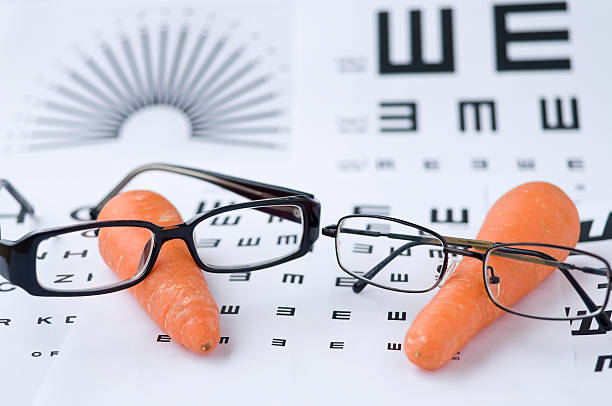
Carrots are often celebrated as a superfood for better eyesight, but is there any truth behind this claim? For years, people have been told, “Eat your carrots to see better.” This popular belief has been passed down through generations, becoming one of the most well-known nutrition myths—or facts—about vision. While carrots do play a role in maintaining healthy eyes, the story is far more complex than simply improving your eyesight overnight. They contain important nutrients that support overall eye function, but they are not a magical cure for blurry vision or the need for glasses.
In this blog, we’ll uncover the truth about carrots, explore the science behind their nutritional value, and take a closer look at how they truly affect your vision and long-term eye health.
The Link Between Carrots and Eyesight
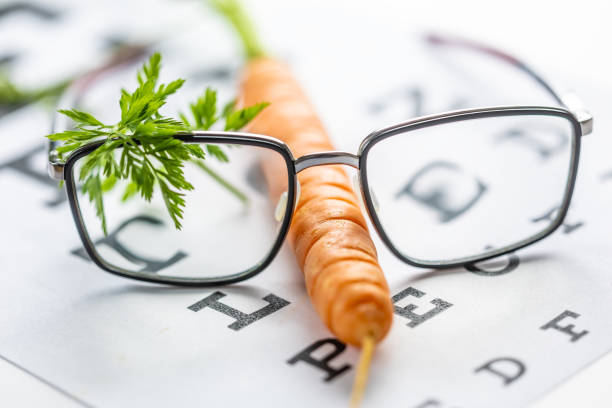
The belief that carrots improve eyesight dates back to World War II. During that time, British pilots were rumored to have exceptionally sharp night vision, and it was widely claimed that their secret was a steady diet of carrots. In reality, this story was partly wartime propaganda created to conceal the use of advanced radar technology. By promoting carrots as the reason for improved night performance, the military was able to protect sensitive information. Still, despite the exaggeration, there is genuine science behind the connection between carrots and eye health.
Carrots are rich in beta-carotene, a powerful antioxidant and a precursor to vitamin A. When you eat carrots, your body converts beta-carotene into retinol, the active form of vitamin A that your eyes need to function properly. Retinol plays a key role in maintaining the surface tissues of the eyes and supports the health of the retina, the light-sensitive layer at the back of the eye responsible for detecting light and sending visual signals to the brain. Without enough vitamin A derived from beta-carotene, the retina cannot function efficiently, especially in low-light conditions.
While eating carrots won’t give you superhuman night vision, they do provide essential nutrients that help maintain healthy eyesight. The historical story may have been amplified, but the nutritional value of carrots in supporting vision is very real.
Why Is Vitamin A Important for Vision?
Vitamin A is crucial for maintaining good eyesight. It plays a central role in keeping different parts of the eye functioning properly and protecting your vision over time. Here’s why it matters so much:
Prevents Night Blindness
A lack of vitamin A can lead to night blindness, a condition that makes it difficult to see in dim light or at night. This happens because the retina depends on vitamin A to produce rhodopsin, a light-sensitive pigment that allows your eyes to adjust when moving from bright to dark environments. Without sufficient vitamin A, your eyes struggle to adapt, making nighttime driving or walking in poorly lit areas more challenging and even unsafe.
Maintains Eye Surface Health
Vitamin A also supports the health of the cornea, the clear outer layer at the front of the eye. It helps keep the surface of the eye moist and nourished by supporting proper tear production. When vitamin A levels are too low, dryness, irritation, and inflammation can occur. In severe cases, prolonged deficiency may even lead to damage of the cornea, increasing the risk of infection and vision problems.
Reduces the Risk of Certain Eye Disorders
Getting enough vitamin A may help lower the risk of certain age-related eye conditions. For example, it plays a supportive role in protecting cells in the eye from oxidative stress, which contributes to disorders such as Age-related macular degeneration and Cataract. While vitamin A alone cannot completely prevent these conditions, maintaining adequate levels as part of a balanced diet can contribute to long-term eye health and help preserve vision as you grow older.
How Many Carrots Do You Need?
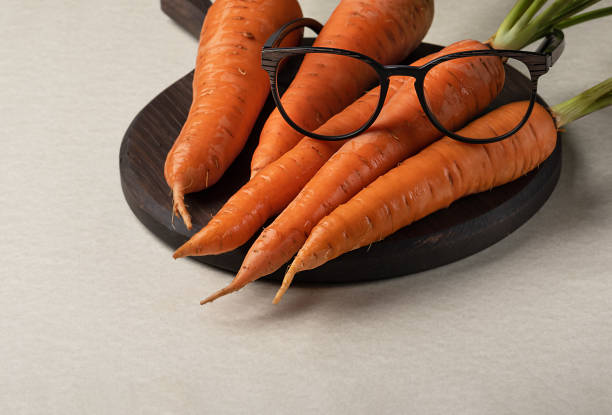
While carrots are an excellent source of vitamin A, they are certainly not the only way to meet your daily nutritional needs. Many other foods—such as leafy green vegetables, sweet potatoes, squash, dairy products, and liver—also provide vitamin A or its precursors. Still, carrots remain one of the most convenient and affordable sources. A medium-sized carrot contains about 509 micrograms of vitamin A (from beta-carotene), which is more than half of the recommended daily intake for most adults. That means eating just one carrot a day can significantly contribute to maintaining healthy vision, supporting immune function, and promoting healthy skin.
Including carrots in your regular diet can be a simple way to give your eyes and overall health a natural boost. However, it’s important to understand that more isn’t always better. Many people wonder if eating extra carrots will dramatically sharpen their eyesight or eliminate the need for glasses. The answer is no. Once your body has sufficient vitamin A to meet its needs, consuming additional amounts will not enhance your vision further. Your body carefully regulates how much vitamin A it uses and stores.
In fact, balance is key. Extremely high intakes of vitamin A from supplements (not from carrots alone) can even be harmful over time. So while carrots are a healthy and beneficial food, they work best as part of a balanced, varied diet rather than as a miracle solution for perfect eyesight.
Other Foods That Benefit Your Eyes
Carrots aren’t the only food that helps with eye health. Here are some other nutrient-packed options:
- Leafy Greens
Spinach, kale, and collard greens are rich in lutein and zeaxanthin, two powerful antioxidants that naturally accumulate in the retina. These nutrients help filter harmful blue light from digital screens and sunlight, reducing oxidative stress that can damage eye cells over time. Regularly eating leafy greens may also help lower the risk of age-related vision problems and support overall retinal health. - Citrus Fruits
Oranges, lemons, and grapefruits are high in vitamin C, an antioxidant that helps protect the eyes from free radical damage. Vitamin C supports the health of blood vessels in the eyes and may reduce the risk of developing cataracts as you age. Including citrus fruits in your daily meals can strengthen your immune system while also contributing to clearer, healthier vision. - Fatty Fish
Salmon, mackerel, and sardines are packed with omega-3 fatty acids, particularly DHA and EPA, which are essential for proper retinal function. Omega-3s help maintain the structure of the retina and may reduce symptoms of dry eye by supporting tear production. Eating fatty fish regularly can be especially beneficial for people who spend long hours in front of screens. - Eggs
Egg yolks contain lutein and zeaxanthin, along with zinc, a mineral that plays a key role in transporting vitamin A from the liver to the retina. Zinc helps maintain the retina’s health and supports night vision. Because these nutrients are found together in eggs, they offer a convenient and highly absorbable combination for eye protection. - Sweet Potatoes
Like carrots, sweet potatoes are loaded with beta-carotene, which the body converts into vitamin A. This makes them another excellent choice for maintaining healthy vision, particularly in low-light conditions. In addition to supporting eye health, sweet potatoes provide fiber and other antioxidants that benefit overall wellness.
Myths About Vision and Nutrition
It’s easy to get caught up in myths about what foods can or cannot do for your eyesight. Here are a few misconceptions:
- Myth: Carrots Can Fix Vision Problems
While carrots support eye health, they won’t correct conditions like nearsightedness or farsightedness. These require corrective lenses or medical treatment. - Myth: Eating More Carrots Improves Night Vision
If you already get enough vitamin A, eating extra carrots won’t make you see better in the dark. - Myth: Diet Alone Can Cure All Eye Problems
A healthy diet is important, but it’s not a substitute for regular eye exams or medical intervention when needed.
How to Include Eye-Healthy Foods in Your Diet
Want to give your eyes some extra love? Here are a few simple meal ideas:
- Carrot Smoothie
Blend carrots with orange juice, a banana, and a handful of spinach for a nutrient-packed drink. - Salmon Salad
Toss mixed greens, cherry tomatoes, and grilled salmon with a lemon vinaigrette for a delicious lunch. - Egg and Veggie Breakfast
Scramble eggs with spinach, mushrooms, and bell peppers for a healthy start to your day. - Sweet Potato Fries
Bake sweet potato wedges with olive oil and a sprinkle of paprika for a tasty side dish.
The Bottom Line
Carrots are a great way to support your eye health, thanks to their high beta-carotene content. However, they are just one piece of the puzzle. A balanced diet rich in various nutrients is essential for maintaining good vision and preventing eye problems.
While carrots won’t give you superhuman eyesight, they’re a delicious and nutritious way to care for your eyes. Pair them with other eye-friendly foods like leafy greens, citrus fruits, and fatty fish to keep your vision sharp.
Remember, regular eye exams are also key to catching and treating issues early. So, enjoy your carrots, but don’t forget to look at the bigger picture when it comes to eye health.