

Blue light surrounds us every single day, often without us even noticing it. It comes not only from natural sunlight but also from the digital devices we constantly use—smartphones, laptops, tablets, televisions, and even energy-efficient LED lighting in our homes and workplaces. In today’s technology-driven world, exposure to blue light has become almost unavoidable. While it helps keep us alert and regulates our sleep-wake cycle during the daytime, prolonged and excessive exposure—especially at night—may have unintended effects on our health.
But have you ever stopped to think about how all this screen time might be affecting your eyes? Research suggests that too much exposure to blue light can contribute to digital eye strain, which may include symptoms such as dry eyes, blurred vision, headaches, and difficulty focusing. Some studies also raise concerns about potential long-term effects on eye health with continuous, unprotected exposure. As our daily routines increasingly revolve around screens for work, school, and entertainment, understanding this impact becomes even more important.
So what exactly is blue light, and why does it matter? How does it interact with your eyes, and what simple steps can you take to reduce possible risks? Let’s take a closer look at what blue light is, how it may affect your vision, and—most importantly—practical ways you can protect your eyes while still enjoying the benefits of modern technology.
What Is Blue Light?
Blue light is part of the visible light spectrum—the range of light that the human eye can see. It has a relatively short wavelength and produces a higher amount of energy compared to other visible light colors. Because of this high energy, blue light plays an important role in keeping us alert, boosting attention, and helping regulate our natural sleep–wake cycle. While blue light naturally comes from the sun and is essential during the daytime, much of our modern exposure now comes from artificial sources such as smartphones, computer monitors, tablets, televisions, and energy-efficient LED and fluorescent lighting.
Unlike other types of visible light, blue light scatters more easily when it enters the eye. This scattering reduces visual contrast and can make it harder for your eyes to focus clearly. As a result, extended periods of screen time may lead to digital eye strain. You might experience symptoms such as eye discomfort, dryness, headaches, or blurry vision after staring at a screen for too long. Over time, frequent exposure without proper breaks or protection can make these symptoms more noticeable, especially for people who spend many hours each day working or studying in front of digital devices.
How Does Blue Light Affect Your Eyes?
1. Digital Eye Strain
Have you ever noticed your eyes feeling tired after staring at a screen for too long? This is known as digital eye strain. Symptoms include dry eyes, headaches, blurry vision, and difficulty focusing. It contributes to this strain by forcing your eyes to work harder to process the high-energy wavelengths.
2. Disruption to Sleep Patterns
It has a powerful effect on your body’s internal clock, also known as your circadian rhythm. It suppresses melatonin production, the hormone responsible for making you feel sleepy. This means spending too much time on your phone or computer before bed can lead to trouble falling asleep and staying asleep.
3. Potential Risk to Eye Health
Some studies suggest that long-term exposure to blue light might harm your retina, the part of your eye responsible for processing light and sending signals to your brain. While more research is needed, there’s concern that excessive exposure could increase the risk of macular degeneration, a condition that leads to vision loss.
Ways to Reduce Blue Light Exposure
Protecting your eyes from blue light doesn’t mean you have to give up screens altogether. Here are some simple strategies to help you manage exposure and keep your eyes healthy.
1. Follow the 20-20-20 Rule
To prevent eye strain, take a break every 20 minutes. Look at something 20 feet away for at least 20 seconds. This gives your eyes a chance to relax and reduces strain from focusing on a close screen for too long.
2. Use Blue Light Filters
Many devices now come with built-in blue light filters. These settings, often called “night mode” or “blue light reduction,” reduce the amount of it emitted from your screen. If your device doesn’t have this feature, you can download apps or purchase screen protectors designed to block blue light.
3. Wear Blue Light Blocking Glasses
Special glasses designed to block blue light are widely available. These can be especially helpful if you spend several hours a day in front of screens. Many styles are affordable, and they can significantly reduce eye discomfort.
4. Adjust Your Lighting
Switch to warm-colored lighting in your home or office, especially during the evening. Avoid sitting in dark rooms with a bright screen, as the contrast can strain your eyes. Instead, use a soft desk lamp to reduce glare and improve visibility.
5. Limit Screen Time Before Bed
To help your body prepare for sleep, try to stop using digital devices at least an hour before bedtime. Instead, consider activities like reading a book or practicing relaxation techniques to wind down.
Foods and Habits That Support Eye Health
Keeping your eyes healthy goes beyond reducing blue light exposure. A balanced diet and good habits can strengthen your eyes and protect them from damage.
1. Eat Eye-Friendly Foods
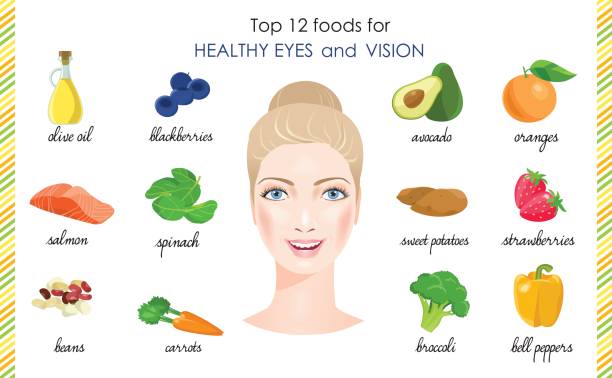
Certain nutrients play a vital role in maintaining eye health. Include these in your diet:
- Vitamin A: Found in foods such as carrots, sweet potatoes, spinach, and other colorful fruits and vegetables, vitamin A plays a vital role in maintaining healthy vision. It helps the retina function properly and is essential for good night vision. A deficiency in vitamin A can lead to dryness of the eyes and difficulty seeing in low-light conditions. Including vitamin A–rich foods in your daily diet supports overall eye health and helps keep your vision sharp.
- Lutein and Zeaxanthin: These powerful antioxidants are commonly found in leafy green vegetables like kale, spinach, and collard greens. They are naturally present in the retina, where they help filter harmful blue light and protect the eyes from oxidative stress. By acting as a natural shield, lutein and zeaxanthin may reduce the risk of long-term eye conditions and support overall visual performance. Regularly eating foods rich in these nutrients can strengthen your eye’s natural defense system.
- Omega-3 Fatty Acids: Found in fatty fish such as salmon, tuna, and sardines, as well as in flaxseeds and walnuts, omega-3 fatty acids are known for their anti-inflammatory benefits. For eye health, they help maintain proper tear production and reduce symptoms of dry eyes, especially for people who spend long hours in front of screens. Adding omega-3–rich foods to your diet can improve eye comfort and support long-term eye wellness.
2. Stay Hydrated
Dry eyes are a common issue for people who spend long hours looking at computer monitors, smartphones, or tablets. When you focus on a screen for extended periods, you tend to blink less often, which reduces the natural spread of tears across the surface of your eyes. This can lead to dryness, irritation, redness, a gritty sensation, or even temporary blurry vision. Over time, frequent screen use without proper eye care can make these symptoms more noticeable and uncomfortable.
Drinking plenty of water throughout the day plays an important role in keeping your body—and your eyes—properly hydrated. Staying well-hydrated supports healthy tear production, which helps keep the eyes moist and reduces dryness and discomfort. In addition to drinking enough water, taking regular screen breaks and consciously blinking more often can further help maintain eye comfort and prevent dry eye symptoms.
3. Get Regular Eye Exams
Visiting an eye doctor regularly is one of the most effective ways to protect your vision and maintain overall eye health. Routine eye exams allow your doctor to detect potential issues early—sometimes even before you notice any symptoms. Conditions such as digital eye strain, early signs of glaucoma, or other vision problems can be managed more effectively when caught in their initial stages.
An eye care professional can also provide personalized guidance for managing blue light exposure. This may include recommending specialized lenses or coatings for your glasses, suggesting appropriate screen settings, or advising on lifestyle changes that reduce strain on your eyes. By keeping up with regular check-ups, you not only protect your vision in the short term but also support the long-term health of your eyes, helping you continue enjoying your screens safely and comfortably.
The Future of Blue Light Research
While concerns about blue light exposure are valid, it’s important to understand that research is still ongoing. Scientists are working to determine how much blue light is too much and whether it poses long-term risks. For now, taking preventive measures is the best way to protect your eyes and maintain healthy vision.
Final Thoughts
Blue light is an unavoidable part of modern life, but its effects on your eyes shouldn’t be ignored. By making small changes to your habits, you can reduce eye strain, improve your sleep, and protect your vision for the future. Follow the tips outlined above, and don’t forget to give your eyes the care they deserve.
By following these strategies, you can enjoy the benefits of technology without putting your eye health at risk. Remember, taking breaks, using blue light filters, and maintaining a healthy lifestyle can go a long way in keeping your eyes comfortable and healthy.