

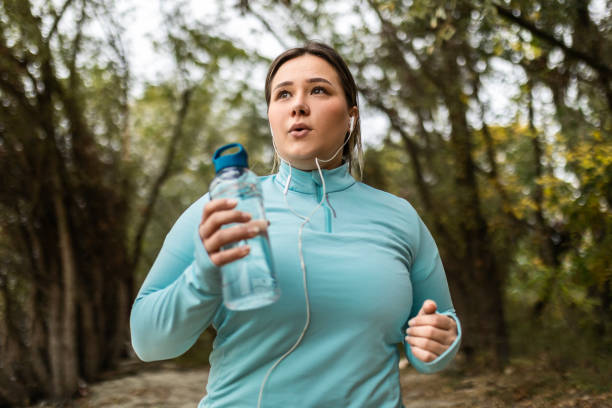
Losing weight isn’t just about eating less or saying no to sweets. Physical activity plays a big role in reaching your goals. Exercise burns calories, builds lean muscle, and helps keep the weight off over time. It also boosts your energy and supports your overall health. Still, one big question remains: how much exercise do you really need to lose weight?
This guide covers everything you need to know about using exercise to lose weight in a healthy, lasting way. You’ll learn how much you should work out, which types of exercise are most effective, and simple tips to help you stay on track.
Why Exercise Matters for Weight Loss
When it comes to losing weight, the basic rule is easy to understand:
Calories in vs. Calories out.
To lose weight, your body must burn more calories than it gets from food. Exercise helps you reach that goal by increasing the number of calories you burn each day. Even simple activities like walking, biking, or dancing can make a difference.
Over time, these movements add up and support your weight loss efforts. When combined with healthy eating, exercise helps you build a stronger body and boosts your energy.
But it does more than just burn calories:
- It boosts your metabolism
- Preserves lean muscle while burning fat
- Improves your energy and mental health
- Lowers stress and emotional eating
In fact, research shows that regular exercise supports long-term weight loss and helps people keep the weight off for good. Staying active not only burns calories but also boosts your metabolism. It helps you maintain muscle, which plays a key role in how your body uses energy. People who exercise regularly are more likely to stick to healthy habits and avoid gaining the weight back.
And it’s not only about losing weight. Exercise also helps you sleep better, keeps your heart strong, and boosts your mood. It lowers stress and helps reduce symptoms of anxiety and depression. Physical activity also improves brain health, focus, and memory. These benefits make it easier to stick with a healthy lifestyle because you feel better both inside and out.
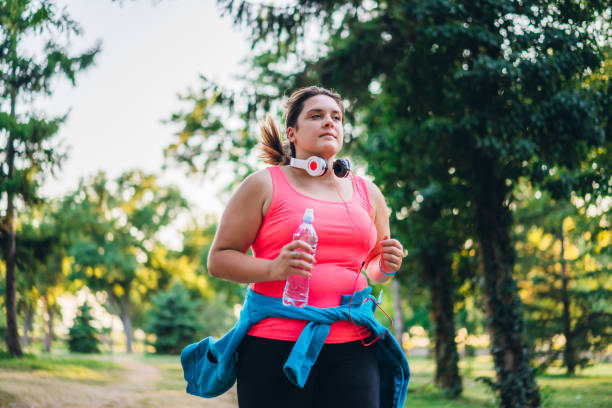
How Much Exercise Do You Need to Lose Weight?
The amount of exercise you need depends on your goal. Are you new to working out? Trying to lose extra weight? Or focusing on keeping the weight off for good?
Let’s break it down:
1. To Start Losing Weight
The U.S. Department of Health and Human Services suggests:
- At least 150 minutes of moderate-intensity aerobic activity per week
- That equals about 30 minutes a day, 5 days a week
Moderate activities include:
- Brisk walking
- Leisure biking
- Mowing the lawn
- Water aerobics
If you’re new to fitness, you can split it into shorter sessions:
- Three 10-minute walks a day
- Two 15-minute dance breaks
What matters most is consistency.
2. To Lose More Weight or Lose It Faster
If your goal is significant weight loss or a quicker pace:
- Aim for 300 minutes of moderate-intensity exercise each week
- Or 150 minutes of vigorous-intensity activity
Vigorous workouts include:
- Running
- Hiking uphill
- HIIT workouts
- Jump rope
- Fast cycling
You can mix moderate and vigorous workouts throughout the week.
For example:
- 3 days of brisk walking (30 minutes)
- 2 days of HIIT (20–30 minutes)
- 1 day of hiking or swimming (45 minutes)
It adds up fast!
3. To Maintain Weight Loss
Once you’ve reached your goal weight, staying active is the key to keeping it off.
Experts recommend:
- 200 to 300 minutes of moderate exercise per week
- That’s around 45 to 60 minutes most days
Regular movement keeps your metabolism active and reduces the risk of regaining pounds [Mayo Clinic].
What Types of Exercise Work Best for Weight Loss?
You don’t have to run marathons to see results. The best workout is one you enjoy and can do regularly. Below are some of the top exercises that can help you lose weight and keep it off:
Cardio (Aerobic Exercise)
Cardio helps burn calories fast. It also strengthens your heart and lungs.
Great cardio options:
- Power walking
- Swimming
- Cycling
- Zumba or dance classes
- Kickboxing
Try to get at least 150 minutes of cardio each week.
Strength Training (Resistance Exercise)
Building muscle helps your body burn more calories—even while resting.
Strength training includes:
- Bodyweight exercises (push-ups, squats, lunges)
- Resistance bands
- Dumbbells or barbells
- Weight machines
Aim for at least 2 to 3 sessions per week, with rest days in between.
HIIT (High-Intensity Interval Training)
HIIT is one of the most efficient ways to burn fat in less time.
How it works:
- Alternate short bursts of intense activity with brief recovery periods
Example HIIT workout (20 minutes):
- 30 seconds of burpees
- 30 seconds rest
- 30 seconds jump squats
- 30 seconds rest
- Repeat for 4 rounds
HIIT also boosts metabolism long after your workout ends.
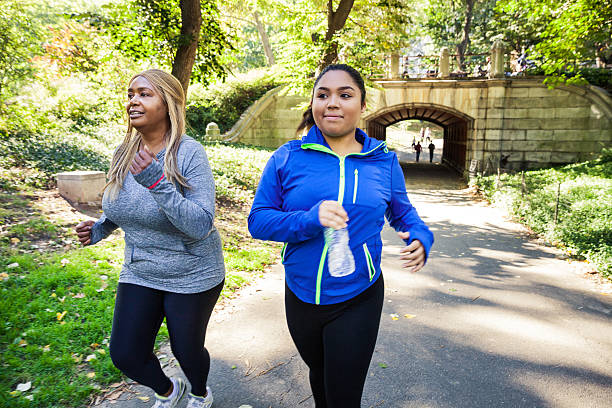
Can You Lose Weight Without Exercise?
Yes, it’s possible to lose weight with diet alone. However, skipping exercise has downsides:
- You may lose muscle instead of fat
- Your metabolism may slow down
- You might struggle with cravings and low energy
Studies show that when you combine regular exercise with a healthy diet, you lose more weight and keep it off longer.
How to Fit Exercise Into a Busy Schedule
Short on time? That’s okay. You don’t need to work out for hours to see progress. Even small steps can lead to big results. Just 10 minutes of movement, a few times a day, adds up. Take the stairs, go for a quick walk, or stretch during a break. These small changes can boost your energy, burn calories, and build a healthy routine over time.
Quick tips for busy people:
- Walk during lunch breaks
- Do squats while brushing your teeth
- Turn chores into workouts (vacuuming, yard work)
- Follow 10-minute YouTube workouts in the morning
- Use a standing or walking desk if possible
Even 5–10 minute sessions throughout the day add up. What matters is moving more and sitting less.
The Role of NEAT (Non-Exercise Activity Thermogenesis)
NEAT stands for the calories you burn from daily activities—like walking your dog, cleaning the house, or even tapping your foot. These movements may seem small, but they add up over time. NEAT plays a big role in your total daily calorie burn, especially if you’re not doing formal workouts. Simple tasks like gardening, taking the stairs, or playing with your kids help keep your body active and support your weight loss goals.
Ways to increase NEAT:
- Stand instead of sit when possible
- Take walking phone calls
- Use stairs instead of elevators
- Garden or do light yard work
- Clean the house to music
NEAT helps you burn more calories each day—even without doing a formal workout.
Importance of Rest and Recovery
Exercise is only one part of the picture. Rest is just as important. Your body needs time to recover after physical activity. Rest helps your muscles heal and grow stronger. Without enough rest, you may feel tired, sore, or even get hurt.
Getting good sleep also supports weight loss, boosts your mood, and keeps your energy levels up. Balance between movement and rest is key to a healthy lifestyle.
Why recovery matters:
- Prevents injury and overtraining
- Allows muscles to rebuild and grow
- Reduces fatigue and improves performance
Include at least 1 to 2 rest days per week.
Active recovery ideas:
- Gentle stretching
- Easy walks
- Foam rolling
- Restorative yoga
If your body feels tired or sore, listen and take a break.

Tips to Stay Motivated
Sticking with exercise long-term can be hard. But the right strategies can help you stay on track. Start by setting small, realistic goals. Choose activities you enjoy, so working out feels fun—not like a chore.
Make a schedule and treat exercise like an important appointment. Tracking your progress can keep you motivated. And don’t forget to celebrate your wins, no matter how small. These steps make it easier to build a habit that lasts.
Stay consistent with these tips:
- Schedule workouts like appointments
- Find a workout buddy
- Track your progress in a journal or app
- Reward yourself for milestones
- Try new classes or workout styles
- Set mini goals (like 10,000 steps a day)
Also, celebrate non-scale victories: better sleep, clearer skin, stronger arms, or more confidence.
Track Your Progress
Tracking your journey keeps you focused and inspired. Writing down your workouts, meals, and progress helps you see how far you’ve come. It shows what’s working and what needs to change. You can use a journal, an app, or simple notes on your phone. Seeing results—even small ones—can boost your confidence and keep you going. It’s a great way to stay motivated and stick to your goals.
Ways to track weight loss:
- Weekly weigh-ins (not daily)
- Measure your waist, hips, and arms
- Take progress photos monthly
- Use a fitness app like MyFitnessPal or Fitbit
- Log how workouts make you feel
Over time, you’ll see changes in your body, your energy, and your mindset.
When to Talk to a Doctor
Before starting a new workout plan, it’s smart to talk to your doctor—especially if you:
- Have a chronic health condition
- Are over 40 and inactive
- Experience dizziness or chest pain during activity
Your doctor can help you create a safe and effective plan that suits your body and goals.
Final Thoughts: You Don’t Have to Be Perfect
You don’t need to work out for hours every day or have a “perfect” routine. Just get started. Be patient. Keep going. Even small steps can lead to big changes over time. What matters most is staying consistent. Some days will be easier than others, and that’s okay. Progress takes time, but every workout brings you closer to your goal. Keep showing up, and you’ll see results.
Even a few extra steps a day matter. Over time, these small choices lead to big changes. Taking the stairs instead of the elevator, parking farther from the store, or walking during phone calls all add up. These tiny actions help you burn more calories and build healthy habits. They may not seem like much at first, but they make a real difference when done daily.
It’s not about being perfect. It’s about being consistent.
Your journey is your own. You’ve got this!