

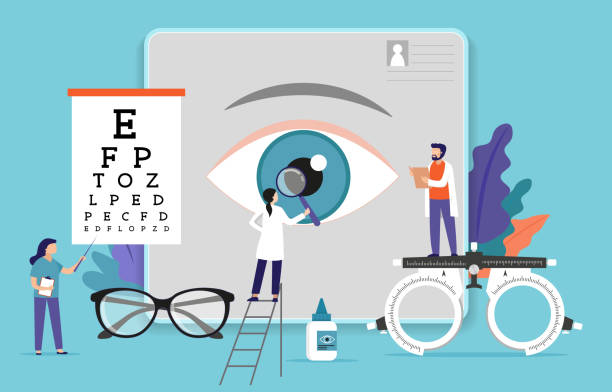
As you age, caring for your eyes becomes even more important than ever. Our vision naturally changes over time, and age-related eye conditions such as cataracts, glaucoma, and macular degeneration can become more common. However, there are many steps you can take to protect your eyesight and reduce the risk of these issues. By making small, consistent changes to your daily routine and staying informed about eye health, you can maintain clear vision and enjoy a better quality of life.
In this blog post, we’ll share practical, easy-to-follow tips that can help you keep your eyes healthy and strong for years to come.
Why Eye Health Matters
Your eyes are your connection to the world around you. They allow you to stay engaged with loved ones, enjoy your favorite activities, and live independently. But as you grow older, you may notice changes such as blurry vision, dryness, or even more serious issues like cataracts and macular degeneration. Although these conditions are common with aging, taking a proactive approach to eye care can greatly help preserve your vision and overall quality of life.
1. Schedule Regular Eye Exams
Seeing your eye doctor on a regular basis is one of the best ways to safeguard your vision. A comprehensive eye exam can detect potential issues early—often before any noticeable symptoms appear. During the checkup, your doctor may screen for conditions such as:
- Cataracts: A clouding of the eye’s natural lens that can cause blurry or dim vision.
- Glaucoma: Increased pressure inside the eye that may damage the optic nerve over time.
- Macular Degeneration: A disorder that affects the central part of the retina, impacting sharp, detailed vision.
Tip: Adults over 60 should aim for an eye exam every year, or more often if recommended by their doctor.
2. Eat a Nutrient-Rich Diet
Your diet has a significant impact on your eye health. Certain vitamins and nutrients help protect your eyes and support proper vision. Adding the following foods to your meals can make a difference:
- Leafy Greens: Spinach, kale, and collard greens are high in lutein and zeaxanthin—antioxidants that help maintain healthy vision.
- Fatty Fish: Salmon, tuna, and mackerel contain omega-3 fatty acids, which may help reduce the risk of dry eye syndrome.
- Citrus Fruits: Oranges, grapefruits, and lemons are excellent sources of vitamin C, a powerful antioxidant that supports eye health.
- Nuts and Seeds: Almonds and sunflower seeds provide vitamin E, which helps protect eye cells from damage.
Quick Recipe Idea: Toss kale, carrots, and walnuts in olive oil for a vision-friendly salad packed with nutrients.
3. Protect Your Eyes From UV Light
Long-term exposure to the sun’s ultraviolet (UV) rays can harm your eyes and increase the risk of conditions such as cataracts and macular degeneration. To better protect your vision:
- Wear Sunglasses: Select sunglasses that offer 100% UVA and UVB protection to block harmful rays.
- Add a Hat: A wide-brimmed hat can provide additional shade and reduce direct sunlight reaching your eyes.
- Limit Sun Exposure: Try to avoid staying in direct sunlight during peak hours, usually between 10 a.m. and 4 p.m.
Tip: Even on cloudy days, UV rays can reach your eyes, so wear sunglasses year-round.
4. Take Breaks From Screens

Digital devices such as phones, tablets, and computers are essential in daily life, but prolonged screen time can strain your eyes. This may result in headaches, dry eyes, or blurred vision—symptoms commonly referred to as digital eye strain.
To help reduce discomfort:
- Follow the 20-20-20 Rule: Every 20 minutes, shift your focus to something about 20 feet away for at least 20 seconds.
- Blink Often: Make a conscious effort to blink more often to keep your eyes properly lubricated.
- Adjust Your Screen Settings: Minimize glare by using anti-reflective screen protectors and adjusting the brightness so it matches the lighting in your environment.
Bonus Tip: Position your screen so it’s slightly below eye level to reduce strain.
5. Maintain a Healthy Lifestyle
Your overall health has a strong influence on your eye health. Caring for your body can go a long way in preserving clear vision. Here are a few important steps:
- Stay Active: Regular physical activity boosts blood circulation, helping deliver oxygen and nutrients to your eyes.
- Control Chronic Conditions: Conditions such as high blood pressure, diabetes, and high cholesterol can harm the tiny blood vessels in your eyes, so it’s important to keep them under control with your doctor’s guidance.
- Quit Smoking: Smoking raises the risk of cataracts, macular degeneration, and damage to the optic nerve, making it important to stop for the sake of your vision and overall health.
Did You Know? Smokers are four times more likely to develop macular degeneration compared to non-smokers.
6. Stay Hydrated

Dry eyes often become more common with age. Staying well-hydrated by drinking enough water can help keep your eyes moist and more comfortable throughout the day. Try to drink at least eight glasses of water daily, and if dryness persists, using artificial tears may provide additional relief and support.
Tip: If your home feels dry, try a humidifier to add moisture to the air.
7. Use Proper Lighting
Proper lighting helps minimize eye strain and makes everyday tasks more comfortable. When reading or working, choose bright, evenly distributed light. To reduce glare, position your light source so it shines from behind or over your shoulder instead of directly into your eyes.
Bonus Tip: Task lighting, such as desk lamps, can help you focus on detailed work like sewing or writing.
8. Wear Protective Eyewear
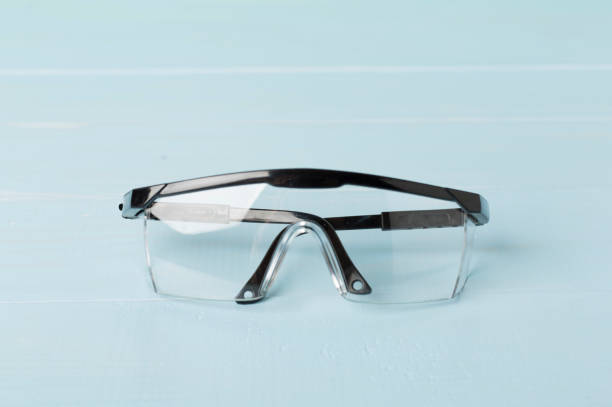
If you enjoy DIY projects, gardening, or playing sports, wearing protective eyewear is important to help prevent eye injuries. Choose safety glasses that meet the ANSI Z87.1 impact resistance standard set by the American National Standards Institute to ensure reliable protection.
Tip: Protective eyewear isn’t just for work—it’s essential for hobbies too.
9. Monitor Vision Changes
Be mindful of any noticeable changes in your vision, including:
- Sudden blurriness or cloudy sight
- Flashes of light or an increase in floaters
- Trouble seeing clearly at night
These symptoms may indicate a more serious eye condition. If you experience anything unusual, contact your eye doctor right away for proper evaluation and care.
10. Get Plenty of Sleep
Getting enough rest is essential for maintaining healthy eyes. Sleep allows your eyes to recover from the strain of daily activities and stay refreshed. Aim for 7–9 hours of quality sleep each night to support optimal eye health.
Tip: If you wake up with dry or irritated eyes, consider using a warm compress before bed.
Final Thoughts
Your eyes deserve careful attention, particularly as you get older. By incorporating these tips into your routine, you can lower your risk of eye problems and enjoy clear, healthy vision for years to come. Be sure to visit your eye doctor regularly, maintain a nutritious diet, and protect your eyes from harmful factors like UV rays and prolonged screen use.
Your vision is a precious gift—start taking steps today to keep it strong and healthy!