

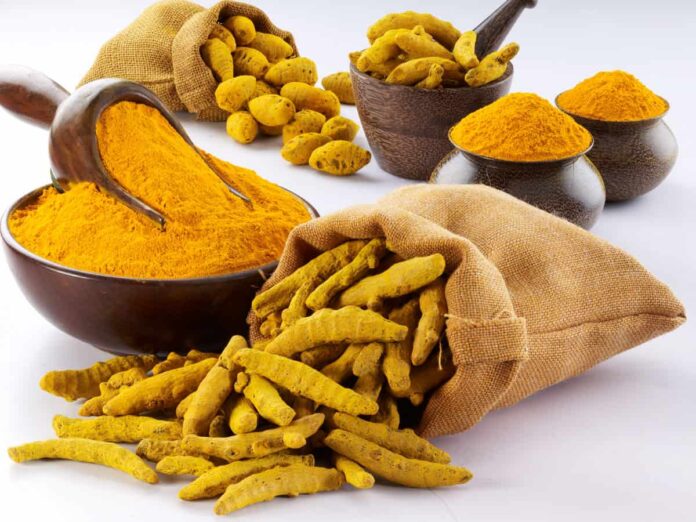
Turmeric, the striking golden-yellow spice often featured in curries and a variety of other dishes, is celebrated not only for its rich, earthy flavor but also for its remarkable health-promoting properties. At the heart of turmeric’s benefits is curcumin, a powerful active compound that has been the focus of extensive research for its ability to support overall health—and particularly eye health. Studies suggest that curcumin helps combat inflammation and oxidative stress, two major factors that can contribute to vision problems as we age, including conditions like cataracts and macular degeneration.
In this article, we’ll dive deeper into the ways turmeric and curcumin can protect and enhance your eye health. You’ll learn about the science behind their protective effects, practical tips for adding them to your daily routine, and how these natural ingredients can be a simple yet effective addition to your strategy for maintaining clear, healthy vision for years to come.
What Is Turmeric and Curcumin?
Turmeric is derived from the root of a plant that thrives in South Asia and has been used for thousands of years in traditional medicine, particularly in countries like India and China. Valued for both its culinary and medicinal uses, turmeric owes much of its health-boosting reputation to its main active compound, curcumin, which gives the spice its distinctive golden-yellow color. Curcumin is celebrated for its potent antioxidant and anti-inflammatory properties, making it a powerful natural tool for supporting overall health, including eye health.
Although curcumin makes up only about 5% of turmeric by weight, it plays a crucial role in protecting the body against damage caused by free radicals. Free radicals are unstable molecules that can harm healthy cells, including the delicate cells in the eyes. Over time, this cellular damage can contribute to vision problems and age-related conditions such as cataracts and macular degeneration (AMD). By incorporating turmeric or concentrated curcumin into your diet, you can help reduce oxidative stress, support healthy eyes, and promote long-term well-being.
1. Protecting Your Eyes From Oxidative Stress
Our eyes are constantly exposed to light, including sunlight and artificial sources, which can trigger the formation of harmful free radicals. Over time, these unstable molecules can accumulate and damage delicate eye tissues, contributing to vision problems and age-related conditions such as cataracts and macular degeneration. Curcumin, a powerful antioxidant found in turmeric, works to neutralize these free radicals, protecting the cells in your eyes from oxidative stress and minimizing potential damage.
Oxidative stress is considered one of the main drivers of eye diseases, and curcumin’s ability to combat it makes this compound a valuable ally for maintaining long-term eye health. By reducing oxidative damage, curcumin may help slow the progression of age-related eye conditions, support healthy retinal function, and preserve clear, vibrant vision as you get older. Incorporating curcumin into your diet or supplement routine can therefore be a proactive step toward keeping your eyes healthier for years to come.
2. Reducing Inflammation in the Eyes

Chronic inflammation in the eyes can lead to a wide range of issues, from mild discomfort like dry eyes to more serious conditions such as uveitis, which is the inflammation of the eye’s middle layer, and even glaucoma. Inflammation is often a key underlying factor in many eye problems, and managing it is essential for maintaining healthy vision. Curcumin, the active compound in turmeric, is widely recognized for its powerful anti-inflammatory properties, making it a valuable natural tool for protecting eye health.
By reducing inflammation, curcumin helps soothe and support the delicate tissues of the eyes, potentially preventing long-term damage and improving overall eye comfort. For individuals dealing with chronic eye conditions such as dry eye syndrome, uveitis, or inflammation-related discomfort, curcumin may offer relief, reduce irritation, and support better visual function. Regular inclusion of curcumin in the diet—or through high-quality supplements—can be a proactive step in promoting healthier, more resilient eyes and enhancing quality of life.
3. Supporting Healthy Vision as You Age
Age-related macular degeneration (AMD) is a major cause of vision loss among older adults, affecting the central portion of the retina known as the macula. The macula is essential for tasks that require sharp, detailed vision, such as reading, driving, and recognizing faces. AMD gradually impairs this central vision, making daily activities more challenging. Curcumin, the active compound in turmeric, may help prevent or slow the progression of AMD thanks to its potent antioxidant and anti-inflammatory properties.
Studies suggest that curcumin can help reduce the accumulation of harmful proteins in the retina, which are thought to contribute to the development and progression of AMD. In addition, by reducing inflammation, curcumin may help protect retinal cells from long-term damage caused by oxidative stress. Regularly including curcumin in your diet or through high-quality supplements could provide a natural, supportive strategy for maintaining retinal health and preserving central vision as you age.
4. Improving Blood Flow to the Eyes
Good circulation is essential for maintaining healthy eyes and supporting overall vision. Proper blood flow delivers the oxygen and vital nutrients the eyes need to function optimally, helping to keep the delicate tissues of the retina and other structures healthy. Curcumin, the active compound in turmeric, may support eye health by improving blood flow through its positive effects on the endothelium—the thin lining of the blood vessels. A well-functioning endothelium helps blood vessels relax and carry nutrients more efficiently, which can have a direct impact on eye health.
Enhanced circulation allows the eyes to receive more oxygen and essential nutrients, keeping them better protected against oxidative stress and cellular damage. This benefit is particularly significant for individuals with conditions like diabetic retinopathy, where poor blood flow can lead to vision problems and retinal damage. By supporting healthy circulation, curcumin may help maintain optimal eye function, reduce the risk of vision-related complications, and promote overall long-term eye wellness.
5. Turmeric for Glaucoma Prevention
Glaucoma is a group of eye conditions that can gradually damage the optic nerve, potentially leading to irreversible vision loss if left untreated. One of the most common risk factors for glaucoma is elevated intraocular pressure (IOP), which refers to increased pressure within the eye that can strain and harm the optic nerve over time. Emerging research suggests that curcumin, the active compound in turmeric, may help lower IOP, potentially reducing the risk of developing glaucoma or supporting its management alongside conventional treatments.
Although further studies are needed to fully understand its effects, early findings indicate that curcumin’s powerful anti-inflammatory and antioxidant properties may help protect the optic nerve from the stress and damage caused by high intraocular pressure. By neutralizing free radicals and reducing inflammation in ocular tissues, curcumin could provide an additional layer of defense for long-term eye health, helping to preserve vision and maintain optic nerve function.

How to Use Turmeric for Eye Health
There are several simple and delicious ways to include turmeric in your diet to support your eyes and overall well-being. Here are some practical ideas:
- Golden Milk: One of the most popular methods is drinking “golden milk.” This warm, soothing beverage blends turmeric with milk or a dairy-free alternative, and adding a pinch of black pepper helps your body absorb curcumin more effectively. You can enjoy it in the morning or as a relaxing evening drink.
- Turmeric Supplements: For those seeking a more concentrated dose of curcumin, high-quality turmeric supplements are widely available in capsules, tablets, or soft gels. Look for products that include black pepper extract (piperine), which significantly boosts absorption, ensuring you get the maximum benefit for your eye health.
- Turmeric Tea: Another tasty option is turmeric tea. Simply boil water with turmeric powder, and enhance the flavor with a splash of lemon or a teaspoon of honey. This aromatic drink can be enjoyed hot or iced.
- Spices in Cooking: Turmeric is a versatile spice in the kitchen, especially in curries, stews, rice dishes, and even roasted vegetables. Incorporating it into your regular meals not only adds a vibrant color and rich flavor but also allows you to reap its health benefits over time.
By exploring these options, you can make turmeric a natural part of your daily routine, giving your eyes—and your body—a nutritional boost every day.
Turmeric vs. Curcumin for Eye Health

It’s important to understand the difference between turmeric and curcumin, as the two terms are often used interchangeably but are not the same. Turmeric is the bright yellow spice commonly used in cooking, and it naturally contains curcumin, the compound responsible for most of its impressive health benefits. Curcumin is the “active ingredient” that provides powerful antioxidant and anti-inflammatory effects, which can help support eye health and overall wellness.
For those looking to maximize the benefits for their eyes, curcumin supplements are often recommended. These supplements provide a concentrated dose of the active compound, far higher than what you would typically get from using turmeric as a spice in your meals. While adding turmeric to your cooking can still contribute to overall health, relying solely on culinary use may not deliver the same level of curcumin needed for significant protective effects on your eyes.
Conclusion
Turmeric and its active compound, curcumin, are potent natural ingredients known for their ability to support eye health and protect against common vision-related conditions such as macular degeneration, glaucoma, and the damaging effects of oxidative stress. Thanks to its strong antioxidant and anti-inflammatory properties, curcumin helps combat cellular damage in the eyes, making it a valuable addition to your diet—especially as you age and your risk for eye conditions increases.
Incorporating turmeric into your meals or taking high-quality curcumin supplements can be a simple and natural strategy to promote long-term eye wellness. Golden milk, turmeric tea, curries, and supplements are all effective ways to include this powerful compound in your routine. However, it’s important to consult with a healthcare professional before starting any supplement, particularly if you are on medication or have existing health concerns. By combining curcumin with a healthy lifestyle and regular eye care, you can help maintain clear vision, reduce the risk of age-related eye issues, and enjoy the beauty of healthy eyesight for years to come.