

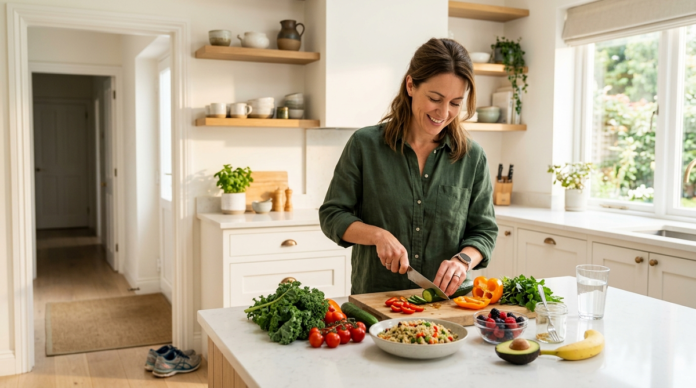
Making healthy choices sounds simple. Eat better. Move more. Sleep well. Drink more water. Manage stress.
Yet, knowing what to do and actually doing it every day are two different things.
Busy schedules, work, family duties, cravings, stress, and convenience can all get in the way. When unhealthy options are easier to reach, it is easy to fall back into old habits.
The good news is that you do not need perfect willpower to live a healthier life. You can make healthy choices easier by changing your daily routine and your surroundings.
Small changes can reduce the effort needed to make good decisions. Over time, these small steps can become normal parts of your day.
The goal is not to create a perfect lifestyle. The goal is to build a lifestyle that makes healthy choices feel simple, realistic, and repeatable.
Why Healthy Choices Can Feel So Hard
Modern life is built around convenience. Fast food is easy to order. Snacks are often within reach. Many jobs require long periods of sitting. Busy days can also make cooking, exercising, and getting enough sleep feel like extra work.
This does not mean you lack discipline.
Your environment has a major effect on your choices. If healthy food is hard to find but sugary snacks are always nearby, the easier option often wins.
The same idea applies to exercise. If your walking shoes are hidden in a closet, you may forget to exercise. If they are beside the door, going for a walk becomes easier.
The CDC recommends healthy eating, physical activity, enough sleep, and stress management as important parts of a healthy lifestyle.
So instead of asking, “How can I have more willpower?”, try asking:
“How can I make the healthy choice the easy choice?”
That simple change in thinking can make healthy habits much easier to maintain.
If you’re looking for more practical ways to build simple routines, check out our guide to 10 Simple Healthy Habits to Practice Every Day.
1. Start With One Small Healthy Habit
One of the biggest mistakes people make is trying to change everything at once.
You may decide to:
- Exercise every day
- Stop eating sugar
- Cook every meal
- Drink only water
- Sleep eight hours
- Lose weight
- Meditate every morning
That sounds great, but it can quickly become overwhelming.
Instead, choose one small habit.
For example, you could start with:
- Drinking a glass of water after waking up
- Eating one serving of vegetables with lunch
- Walking for 10 minutes after dinner
- Going to bed 15 minutes earlier
- Replacing one sugary drink with water
A small habit is easier to repeat.
The CDC recommends making clear and specific plans when building new habits. Tracking your progress and recognizing your success can also help you stay consistent.
Make Your Goal Specific
Do not simply say, “I will eat healthier.”
Try:
“I will add fruit to my breakfast every weekday.”
Instead of:
“I need to exercise more.”
Try:
“I will walk for 15 minutes after dinner on Monday, Wednesday, and Friday.”
Specific goals tell you exactly what to do.
2. Make Healthy Food Easy to See and Reach
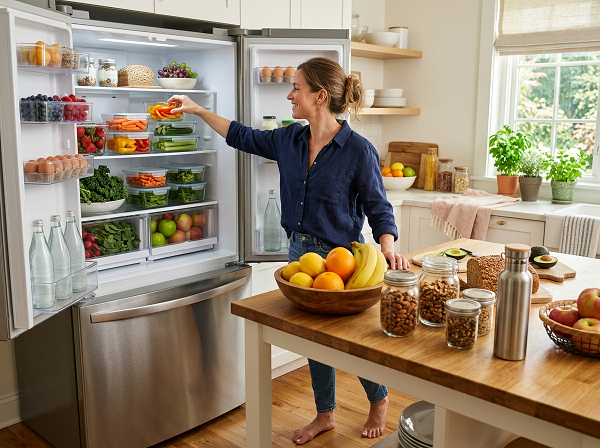
Your kitchen can influence your food choices.
If healthy foods are hidden away, you may forget about them. If less healthy snacks are sitting on the counter, they may be hard to resist.
Try changing what you see first.
Place foods such as these where they are easy to reach:
- Fresh fruit
- Washed vegetables
- Yogurt with little or no added sugar
- Nuts and seeds
- Whole-grain foods
- Eggs
- Beans
- Pre-cut vegetables
- Water
You can also prepare healthy snacks ahead of time.
For example, wash fruit when you get home from the store. Cut vegetables and place them in containers. Keep water ready in the refrigerator.
The CDC suggests planning meals at home and choosing foods such as vegetables, fruits, protein foods, whole grains, and healthy fats.
Use the “Ready to Eat” Rule
A simple rule is:
Make healthy food ready before you are hungry.
When you are tired and hungry, you are more likely to choose whatever requires the least effort.
Prepared healthy food removes that problem.
3. Plan Your Meals Before Hunger Takes Over
Meal planning does not need to mean preparing seven complicated meals every Sunday.
It can be as simple as deciding what you will eat for your next few meals.
For example:
Breakfast: Eggs, whole-grain toast, and fruit
Lunch: Chicken, vegetables, and rice
Snack: Fruit and yogurt
Dinner: Fish, vegetables, and potatoes
Planning reduces the number of decisions you need to make during a busy day.
It can also reduce last-minute takeout and drive-through meals.
Keep a List of Easy Healthy Meals
Create a short list of meals your family enjoys.
Your list might include:
- Vegetable omelet
- Chicken and vegetable rice bowl
- Tuna and bean salad
- Grilled fish with vegetables
- Oatmeal with fruit and nuts
- Whole-grain sandwich with vegetables
- Vegetable soup with beans
You do not need a new recipe every day.
Repeating simple meals can make healthy eating much easier.
4. Make Water the Easy Drink
What you drink can have a big effect on your daily diet.
Sugary drinks can add a lot of calories without making you feel full for long. The CDC notes that replacing sugary drinks with plain water can help reduce calorie intake.
Make water easier to choose by keeping it nearby.
Try:
- Carrying a reusable water bottle
- Keeping cold water in the refrigerator
- Adding lemon or lime for flavor
- Drinking water with meals
- Keeping water beside your desk
You do not need to make every drink decision perfect.
Start by replacing one sugary drink each day with water.
Then build from there.
5. Add Movement to Your Normal Day

Exercise does not always have to mean a long gym session.
Movement can happen throughout your day.
You can:
- Walk while talking on the phone
- Take the stairs when practical
- Stretch during work breaks
- Walk around your home
- Do bodyweight exercises
- Garden
- Dance to music
- Take a short walk after meals
- Play active games with your family
Regular physical activity has both immediate and long-term health benefits. It can support better sleep, brain health, physical function, and overall health.
Make Exercise Visible
Keep your walking shoes near the door.
Place your exercise mat somewhere you can see it.
Keep resistance bands or light exercise equipment where they are easy to reach.
The goal is to remove small barriers.
If you need to spend 10 minutes looking for your equipment, you have already created another reason to skip the workout.
6. Use Short Workouts When You Are Busy
You do not need to wait for a free hour.
A 10-minute workout can be a useful way to add movement to your day.
For example:
2 minutes: March in place
2 minutes: Bodyweight squats
2 minutes: Wall push-ups
2 minutes: Step-ups or brisk walking
2 minutes: Gentle stretching
You can repeat this at another time if your schedule allows.
The CDC notes that adults who sit less and do any amount of moderate-to-vigorous physical activity can gain health benefits.
Consistency matters more than making every workout perfect.
7. Build a Better Evening Routine
Your evening habits can affect how you feel the next day.
A late night may leave you tired. When you are tired, healthy choices can feel harder.
Create a simple evening routine.
For example:
- Finish dinner.
- Take a short walk.
- Prepare tomorrow’s breakfast.
- Fill your water bottle.
- Put away screens.
- Relax with a book or quiet activity.
- Go to bed at a regular time.
Getting enough sleep is an important part of overall health. The CDC includes optimal sleep and stress reduction alongside healthy eating and physical activity as key parts of healthy living.
Prepare Tomorrow Tonight

One of the easiest ways to make tomorrow healthier is to prepare for it tonight.
Put your exercise clothes out.
Prepare breakfast.
Pack lunch.
Fill your water bottle.
Write down your top priorities.
These small steps reduce the number of decisions you need to make in the morning.
8. Make Healthy Choices Convenient at Work
Work can make healthy habits difficult.
Long meetings, deadlines, sitting, and easy access to snacks can all affect your routine.
You can create simple solutions.
Keep healthy snacks at your desk or in your bag.
Good options may include:
- Fruit
- Unsalted nuts
- Yogurt
- Whole-grain crackers
- Roasted beans
- Vegetable sticks
You can also schedule short movement breaks.
Set a reminder to stand up every hour. Walk to another room. Stretch for a few minutes.
These actions may seem small, but they help break up long periods of sitting.
9. Do Not Rely on Motivation
Motivation comes and goes.
Some mornings you may feel excited about exercise. Other days, you may want to stay in bed.
That is normal.
Healthy habits become easier when they depend less on motivation.
Create routines that tell you what to do.
For example:
After I brush my teeth → I drink water.
After lunch → I walk for 10 minutes.
Before bed → I prepare tomorrow’s breakfast.
These simple connections can turn healthy actions into automatic parts of your day.
10. Make the Unhealthy Choice Slightly Harder
You do not need to remove every treat from your life.
Instead, add a little friction.
For example:
- Do not keep candy beside your computer.
- Store snacks in a cabinet instead of on the counter.
- Avoid shopping when you are very hungry.
- Do not keep sugary drinks in large quantities at home.
- Unsubscribe from food delivery promotions that tempt you.
- Keep healthier foods at eye level.
This does not mean banning your favorite foods.
It means creating an environment where healthier choices are easier to make most of the time.
11. Practice the 80/20 Mindset
Healthy living does not require perfection.
You can enjoy a birthday meal, dessert, restaurant dinner, or favorite snack.
The problem is not one meal.
The problem is believing that one less-than-perfect choice means the entire day is ruined.
If you eat something less healthy, simply return to your normal routine at the next meal.
Think:
“That was one choice. My next choice can still be healthy.”
This mindset helps prevent the all-or-nothing cycle.
12. Make Healthy Choices a Family Activity
Healthy habits are easier when you do not have to do everything alone.
Invite your family to participate.
You can:
- Cook dinner together
- Take evening walks
- Shop for fruits and vegetables together
- Try a new healthy recipe
- Play outside
- Keep healthy snacks available for everyone
Children and adults can benefit from routines that support healthy eating, physical activity, and sleep.
Making healthy living a family habit can also make it more enjoyable.
13. Keep Healthy Choices Affordable
Healthy eating does not have to be expensive.
You can build nutritious meals around affordable foods.
Consider:
- Beans
- Lentils
- Eggs
- Oats
- Rice
- Potatoes
- Seasonal fruits
- Seasonal vegetables
- Frozen vegetables
- Canned fish
- Whole grains
Frozen and canned fruits and vegetables can also be useful choices when they contain little or no added sugar and, for canned vegetables, lower amounts of sodium.
Buy foods you know you will actually eat.
A cheap healthy food that gets thrown away is not a good deal.
14. Create a Simple Healthy Choice Checklist
You do not need a complicated health tracker.
At the end of each day, ask yourself:
- Did I eat some vegetables or fruit?
- Did I drink enough water?
- Did I move my body?
- Did I get enough rest?
- Did I make time to relax?
- Did I make one choice that supported my health?
You do not need to answer “yes” to everything.
The goal is awareness.
Tracking can help you see what works and where you need support. The CDC also recommends tracking progress as one tool for building new habits.
15. Focus on Progress, Not Perfection
Healthy living is not a competition.
You may have a great week and then have a stressful day.
You may exercise for several days and then miss a workout.
You may eat well all day and then enjoy dessert at night.
That is life.
What matters is what you do most of the time.
Instead of asking:
“Did I do everything right?”
Ask:
“What is one healthy choice I can make next?”
That question keeps you moving forward.
A Simple Daily Plan for Healthier Choices
If you want to start today, keep it simple.
Morning
- Drink water.
- Eat a balanced breakfast.
- Get a little movement.
- Decide what you will eat later.
Afternoon
- Choose a balanced lunch.
- Drink water.
- Take a short movement break.
- Choose a nutritious snack if you are hungry.
Evening
- Eat a balanced dinner.
- Take a short walk.
- Prepare something for tomorrow.
- Reduce screen time before bed.
- Aim for a consistent sleep schedule.
You do not have to follow this plan perfectly.
Use it as a starting point.
The Biggest Secret: Reduce the Number of Decisions
Every day brings hundreds of choices.
What should I eat?
Should I exercise?
Should I drink water?
Should I order takeout?
Should I go to bed?
You can make healthy living easier by deciding some things in advance.
Create a weekly grocery list.
Choose a few simple breakfasts.
Plan several easy dinners.
Set regular exercise times.
Keep healthy snacks ready.
Create a bedtime routine.
The fewer decisions you need to make when you are tired or busy, the easier it becomes to follow your healthy habits.
When to Ask for Professional Help
Healthy lifestyle advice can work well for many people, but individual needs can vary.
Medical conditions, medications, age, injuries, pregnancy, and other factors can affect diet and exercise needs.
If you have a health condition or are unsure about major changes to your diet or exercise routine, talk with a qualified health professional.
The CDC also recommends speaking with a health care provider when health conditions or medications may affect weight or health goals.
Your Healthier Life Starts With One Easy Choice
You do not need to change your entire life today.
Start by making one healthy choice easier.
Put fruit where you can see it.
Fill your water bottle.
Take a 10-minute walk.
Prepare tomorrow’s breakfast.
Go to bed a little earlier.
Then repeat it.
Healthy living is built through small actions that become part of your normal routine. The best plan is not the one that looks perfect on paper. It is the one you can actually follow on busy days, stressful days, and ordinary days.
The CDC emphasizes that healthy eating, regular physical activity, sleep, and stress management all play important roles in long-term health.
Final Takeaway
Make healthy choices easier, not harder.
Change your environment. Prepare ahead. Start small. Build simple routines. Give yourself room to enjoy life.
You do not need perfect habits to make progress.
You just need to make your next choice a little healthier.
What is one healthy choice you can make easier today? Share your idea in the comments and inspire someone else to take the first step.