

Introduction
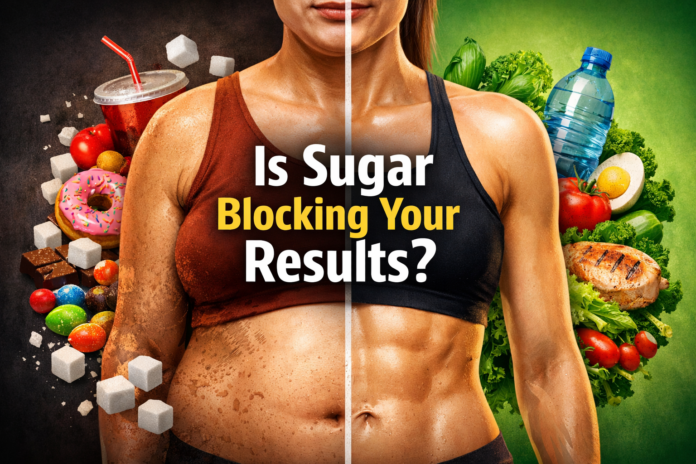
Sugar is everywhere. It’s in soda, candy, baked goods, and even foods that seem healthy. You can find it in breakfast cereal, flavored coffee, protein bars, yogurt, and even salad dressing. Many people eat large amounts of sugar each day without knowing it. That’s because added sugar hides in packaged and processed foods under many different names.
But too much sugar can make it harder to lose fat and feel good. It can raise your blood sugar fast, increase cravings, and lead to energy crashes. Over time, it may also affect your hormones and how your body stores fat. This can slow your progress, even if you are exercising and trying to eat better.
In this post, you will learn how sugar affects your body, why it slows fat loss, and how to reduce it in your life. You will also discover simple tips to cut back without feeling deprived. If you want better energy, fewer cravings, and faster results, understanding sugar is a smart place to start. Let’s dig in!
What Is Sugar?
Sugar is a type of carbohydrate. Carbohydrates are one of the main nutrients your body uses for energy. When you eat sugar, your body breaks it down into glucose. Glucose travels through your blood and fuels your brain, muscles, and organs. In small amounts, sugar can be part of a healthy diet.
But not all sugar is the same:
- Natural sugar — found in fruit and milk
- Added sugar — added to foods and drinks
Natural sugars come with other helpful nutrients. For example, fruit contains fiber, vitamins, minerals, and antioxidants. The fiber in fruit slows down digestion. This helps prevent sharp spikes in blood sugar and keeps you full longer. Milk also contains protein and calcium, which support muscle and bone health.
Added sugar is different. It is put into foods during processing to improve taste, texture, or shelf life. You’ll find it in soda, candy, pastries, flavored yogurt, sauces, cereal, and many packaged snacks. Added sugar often has no fiber, vitamins, or minerals. It gives you calories, but very little nutrition.
Added sugar is the problem when it comes to fat loss. It digests quickly, raises blood sugar fast, and triggers insulin release. High insulin levels can slow fat burning and increase fat storage. Added sugar also makes you feel hungry again soon after eating, which can lead to overeating.
Understanding the difference between natural and added sugar is key. When you focus on whole foods and limit added sugar, you make fat loss much easier and more sustainable.
How Sugar Affects Your Body
Sugar doesn’t only add calories — it affects your hormones, hunger, and energy. Let’s break it down.
1. Sugar Spikes Your Blood Sugar
When you eat sugar, your blood sugar rises fast. Your body releases insulin, a hormone that helps move sugar into cells for energy.
But too much sugar causes problems:
- Rapid rise and fall in blood sugar
- Hunger soon after eating
- More sugar cravings
This makes it harder to stick to a healthy plan.
Learn more from the American Diabetes Association on how sugar impacts blood glucose.
2. Insulin and Fat Storage
Insulin does more than control sugar — it tells your body to store fat. When insulin is high, fat burning goes down.
Here’s what happens:
- Your body stores more fat
- It keeps fat locked in your fat cells
- You feel hungrier soon
This is one reason sugar can slow fat loss.
3. Sugar Makes You Hungrier
Sugar doesn’t fill you up like real food. That means you eat more overall.
Here’s why:
- Sugar lacks fiber
- It digests fast
- It doesn’t trigger fullness hormones well
Instead of feeling full, your body wants more food.
4. Sugar Causes Cravings
Sugar is addictive. It lights up the reward centers in your brain. That means your brain wants more, even if your body doesn’t need it.
Cravings lead to:
- More snacking
- Binge eating
- Poor food choices
This pattern can slow your progress.
How Much Sugar Is Too Much?
Health experts recommend limits. The World Health Organization suggests added sugar should be less than 10% of your daily calories. Better yet, try to stay under 5%.
For most adults, that’s about:
- 36 grams per day for men
- 25 grams per day for women
But many people eat far more — often without realizing it.
Hidden Sugar: Where It Hides
Sugar hides in many foods. Some sneaky places include:
- Flavored yogurt
- Salad dressings
- Granola bars
- Ketchup and sauces
- Packaged snacks
Always read labels! Look for names like:
- High-fructose corn syrup
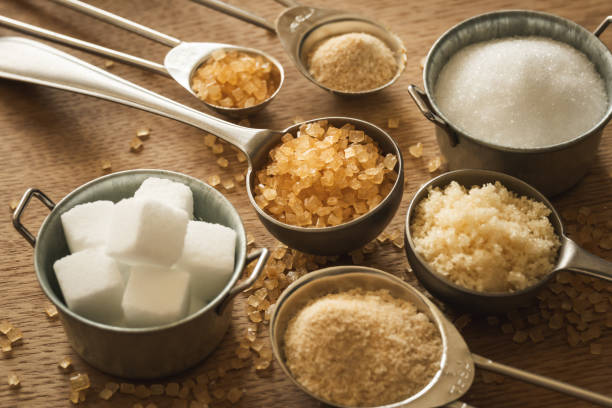
- Cane sugar
- Maltose
- Dextrose
5 Ways Sugar Slows Fat Loss
Let’s break down exactly how sugar stands in the way of your goals.
1. Extra Calories
Sugar adds calories fast. One soda can add 150 calories, and they don’t fill you!
2. Slower Metabolism
High sugar diets can make your body less efficient at burning fat.
3. Increased Fat Storage
As we mentioned, insulin tells your body to store fat.
4. Poor Food Choices
Sugar makes you want more sugar — and often less healthy foods.
5. Lower Energy for Workouts
Sugar crashes can leave you tired and less active.
Benefits of Cutting Back on Sugar
When you reduce sugar you can expect:
- Better energy levels
- Less hunger and fewer cravings
- Faster fat loss
- Clearer skin
- Better mood
Even small changes make a big difference.
How to Reduce Sugar — Simple Steps
Here are easy ways to cut back without feeling deprived.
1. Swap Sugary Drinks for Water
Soda and fruit drinks are full of sugar. Try:
- Water with lemon
- Sparkling water with berries
- Unsweetened tea
These drinks hydrate without calories.
2. Eat Whole Foods
Choose real foods like:
- Lean proteins (chicken, fish, tofu)
- Vegetables and fruit
- Nuts and seeds
- Whole grains (brown rice, oats)
Whole foods keep you full and slow sugar absorption.
3. Choose Healthy Snacks
Instead of candy or cookies, try:
- Apple slices with peanut butter
- Greek yogurt with berries
- Raw nuts or seeds
These give nutrients and keep you satisfied longer.
4. Read Nutrition Labels
Check for added sugars. A few grams here and there add up fast.
Tips:
- Look at the grams of sugar per serving
- Check the ingredient list
- Watch for sugar under different names
5. Satisfy Sweet Cravings the Smart Way
If you want something sweet:
- Choose fruit
- Try dark chocolate (70%+ cocoa)
- Add cinnamon to yogurt or oats
These options give flavor without a sugar spike.
Does All Sugar Affect Fat Loss Equally?
Not quite. Natural sugars (in fruit) come with fiber and nutrients. That means slower digestion and less impact on blood sugar. Whole fruit is generally fine — even helpful — for fat loss.
But added sugars — like those in soda, candy, and many processed foods — are the real issue.
The Truth About “Sugar-Free” and Diet Products
Just because a product is “sugar-free” doesn’t mean it’s healthy.
Watch out for:
- Artificial sweeteners
- Sugar alcohols (can cause bloating)
- Hidden calories from fats or carbs
Always check the full label!
Exercise, Sugar, and Fat Loss
Exercise helps with fat loss, but sugar can still hold you back. Here’s how sugar affects workouts:
- Low blood sugar = low energy
- Sugar crash = less stamina
- High insulin = less fat burning
Exercise + lower sugar = better results.
Real Stories: What Happens When People Cut Sugar
Many people report big changes when they cut back:
- Weight loss
- Better sleep
- Less cravings
- Increased energy
- Better focus
You may feel changes in just a week!
FAQs About Sugar and Fat Loss
Is fruit bad for fat loss?
No! Whole fruit has fiber and nutrients. It’s different from added sugar.
Can I have sugar sometimes?
Yes! The key is moderation. A treat now and then is okay.
Does sugar cause belly fat?
High sugar diets are linked to more belly fat because of insulin effects.
Expert Tip: Track Your Sugar for a Week
Write down everything you eat and drink for 7 days. Then:
- Count your sugar grams
- See where most sugar comes from
- Swap one high-sugar item for a healthier choice
Small changes lead to big results.
Conclusion — You Can Make Change Today
Sugar affects your body in many ways. It spikes blood sugar, increases hunger, and slows fat loss. When your blood sugar rises fast, your body releases insulin. High insulin can make it harder to burn stored fat. After the spike, your energy often crashes. That crash can make you crave more sugar, and the cycle starts again.
Over time, too much sugar can affect your mood, focus, sleep, and weight. You may feel tired even after eating. You may also notice stronger cravings and slower progress, even if you are working out. This is why lowering added sugar can make such a big difference.
But the good news? You can start making changes today. You don’t need a perfect diet. Small, steady steps work best.
Understand where sugar hides
Read food labels. Look at the “added sugars” line. Check the ingredient list for words like syrup, cane sugar, or maltose. The more you know, the better choices you can make.
Make simple swaps
Replace soda with water or unsweetened tea. Choose plain yogurt instead of flavored. Pick whole fruit instead of candy. Small swaps can cut hundreds of calories each week.
Choose whole foods
Focus on foods that are close to their natural form. Lean protein, vegetables, fruits, nuts, seeds, and whole grains help you feel full longer. They also support steady energy and better fat burning.
Track your habits
Write down what you eat for a few days. Notice patterns. Are you reaching for sugar when you are stressed or tired? Awareness helps you change behavior in a lasting way.
Your body will thank you. You may notice better energy, fewer cravings, improved mood, and easier fat loss. Start with one change today. Then build from there.
What is one sugary food or drink you can reduce this week? Share your plan and take the first step toward better health.