

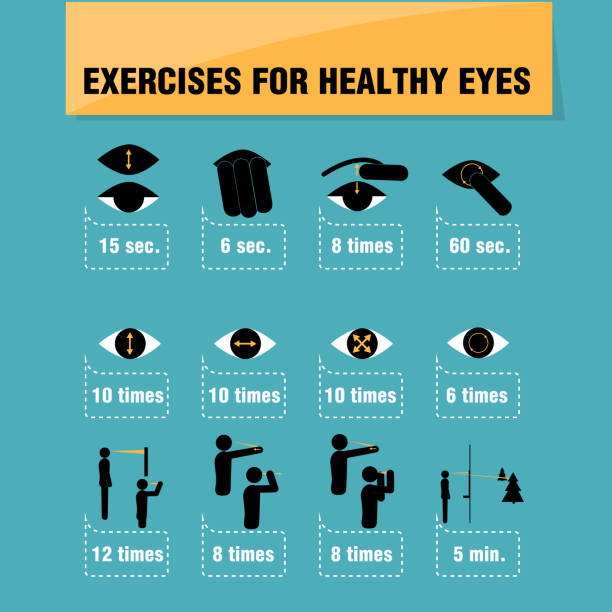
Clear, healthy vision plays a vital role in maintaining a productive and fulfilling life. It allows us to work efficiently, enjoy our hobbies, drive safely, and stay connected with the people around us. Yet in today’s digital world, our eyes are under more strain than ever before. Hours spent staring at computers, smartphones, tablets, and televisions can lead to common problems such as eye strain, dry eyes, blurred vision, headaches, and overall visual fatigue. As screen time continues to rise, many people are searching for natural and practical ways to protect and strengthen their eyesight.
One approach that has gained attention is eye exercises. These simple techniques are designed to relax the eye muscles, improve focus flexibility, and reduce tension caused by prolonged screen use. But do they actually work? While eye exercises cannot cure refractive errors or replace prescription glasses or contact lenses, they may still offer meaningful benefits. When practiced consistently, certain exercises can help reduce digital eye strain, enhance concentration, and support better coordination between the eyes.
Understanding what eye exercises can—and cannot—do is important. They are not a miracle solution for perfect vision, but they can be a helpful addition to a healthy eye care routine. In the following sections, we’ll take a closer look at how eye exercises work, their potential benefits, and whether they can truly contribute to improving your overall visual comfort and performance.
What Are Eye Exercises?
Eye exercises are simple, practical movements designed to support the muscles that control your eyes, improve focusing ability, and enhance coordination between both eyes. Much like regular physical exercise keeps your body strong, flexible, and resilient, these targeted visual movements aim to promote better eye function and overall visual comfort. Although they are not a cure for vision problems that require corrective lenses, they can play a supportive role in maintaining healthy visual habits.
These exercises are especially helpful for people who spend long hours in front of digital screens, reading documents, or performing detailed tasks that demand sustained concentration. Prolonged near work can place continuous stress on the eye muscles, often leading to digital eye strain, dryness, blurred vision, headaches, and fatigue. Over time, this strain can make it harder to shift focus between near and distant objects comfortably.
By incorporating simple eye exercises into your daily routine—even for just a few minutes at a time—you may help your eyes relax and recover from extended periods of focus. Regular practice can improve visual flexibility, increase eye endurance, and reduce discomfort associated with prolonged screen use. In turn, this may enhance your overall visual efficiency, allowing you to work, read, and engage in daily activities with greater ease and comfort.
Common Causes of Eye Strain

Eye strain has become a common issue in today’s digital world. Some major causes include:
- Extended Screen Time: Spending hours looking at a computer or phone screen can overwork your eyes.
- Poor Lighting: Reading or working in dim light forces your eyes to work harder.
- Improper Posture: Sitting too close to a screen or at an awkward angle can contribute to discomfort.
- Lack of Breaks: Not giving your eyes a rest can lead to fatigue and headaches.
Addressing these issues is key to reducing strain, and eye exercises can complement these efforts.
How Eye Exercises Benefit Your Vision
While eye exercises may not cure serious vision problems like nearsightedness or farsightedness, they do offer several advantages for eye health:
1. Relieving Eye Strain
Eye exercises can help relax overworked eye muscles that become tense after long hours of screen time, reading, or detailed tasks. Staring at digital devices without breaks forces your eyes to maintain a fixed focus, which can lead to burning sensations, dryness, irritation, and even mild headaches. Simple movements—such as shifting focus, rolling the eyes gently, or practicing the 20-20-20 rule—allow the muscles to loosen and recover. Over time, this can significantly reduce discomfort and improve overall visual comfort during daily activities.
2. Improving Focus
Certain eye exercises are designed to train your eyes to adjust more smoothly between near and distant objects. In today’s digital environment, our eyes often stay locked in close-up focus for extended periods, which can make distance vision temporarily blurry. Focus-shifting exercises help strengthen the eye’s ability to adapt quickly, improving clarity and responsiveness. This is particularly beneficial for individuals who notice delayed focus changes when looking up from a screen or book.
3. Enhancing Coordination
Your eyes function as a coordinated team, working together to produce a single, clear image. When coordination is slightly off, it can lead to issues such as double vision, difficulty concentrating, or eye fatigue. Exercises that encourage both eyes to track objects together can improve alignment and teamwork. Better coordination not only supports clearer vision but also enhances depth perception and overall visual efficiency.
4. Boosting Circulation
Gentle eye movements stimulate blood flow around the eye area, helping deliver oxygen and essential nutrients to the surrounding tissues. Improved circulation supports muscle function and may aid in reducing tension and inflammation. While subtle, this increased blood flow contributes to maintaining healthier eyes, especially for those who experience prolonged periods of visual strain.
5. Preventing Fatigue
Regular eye exercises can help minimize the heavy, tired feeling that often develops after extended visual tasks. By encouraging relaxation and flexibility in the eye muscles, these exercises make it easier to maintain focus for longer periods without discomfort. Incorporating short eye breaks throughout the day can refresh your vision, boost productivity, and help you feel less mentally and physically drained by the end of the day.
Simple Eye Exercises to Try
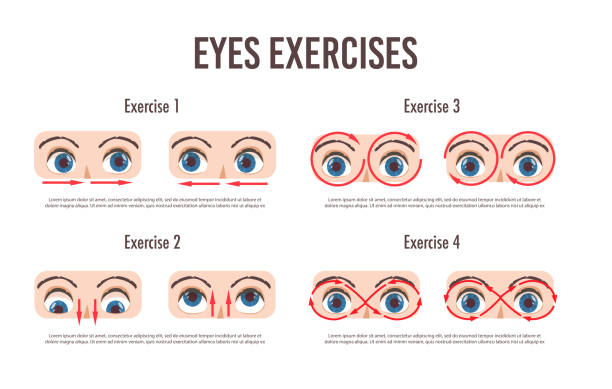
Here are some easy exercises you can incorporate into your daily routine:
1. The 20-20-20 Rule
This popular exercise is a lifesaver for anyone who spends a lot of time in front of screens. Every 20 minutes, look at something 20 feet away for 20 seconds. It helps reduce strain and gives your eyes a quick break.
2. Focus Shifting
Hold your finger about 10 inches away from your nose. Focus on your finger, then shift your focus to an object in the distance. Repeat this 10 times. It’s a great way to improve focus and flexibility.
3. Eye Rolling
Roll your eyes in a circular motion—first clockwise, then counterclockwise. This exercise helps relax eye muscles and improve blood circulation.
4. Figure Eight
Visualize an imaginary figure eight about 10 feet in front of you. Trace the shape with your eyes for 30 seconds, then switch directions. This exercise enhances coordination and flexibility.
5. Palming
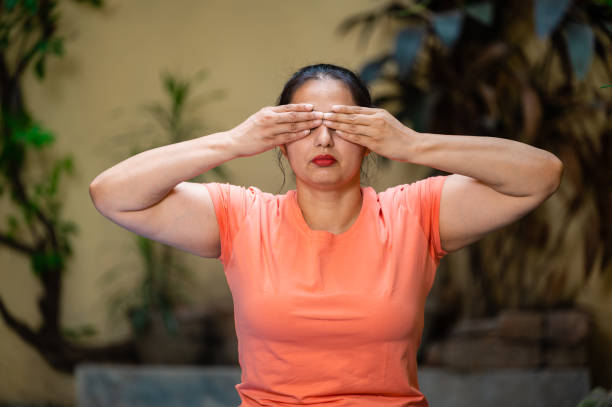
Rub your hands together to warm them up, then place them gently over your closed eyes. Let the warmth and darkness relax your eye muscles for a minute or two.
Who Can Benefit From Eye Exercises?
Eye exercises are beneficial for a wide range of people, including:
- Office Workers: Those who stare at screens for long periods.
- Students: Reading and studying for hours can strain the eyes.
- Drivers: Long drives require intense focus, which can lead to fatigue.
- Elderly Individuals: Exercises can help maintain eye mobility and flexibility.
Can Eye Exercises Improve Vision Long-Term?
Eye exercises are not a replacement for corrective lenses or medical treatments for conditions like nearsightedness, farsightedness, or astigmatism. However, they can improve the comfort and function of your eyes, especially for tasks that cause strain.
Some programs, like vision therapy, may also include eye exercises as part of a broader treatment plan for certain conditions. These therapies are typically guided by an eye specialist and aim to address issues like lazy eye or convergence insufficiency.
Tips for Maintaining Healthy Vision
While eye exercises can help, there are additional steps you can take to protect your vision:
- Take Regular Breaks: Follow the 20-20-20 rule to give your eyes a rest.
- Blink Often: Blinking keeps your eyes moist and prevents dryness.
- Use Proper Lighting: Avoid working in dim or overly bright settings.
- Adjust Screen Settings: Reduce glare and adjust brightness to a comfortable level.
- Stay Hydrated: Drinking enough water supports overall eye health.
- Eat Eye-Healthy Foods: Include foods rich in vitamins A, C, and E, as well as omega-3 fatty acids.
When to See an Eye Doctor
If you experience persistent eye pain, blurry vision, or headaches, it’s time to see an eye doctor. These could be signs of an underlying issue that requires professional attention. Regular checkups are essential for maintaining good vision and catching problems early.
Conclusion
Eye exercises can be a simple yet powerful addition to your daily routine, helping to reduce eye strain, sharpen focus, and keep your vision feeling refreshed throughout the day. In a world where screens dominate both work and leisure, giving your eyes intentional moments of movement and relaxation can make a noticeable difference in your overall comfort. While these exercises are not a replacement for prescription glasses or contact lenses, they can complement your existing eye care routine and support healthier visual habits over time.
For the best results, eye exercises should be combined with other positive practices. Take regular breaks from screens, follow the 20-20-20 rule, stay hydrated, and include nutrient-rich foods—such as leafy greens, colorful fruits, and omega-3–rich fish—in your diet. Most importantly, schedule routine eye exams with your eye care professional to monitor your vision and catch potential issues early.
By pairing simple exercises with smart daily habits, you create a well-rounded approach to protecting your eyesight. Start practicing these techniques today, and give your eyes the consistent care and attention they truly deserve.