


Clear and healthy vision is essential for enjoying a full and vibrant life, yet it is something many of us often take for granted. Our eyes are our windows to the world—they help us navigate our surroundings, connect with the people we love, and appreciate the beauty in everyday moments, from reading a favorite book to watching a breathtaking sunset. Unfortunately, modern lifestyles can place enormous strain on our eyes. Prolonged screen time, exposure to harmful UV rays, insufficient sleep, and poor nutrition all contribute to eye fatigue and long-term vision problems.
Neglecting eye health over time can lead to serious conditions such as glaucoma, cataracts, and macular degeneration, each of which can significantly impact vision and diminish overall quality of life. The encouraging news is that safeguarding your eyesight doesn’t need to be complicated. By adopting a few simple, consistent habits—ranging from mindful screen use to a nutrient-rich diet—you can protect and strengthen your vision, ensuring your eyes remain healthy for years to come. Below are seven essential daily practices to help keep your eyes in their best condition.
1. Eat a Vision-Friendly Diet
One of the most effective ways to safeguard your vision is to nourish your eyes from the inside out. A well-balanced diet rich in fruits, vegetables, and essential nutrients plays a crucial role in maintaining healthy eyes and preventing vision problems over time. Key nutrients such as vitamins A, C, and E, along with minerals like zinc and healthy fats like omega-3 fatty acids, provide powerful support for your eyes, helping them function optimally and stay resilient against damage.
Incorporating nutrient-dense foods into your meals is a simple yet impactful step. Leafy greens such as spinach and kale, bright orange vegetables like carrots and sweet potatoes, and fatty fish such as salmon and sardines are excellent choices. These foods are packed with antioxidants, which help protect the eyes from harmful oxidative stress and reduce the risk of age-related conditions like macular degeneration and cataracts. By making these foods a regular part of your diet, you can actively support your eye health and enjoy clearer, sharper vision for years to come.
2. Wear Sunglasses

While the sun’s warmth and brightness can feel comforting, its ultraviolet (UV) rays can pose serious risks to your eyes. Prolonged or repeated exposure to UV light can increase the likelihood of developing cataracts and macular degeneration—conditions that can gradually impair vision and reduce quality of life. Protecting your eyes from these harmful rays is not optional; it’s an essential step in maintaining long-term eye health.
Wearing sunglasses that offer 100% UVA and UVB protection every time you step outdoors is one of the simplest and most effective ways to shield your eyes. When selecting sunglasses, look for lenses labeled with full UV protection. Polarized lenses are an added benefit, as they minimize glare, enhance visual clarity, and make activities like driving, boating, or walking on sunny days safer and more comfortable. By making UV-protective eyewear a consistent habit, you can enjoy the sunshine without compromising your vision.
3. Take Breaks from Screens
In today’s digital age, many of us spend countless hours in front of screens—whether working on a computer, scrolling through a smartphone, or watching television. This constant exposure can take a significant toll on our eyes, often resulting in digital eye strain, also known as computer vision syndrome. Common symptoms include dryness, blurry vision, headaches, and even neck or shoulder discomfort.
Fortunately, there are simple strategies to help protect your eyes from the effects of prolonged screen time. One of the most effective is the 20-20-20 rule: every 20 minutes, take a moment to look at an object 20 feet away for at least 20 seconds. This gives your eye muscles a chance to relax and reduces strain. Additionally, adjusting your screen’s brightness to match your surroundings, maintaining proper posture, and using blue light–blocking glasses during extended device use can further ease discomfort. By incorporating these habits into your daily routine, you can minimize eye strain, preserve your vision, and make screen time much more comfortable.
4. Get Regular Eye Exams
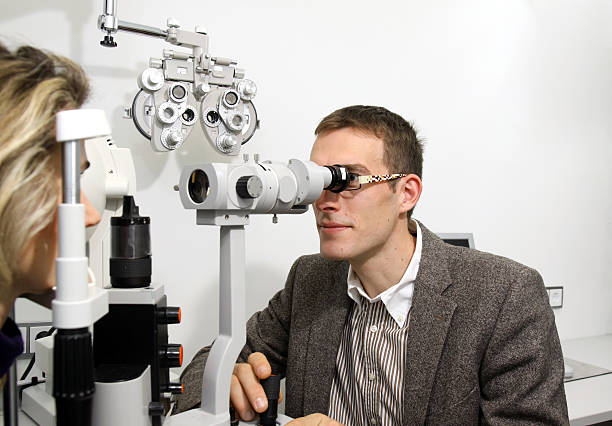
Regular eye exams are essential for maintaining healthy vision and catching potential problems before they become serious. Many eye conditions, such as glaucoma or early-stage macular degeneration, often develop silently and may not show noticeable symptoms until significant damage has occurred. That’s why it’s important to have your eyes checked routinely, even if everything seems normal.
Comprehensive eye exams allow your eye doctor to detect early signs of disease, monitor changes in your vision, and provide timely recommendations or treatments to prevent further deterioration. They can also assess your overall eye health, including checking for conditions related to diabetes, high blood pressure, or other health issues that can affect the eyes. Depending on factors like your age, medical history, lifestyle, and family history of eye disease, your doctor may suggest more frequent checkups. By keeping up with regular exams, you not only protect your vision but also ensure your eyes stay healthy and functional for years to come.
5. Keep Your Eyes Hydrated
Dry eyes can be more than just an occasional annoyance—they can cause discomfort and, if left unmanaged, may contribute to more serious eye problems over time. One of the simplest ways to combat dryness is to keep your body and eyes well-hydrated by drinking plenty of water throughout the day. Staying hydrated helps maintain the natural moisture balance in your eyes, which is essential for comfort and clear vision.
In addition to drinking water, using lubricating or artificial tears can provide immediate relief, especially in dry environments, air-conditioned rooms, or during prolonged screen use. It’s also important to avoid rubbing your eyes, as this can aggravate irritation, damage delicate tissues, and worsen dryness. For those who wear contact lenses, proper lens care is crucial—make sure your lenses are clean, stored correctly, and adequately hydrated to prevent discomfort and reduce the risk of infection. By taking these steps, you can keep your eyes moist, comfortable, and healthy throughout the day.
6. Practice Good Hygiene
Maintaining clean and healthy eyes is a fundamental part of overall eye care, helping to prevent infections and irritation. One of the simplest yet most effective practices is to wash your hands regularly and avoid touching your eyes with unclean hands, as this can transfer bacteria or other harmful substances directly to your eyes. If you use makeup, it’s important to remove it thoroughly before going to bed. Leftover makeup, especially around the delicate eye area, can lead to irritation, allergic reactions, or infections—particularly if the products contain harsh chemicals or old, expired ingredients.
For contact lens wearers, proper hygiene is critical to protecting your eyes. Always clean and store lenses according to your eye doctor’s instructions, use fresh lens solution daily, and never share lenses with others. Neglecting these practices increases the risk of eye infections, discomfort, and even more serious complications. By adopting these habits, you ensure that your eyes stay clean, healthy, and safe, supporting clear vision and long-term eye wellness.
7. Exercise Regularly

Regular physical activity is not only essential for overall health, but it also plays an important role in protecting and supporting your eye health. Exercise promotes better blood circulation throughout the body, including to the eyes, ensuring that these delicate organs receive the oxygen and nutrients they need to function optimally. Staying active can also help reduce the risk of chronic conditions like diabetes, high blood pressure, and obesity, all of which are known to have negative effects on vision and can increase the likelihood of eye diseases such as diabetic retinopathy or glaucoma.
Experts recommend aiming for at least 30 minutes of moderate exercise most days of the week. This doesn’t have to mean intense workouts—simple activities like walking, swimming, cycling, or practicing yoga can make a big difference. Regular movement not only supports eye health but also boosts overall well-being, energy levels, and mental clarity, helping you feel your best while keeping your vision sharp for years to come.
Final Thoughts
Protecting your vision doesn’t have to be complicated or time-consuming. By incorporating a few simple, consistent habits into your daily routine, you can safeguard your eyes and maintain healthy vision for many years. Start with the basics: nourish your eyes from the inside out by eating nutrient-rich foods, shield them from harmful UV rays by wearing sunglasses, and give your eyes regular breaks from screens to prevent digital strain. Complement these steps with routine eye exams, staying properly hydrated, practicing good eye hygiene, and staying active through regular exercise—each habit plays an important role in keeping your eyes strong and healthy.
Even small, daily actions can make a big difference over time. By making these practices a natural part of your lifestyle, you’re investing in your long-term eye health and reducing the risk of vision problems as you age. Healthy eyes allow you to fully enjoy the world around you—from reading a favorite book to admiring a beautiful sunset. It’s never too early to start caring for your eyes, and taking action today can help ensure your vision stays clear and vibrant for years to come. Prioritize your eyes, protect your vision, and embrace habits that keep your sight sharp and your eyes healthy for life.