

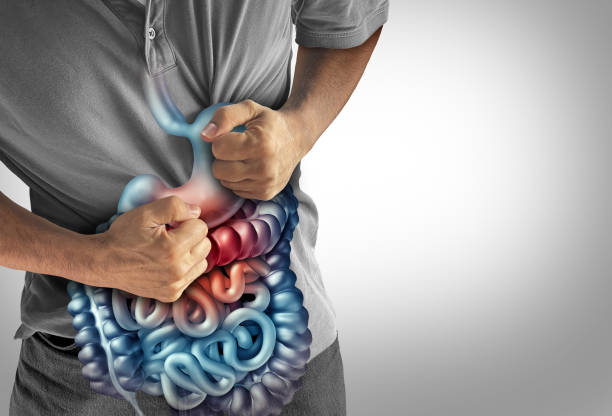
Living with Crohn’s disease can make something as simple as eating a meal feel complicated. Crohn’s disease is a type of inflammatory bowel disease (IBD) that causes inflammation in the digestive tract. Depending on the person and the severity of the condition, symptoms may include abdominal pain, persistent diarrhea, fatigue, unintended weight loss, bloating, and nutritional deficiencies.
Crohn’s disease can affect virtually any part of the gastrointestinal (GI) tract, although it commonly involves the small intestine and colon. Symptoms can also change over time. A food that seems perfectly tolerable during one period may become difficult to handle during a flare, while another food may be well tolerated once inflammation settles.
Because of these differences, there is no single “Crohn’s diet” that works for everyone. Instead, the goal is to understand your individual food tolerances, maintain adequate nutrition, and choose foods that support your overall health without unnecessarily restricting your diet.
Diet cannot cure Crohn’s disease, and nutritional changes should not replace medications or treatment prescribed by your healthcare provider. However, thoughtful dietary adjustments may help some people manage symptoms and maintain better nutritional status.
Here are five practical dietary changes to consider when managing Crohn’s symptoms.
1. Create a Diet That Works for Your Body
One of the biggest mistakes people with Crohn’s disease can make is assuming that a diet that helped someone else will automatically work for them.
Crohn’s disease is highly individual. Two people with the same diagnosis can have completely different symptoms, food tolerances, nutritional needs, and responses to treatment. Even the same person may need to adjust their diet depending on whether their disease is active or in remission.
Your ideal eating pattern may depend on several factors, including disease activity, medications, age, nutritional status, laboratory results, symptoms, food intolerances, previous intestinal surgery, and personal health goals.
This is why keeping a food and symptom journal can be useful.
For several weeks, record what you eat and drink, how much you consume, and any symptoms that occur afterward. You may begin to notice patterns. For example, you might discover that certain foods consistently cause bloating or diarrhea while others are easy to tolerate.
However, avoid immediately eliminating large numbers of foods based on one uncomfortable experience. Symptoms can have many causes, and eliminating too many foods can make it harder to obtain enough calories, protein, vitamins, and minerals.
A registered dietitian who specializes in gastrointestinal conditions can help you identify potential triggers while keeping your diet nutritionally balanced.

2. Identify and Limit Foods That Make Symptoms Worse
Certain foods and beverages can aggravate digestive symptoms for some people with Crohn’s disease. That does not necessarily mean these foods cause Crohn’s disease or inflammation, but they may make existing symptoms feel worse.
Common examples include spicy foods, alcohol, caffeine, carbonated beverages, and greasy or fried foods.
Spicy meals may irritate the digestive system and increase discomfort in people who are already experiencing GI symptoms. Caffeinated beverages, meanwhile, can stimulate bowel activity and may make diarrhea more noticeable in some individuals.
Carbonated drinks can also contribute to gas and bloating. This includes soda as well as sparkling water and other fizzy beverages.
High-fat or fried foods can be another problem. Greasy foods may be difficult for some people to tolerate and can contribute to diarrhea, abdominal discomfort, or excessive gas.
During periods of increased symptoms, some people find that simple, soft, and easily tolerated foods are more comfortable. Depending on your individual tolerance, options might include rice, oatmeal, bananas, eggs, potatoes, lean protein, or well-cooked vegetables.
The key is not to assume that every person with Crohn’s disease needs to avoid the same foods. Instead, pay attention to your own response and discuss persistent symptoms with your healthcare team.
3. Pay Attention to Your Fiber Intake
Fiber can be confusing for people with Crohn’s disease because it may be beneficial in some circumstances but difficult to tolerate during others.
For people whose Crohn’s disease is inactive and who do not have intestinal strictures or symptoms suggesting an obstruction, eating adequate fiber may support overall digestive health. Fiber is found primarily in plant foods and can contribute to a healthier gut microbiome.
Foods such as oats, beans, berries, quinoa, chia seeds, potatoes with the skin, fruits, vegetables, and whole grains can provide fiber along with important vitamins, minerals, and other beneficial plant compounds.
Some research has associated higher fiber intake with a lower risk of Crohn’s flare-ups in certain people. Fiber can also provide food for beneficial gut bacteria and support the intestinal environment.
However, more fiber is not always better.
People with strictures, narrowing of the intestine, or symptoms that could indicate an obstruction may need to modify or restrict certain high-fiber foods. Nuts, seeds, popcorn, raw vegetables, and other foods that are difficult to digest may be problematic for some individuals.
During an active flare, some people may also temporarily tolerate lower-fiber foods better than large amounts of roughage.
If you want to increase fiber, do it gradually rather than making a dramatic change overnight. Increasing fiber too quickly can cause additional gas, bloating, and abdominal discomfort.
Your healthcare provider or gastrointestinal dietitian can help determine how much fiber is appropriate for your specific situation and whether certain high-fiber foods should be modified.

4. Consider Whether Dairy Is Contributing to Your Symptoms
Dairy products are another area worth examining if you regularly experience diarrhea, bloating, abdominal discomfort, or gas after eating.
Some people with Crohn’s disease also have lactose intolerance, meaning their bodies have difficulty digesting lactose, the natural sugar found in milk and many dairy products.
When lactose is not properly digested, it can cause uncomfortable digestive symptoms. Reducing lactose-containing foods may therefore improve symptoms for people who are sensitive to it.
However, eliminating all dairy products is not necessarily the best solution for everyone.
Dairy foods can provide valuable nutrients, including calcium, protein, and vitamin D. Removing them without replacing those nutrients can contribute to nutritional deficiencies, particularly in people who already have difficulty maintaining adequate nutrition.
Some people with lactose intolerance can tolerate small amounts of dairy, yogurt, or hard cheeses better than milk. Lactose-free milk and fortified dairy alternatives may also provide options.
Rather than assuming that all dairy is a problem, consider discussing your symptoms with a healthcare professional or dietitian. They can help determine whether lactose intolerance or another issue may be contributing to your symptoms and help you maintain adequate calcium and vitamin D intake.
5. Be Mindful of Excess Sugar and Fructose
Another dietary factor to consider is your intake of added sugars and foods that are particularly high in fructose.
Fructose is a naturally occurring sugar found in fruits, some vegetables, honey, and other foods. It is also used in a variety of processed foods and sweetened beverages.
Some people have difficulty absorbing large amounts of fructose. When this occurs, consuming high-fructose foods may contribute to bloating, abdominal pain, gas, and loose stools.
Processed foods and beverages can be particularly easy sources of excess sugar. Soft drinks, sweetened juices, desserts, candies, ice cream, and baked goods may contain significant amounts of added sugars or fructose-containing ingredients.
Ingredients such as high-fructose corn syrup, fructose, and crystalline fructose may appear on food labels.
This does not mean that everyone with Crohn’s disease needs to eliminate fruit. Whole fruits provide fiber, vitamins, minerals, and other beneficial nutrients and may be well tolerated by many people.
Instead, focus on identifying whether specific foods or large quantities of fructose appear to worsen your symptoms. If you frequently experience diarrhea, bloating, or abdominal discomfort after consuming certain sweetened foods or beverages, keeping a food diary can help you identify patterns.
Reducing highly processed, sugar-heavy foods can also make room in your diet for more nutrient-dense choices.
Nutrition Matters During Crohn’s Disease
Managing symptoms is important, but so is getting enough nutrition.
Crohn’s disease can increase the risk of nutritional deficiencies because inflammation, diarrhea, reduced food intake, food avoidance, and problems with nutrient absorption can all affect nutritional status.
Some people may struggle to get enough calories or protein, particularly during a flare. Weight loss can become another concern, and certain vitamins and minerals may require special attention.
For this reason, a highly restrictive diet is usually not the goal.
Instead, the goal should be to find the broadest range of foods you can comfortably tolerate while meeting your nutritional needs. If you have been avoiding many foods or have experienced significant weight loss, speak with your doctor or a registered dietitian before making major dietary changes.
During a Flare, Your Diet May Need to Change
Another important point is that your nutritional needs and food tolerance may change depending on whether your Crohn’s disease is active or in remission.
During a flare, foods that are normally well tolerated may temporarily cause discomfort. Some people find that eating smaller meals more frequently and choosing softer, lower-fiber foods makes eating more comfortable.
Once symptoms improve, gradually reintroducing a wider variety of foods can help prevent unnecessary long-term restrictions.
The right approach depends heavily on your symptoms and medical history. If you experience severe abdominal pain, persistent vomiting, significant abdominal swelling, inability to pass stool or gas, dehydration, or other concerning symptoms, seek medical attention promptly because these can sometimes indicate complications that require medical treatment.
Work With Your Healthcare Team
Dietary changes can be an important part of managing life with Crohn’s disease, but they are only one part of the bigger picture.
Medication, regular medical monitoring, stress management, physical activity when appropriate, adequate sleep, and nutritional support can all play important roles in overall disease management.
A gastrointestinal dietitian can be particularly helpful when symptoms make eating difficult. Rather than simply giving you a list of foods to avoid, a qualified professional can help you identify your personal triggers while making sure you continue to receive enough calories, protein, fiber, vitamins, and minerals.
The Bottom Line
There is no universal meal plan for Crohn’s disease. What works well for one person may cause problems for another, and your food tolerance may change as your disease activity changes.
Still, several smart dietary strategies can help you take a more informed approach to managing symptoms:
- Track your food and symptoms to identify personal triggers.
- Limit foods and drinks that worsen your symptoms, such as spicy, greasy, caffeinated, alcoholic, or carbonated products when appropriate.
- Adjust your fiber intake based on your individual condition, especially if you have strictures or obstruction symptoms.
- Consider lactose intolerance if dairy consistently causes digestive problems.
- Reduce excessive added sugar and identify whether high-fructose foods trigger symptoms.
Most importantly, avoid making drastic dietary changes on your own. Crohn’s disease can affect nutrition in complex ways, and unnecessarily eliminating entire food groups may create new problems.
The ultimate goal isn’t to follow the most restrictive diet. It’s to develop an eating pattern that helps you feel your best, provides the nutrition your body needs, and can be adjusted as your symptoms and disease activity change. Working with your gastroenterologist and a dietitian experienced in IBD can help you find that balance.