

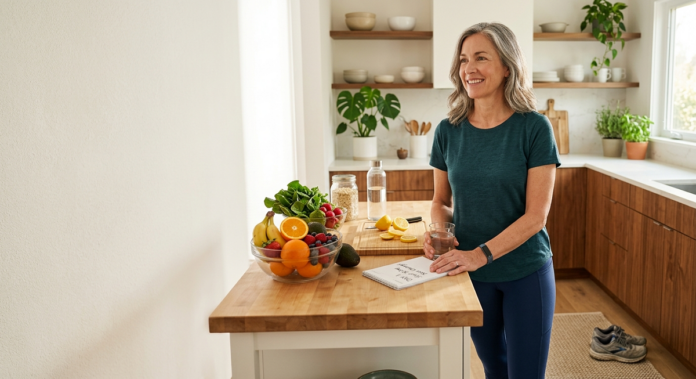
Changing your health does not have to mean changing your whole life overnight.
You do not need a strict diet, long workouts, or a perfect morning routine. In fact, trying to change everything at once can make healthy living feel hard to maintain.
A better approach is to start small.
The 30-Day Healthy Living Challenge is a simple way to build better habits one day at a time. Instead of chasing quick results, you focus on small actions that can become part of your normal routine.
Over 30 days, you can work on healthier eating, regular movement, better sleep, stress management, hydration, and daily self-care. Each habit may seem small on its own. Together, they can make a meaningful difference in how you feel and live.
The goal is not perfection. The goal is progress.
What Is the 30-Day Healthy Living Challenge?
The 30-Day Healthy Living Challenge is a month-long plan that encourages you to make one or two simple health changes at a time.
You do not need to follow a complicated program. You simply choose realistic actions and repeat them until they feel easier.
Your challenge can include:
- Eating more vegetables and fruit
- Drinking more water
- Walking each day
- Spending less time sitting
- Getting enough sleep
- Reducing added sugar
- Eating more whole foods
- Practicing simple stress relief
- Spending time outdoors
- Creating a relaxing bedtime routine
- Taking short breaks during the workday
- Being more mindful about your food choices
Healthy living is not about doing everything perfectly. The World Health Organization notes that some physical activity is better than none, and regular activity can support physical and mental health.
That same idea applies to healthy habits: small steps still count.
Why Small Healthy Habits Can Make a Big Impact
It is easy to think that healthy living requires major changes.
You might imagine spending an hour at the gym, cooking every meal from scratch, or following a strict meal plan. While those things may work for some people, they are not the only ways to improve your health.
Small habits are often easier to repeat.
For example, walking for 10 minutes may feel much easier than planning a one-hour workout. Adding one serving of vegetables to lunch may be easier than completely changing your diet.
Once a small habit becomes normal, you can build on it.
This creates a simple cycle:
Small action → repeated habit → better routine → lasting change
The purpose of this 30-day challenge is to help you create that cycle.
For more simple habits you can add to your routine, check out our guide to 10 Simple Healthy Habits to Practice Every Day.
How to Start Your 30-Day Healthy Living Challenge
Before Day 1, take a few minutes to think about what you want to improve.
Do not choose ten goals at once. Pick two or three areas that matter most to you.
For example:
- “I want more energy.”
- “I want to move more.”
- “I want to eat more nutritious foods.”
- “I want to sleep better.”
- “I want to feel less stressed.”
Then make your goal specific.
Instead of saying, “I will exercise more,” try:
“I will walk for 15 minutes after dinner five days this week.”
A clear goal is easier to follow.
It also helps to track your progress. Use a notebook, calendar, phone app, or simple checklist.
Remember: missing one day does not mean you failed. Simply continue the next day.
Your 30-Day Healthy Living Challenge
Here is a simple four-week plan you can use at home.
Week 1: Build Your Healthy Living Foundation
The first week is about creating awareness and making easy changes.
Day 1: Drink More Water
Start your challenge by paying attention to your water intake.
Keep a water bottle nearby during the day. Drink water with meals and when you feel thirsty.
You do not need to make hydration complicated. Make water the easy choice.
Day 2: Add One More Fruit or Vegetable
Add one extra serving of fruit or vegetables to your day.
Try:
- Berries with breakfast
- A banana as a snack
- Vegetables with lunch
- A side salad at dinner
- Sliced fruit with yogurt
The WHO healthy diet guidance recommends a varied diet based on principles such as balance, moderation, diversity, and adequate nutrition.
Day 3: Take a 10-Minute Walk
Today, take a 10-minute walk.
Walk around your neighborhood, workplace, park, or home.
If you already exercise, you can make the walk longer.
The important part is getting your body moving.
Day 4: Improve One Meal
Choose one meal and make it more nutritious.
You could add vegetables, choose whole grains, include a protein source, or replace a sugary drink with water.
Do not try to make every meal perfect.
Improve one meal.
Day 5: Take Movement Breaks
If you spend many hours sitting, set reminders to stand and move.
Try:
- Walking around the room
- Stretching
- Getting a glass of water
- Taking the stairs
- Doing a few gentle movements
Small bursts of movement can help you avoid sitting for long periods.
Day 6: Create a Better Sleep Routine
Start preparing for sleep at the same time each night.
Dim the lights. Put away work. Reduce stimulating activities and create a calm bedtime routine.
The National Heart, Lung, and Blood Institute recommends keeping a regular sleep schedule and using the hour before bed for quiet time.
Day 7: Reflect
Take a few minutes to review your first week.
Ask yourself:
- What felt easy?
- What felt difficult?
- Which habit do I want to continue?
- What can I change next week?
Do not judge yourself.
Use the answers to make Week 2 easier.
Week 2: Focus on Healthy Eating and Movement
Now that you have started building your routine, it is time to add a few more healthy habits.
Day 8: Build a Balanced Plate
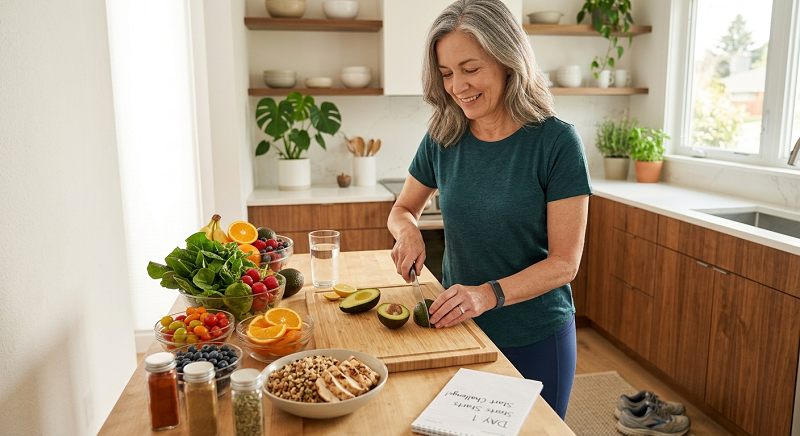
At your next meal, think about balance.
Include a mix of:
- Vegetables or fruit
- Protein
- Whole grains or another nutritious carbohydrate
- Healthy fats
You do not need to count every calorie.
Focus on the quality and variety of your food.
The CDC recommends focusing on nutrient-dense foods such as vegetables, fruits, protein foods, healthy fats, and whole grains while limiting highly processed foods, added sugars, and excess sodium.
Day 9: Walk for 15 Minutes
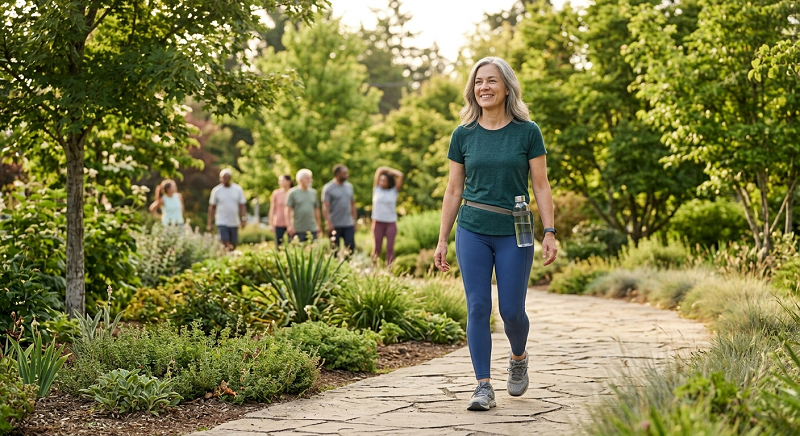
Increase your walk to 15 minutes.
You can split this into shorter walks if needed.
For example:
- 5 minutes in the morning
- 5 minutes after lunch
- 5 minutes after dinner
The WHO recommends that adults get at least 150 minutes of moderate physical activity each week, along with muscle-strengthening activities on two or more days when appropriate.
You do not have to reach that goal immediately. Build toward it gradually.
Day 10: Eat Without Distractions
Try eating one meal without watching TV or scrolling through your phone.
Pay attention to:
- How your food tastes
- How quickly you eat
- When you begin to feel full
- How your body feels afterward
Mindful eating can help you become more aware of your habits.
Day 11: Choose a Healthier Snack
Replace one less nutritious snack with a simple option.
Try:
- Fruit
- Unsweetened yogurt
- Nuts or seeds
- Vegetables with hummus
- A boiled egg
- Whole-grain crackers
The goal is not to avoid every treat. It is to create more balanced choices.
Day 12: Add Simple Strength Exercises
Try a few basic exercises at home.
For example:
- Chair squats
- Wall push-ups
- Glute bridges
- Calf raises
- Light resistance-band exercises
Start slowly and use good form.
If you have a medical condition, injury, or concerns about exercise, speak with a qualified health professional before starting a new program.
Day 13: Plan Tomorrow’s Meals
Spend 10 minutes planning what you will eat tomorrow.
Planning can make healthy choices easier when you are busy.
Write down:
- Breakfast
- Lunch
- Dinner
- One or two snacks
You can also prepare some ingredients ahead of time.
Day 14: Enjoy a Flexible Day
Healthy living should still include enjoyment.
Have a favorite food if you want it. Go out with friends. Enjoy a meal with your family.
One meal does not define your health.
The goal is to build a pattern that you can maintain.
Week 3: Improve Sleep, Stress, and Daily Energy
Healthy living is more than food and exercise.
Your mental well-being, sleep, and daily stress also matter.
Day 15: Protect Your Sleep

Aim for a consistent bedtime and wake-up time.
Most adults need at least seven hours of sleep each night.
Try making your bedroom:
- Dark
- Quiet
- Comfortable
- Cool enough for comfortable sleep
Good sleep can help support your energy and daily function.
Day 16: Practice Five Minutes of Deep Breathing
Take five quiet minutes today.
Sit comfortably. Breathe slowly and focus on your breathing.
If your mind wanders, gently bring your attention back.
This can be an easy way to create a short pause during a busy day.
Day 17: Spend Time Outside
Spend at least 15 minutes outdoors.
You could:
- Walk in a park
- Sit in your garden
- Drink your morning coffee outside
- Walk around your neighborhood
The goal is simply to step away from your usual indoor routine.
Day 18: Take a Screen Break
Choose one period of the day to step away from your phone or computer.
Use the time to stretch, walk, talk with someone, read, or simply rest.
You may be surprised by how refreshing a short break can feel.
Day 19: Write Down Three Good Things
Before bed, write down three things you appreciated today.
They can be simple:
- A good meal
- A conversation with a friend
- A sunny morning
- Finishing a task
- Time with family
This takes only a few minutes.
Day 20: Do Something You Enjoy
Healthy living should not feel like punishment.
Spend time doing something that makes you happy.
Listen to music. Read. Cook. Garden. Draw. Call a friend.
Your health includes your emotional well-being too.
Day 21: Have a Recovery Day
Take a lighter day.
You can still walk and move, but give yourself time to recover from harder activities.
Rest is part of a healthy routine.
Week 4: Turn Healthy Habits Into a Lifestyle
The final week is about making your progress last.
Day 22: Clean Up Your Food Environment
Look at the foods you keep at home.
Make nutritious options easier to see and reach.
For example:
- Keep fruit on the counter
- Prepare vegetables ahead of time
- Keep water available
- Stock simple protein foods
- Store treats in less visible places
Your environment can make healthy choices easier.
Day 23: Walk More During the Day
Look for extra opportunities to move.
Park farther away. Take the stairs. Walk while talking on the phone.
These small choices can add movement to your day.
Physical activity does not have to happen only during a formal workout. WHO notes that walking, transportation, work, household tasks, and leisure activities can all count as physical activity.
Day 24: Reduce Added Sugar
Look at what you drink and snack on today.
Try reducing sugary drinks or choosing less-sweet options.
You do not need to remove all sweet foods.
Focus on reducing excess and making more nutritious choices more often.
Day 25: Make One Healthy Meal at Home
Prepare a simple meal using basic ingredients.
For example:
Protein + vegetables + whole grain + healthy fat
It could be grilled chicken with vegetables and brown rice, or beans with vegetables and whole-grain toast.
Keep it simple.
Day 26: Connect With Someone
Call a friend. Talk with a family member. Meet someone for a walk.
Healthy living does not need to be a solo activity.
Social connection can make healthy habits more enjoyable and easier to maintain.
Day 27: Review Your Progress
Look back at the past 26 days.
Think about what has changed.
Maybe you:
- Walk more
- Drink more water
- Eat more vegetables
- Sleep more consistently
- Spend less time sitting
- Feel more aware of your food choices
- Take more breaks
- Handle stress better
These changes matter.
Day 28: Choose Your Best Five Habits
Pick five habits from the challenge that you want to keep.
For example:
- Walk for 20 minutes
- Drink more water
- Eat vegetables with lunch and dinner
- Keep a regular bedtime
- Take five minutes to relax
These become your personal healthy living foundation.
Day 29: Create Your Long-Term Plan
A 30-day challenge is only the beginning.
Write down what you want to continue for the next three months.
Keep your goals realistic.
Instead of:
“I will never eat unhealthy food again.”
Try:
“I will cook nutritious meals at home most weekdays.”
Instead of:
“I will exercise every day.”
Try:
“I will be active most days and include strength exercises twice a week.”
Realistic goals are easier to maintain.
Day 30: Celebrate Your Progress
You made it to Day 30.
Take a moment to recognize your effort.
You do not need to celebrate with food or a reward that goes against your goals.
Try:
- Taking a relaxing walk
- Spending time with family
- Buying a book
- Enjoying a hobby
- Taking a peaceful afternoon off
- Writing about what you learned
Most importantly, celebrate the fact that you started.
What to Do After the 30-Day Challenge
The biggest mistake is thinking the challenge ends on Day 30.
Instead, use the final day as a starting point.
Choose the habits that worked best for you and continue them.
You may also want to increase your goals slowly.
For example:
Month 1: Walk 10–20 minutes most days.
Month 2: Add two strength sessions each week.
Month 3: Improve meal planning and sleep habits.
This approach can feel much more manageable than trying to transform your entire lifestyle in one week.
How to Stay Motivated
Motivation naturally comes and goes.
That is normal.
Instead of depending on motivation, make healthy habits easier.
Make It Convenient
Keep walking shoes near the door.
Keep healthy snacks ready.
Fill your water bottle before you start work.
Prepare tomorrow’s lunch the night before.
Start Small
If 30 minutes of exercise feels impossible, start with 10 minutes.
If cooking every night feels overwhelming, cook two or three times a week.
Small steps are still steps.
Track Your Wins
Use a calendar and mark each day you complete your habit.
Seeing your progress can help you stay consistent.
Do Not Aim for Perfect
You may miss a workout.
You may eat a large dessert.
You may stay up too late.
That does not erase your progress.
Get back to your routine at the next opportunity.
The Benefits of a 30-Day Healthy Lifestyle Challenge
A month of healthier habits can help you become more aware of how your daily choices affect your well-being.
Regular physical activity can support heart health, brain health, sleep, mood, bones, and healthy weight management.
Healthy eating provides your body with important nutrients and can help support long-term health. The WHO emphasizes a varied diet based on nutritious foods, balance, moderation, and diversity.
Better sleep habits can also support your health and daily performance.
The most important benefit, however, may be confidence.
When you prove to yourself that you can make one small change, you may feel more prepared to make another.
A Simple 30-Day Healthy Living Checklist
Save this checklist and use it during your challenge:
- Drink more water
- Eat more fruits and vegetables
- Walk every day
- Break up long periods of sitting
- Add simple strength exercises
- Eat more whole foods
- Reduce excess added sugar
- Plan some meals ahead
- Create a regular sleep schedule
- Take short stress breaks
- Spend time outdoors
- Take screen breaks
- Connect with people you care about
- Track your progress
- Celebrate small wins
- Keep going after Day 30
Final Thoughts: Small Changes Really Can Add Up
The 30-Day Healthy Living Challenge is not about becoming a completely different person in one month.
It is about learning that healthy living can start with something small.
A 10-minute walk.
One extra serving of vegetables.
A glass of water instead of a sugary drink.
Five minutes of quiet time.
An earlier bedtime.
A short stretch between work tasks.
These choices may seem simple, but repeated actions can shape your daily routine.
You do not have to wait for Monday, next month, or the new year.
Start today. Pick one small healthy habit and do it before the day ends.
Then come back tomorrow and do it again.
What healthy habit will you choose for Day 1? Share your goal in the comments and challenge a friend or family member to join you. Your small change could inspire someone else to make one too.