

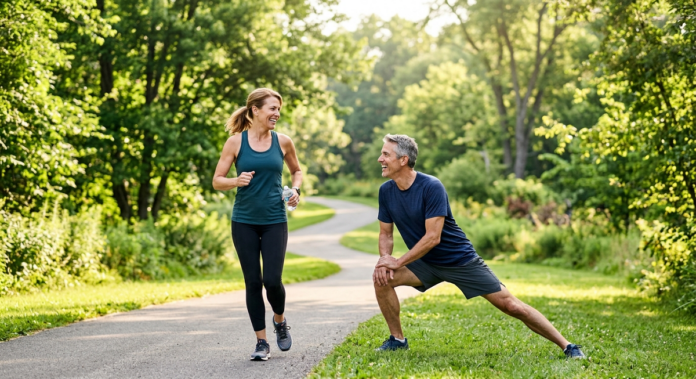
Getting older does not mean you have to slow down. In fact, staying active can help you feel stronger, move better, and enjoy everyday life more.
The best exercises for adults over 50 are not always the hardest ones. You do not need to run long distances or spend hours in a gym. A good fitness routine can include simple activities such as walking, strength training, stretching, balance exercises, swimming, and cycling.
Regular physical activity can support heart health, muscle strength, balance, flexibility, and independence as you age. The National Institute on Aging recommends combining aerobic, muscle-strengthening, and balance activities rather than focusing on only one type of exercise.
If you prefer exercising at home, try these easy cardio workouts you can do at home for simple ways to improve your fitness without needing a gym.
The key is to find activities you enjoy and can do safely and consistently.
Important: If you have a health condition, recent injury, severe joint pain, dizziness, or have been inactive for a long time, talk with your doctor or another qualified health professional before starting a new exercise program.
Why Exercise Matters After 50
Your body changes as you get older. You may notice that you have less muscle strength, reduced flexibility, or that certain activities take more effort than they once did.
That does not mean these changes cannot be managed.
Regular exercise can help you maintain physical function and make daily tasks easier. Activities such as walking, climbing stairs, carrying groceries, and getting up from a chair all depend on strength, balance, and mobility.
Exercise can also help support:
- Heart and lung health
- Muscle strength
- Bone health
- Balance and coordination
- Flexibility
- Healthy body weight
- Energy levels
- Independence
- Overall quality of life
You do not have to become an athlete to gain these benefits. Even small amounts of movement are useful, especially if you are currently inactive.
How Much Exercise Do Adults Over 50 Need?
There is no single perfect workout for everyone over 50. Your fitness level, health, injuries, medications, and goals all matter.
For adults ages 18 to 64, the CDC recommends at least 150 minutes of moderate-intensity aerobic activity each week, along with muscle-strengthening activities on at least two days per week.
Once you reach 65, the recommendations also include regular activities that improve balance. Older adults are encouraged to get at least 150 minutes of moderate aerobic activity each week, strength training on at least two days, and balance activities.
You can break exercise into smaller sessions.
For example:
- 30 minutes of walking, five days a week
- 10-minute walks three times a day
- Two or three short strength workouts each week
- A few minutes of balance practice several days a week
If 150 minutes sounds like too much, start with less. The CDC notes that some physical activity is better than none.
10 Best Exercises for Adults Over 50
The following exercises can help create a well-rounded fitness routine. You do not need to do all of them every day.
1. Brisk Walking
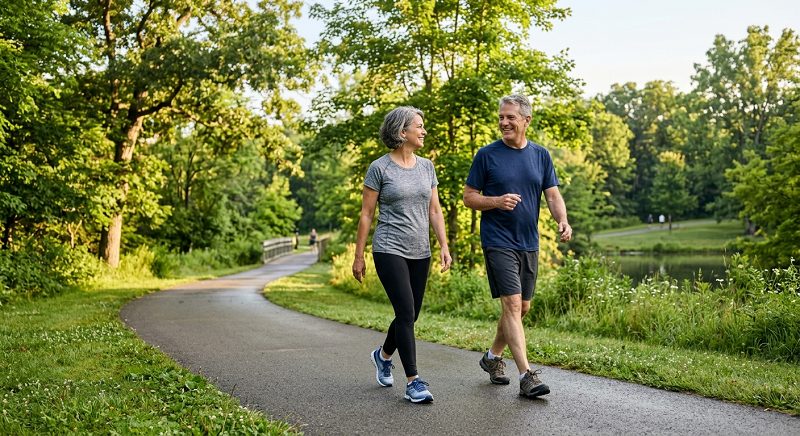
Walking is one of the easiest exercises for adults over 50.
It requires little equipment and can be done almost anywhere. You can walk outdoors, around your neighborhood, on a treadmill, or even inside a shopping center when the weather is poor.
A brisk walk can raise your heart rate while still allowing you to talk.
How to get started
If you are new to exercise, begin with 10 to 15 minutes at a comfortable pace. As your fitness improves, slowly increase the time or pace.
Try:
- Walking after breakfast
- Taking a short walk after dinner
- Walking while talking with a friend
- Parking farther away from your destination
- Taking the stairs when comfortable
Walking is also a useful weight-bearing activity and can be part of a healthy routine for maintaining strong bones and muscles.
2. Strength Training
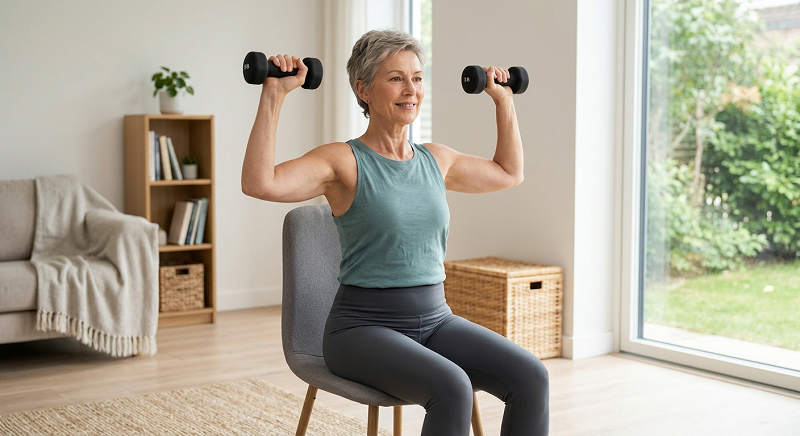
Strength training becomes especially important as you get older.
Muscle strength supports many everyday movements, such as standing from a chair, carrying bags, climbing stairs, and lifting objects.
You do not need heavy gym equipment. You can use:
- Resistance bands
- Light dumbbells
- Body weight
- Household objects
- Weight machines
Simple exercises include squats, wall push-ups, rows, leg raises, and modified lunges.
The CDC recommends muscle-strengthening activities at least two days each week, working the major muscle groups.
Start slowly
If you are new to strength training, focus on good form instead of heavy weights.
A common starting point is one set of about 8 to 12 repetitions for an exercise, with gradual progress over time.
3. Chair Squats
Chair squats are a simple way to strengthen your legs and hips.
Stand in front of a sturdy chair with your feet about shoulder-width apart. Slowly bend your knees and lower your hips toward the chair. Lightly touch the chair, then stand back up.
Keep your movements controlled.
Why chair squats help
Strong legs can make everyday activities easier. They may also help you maintain independence as you age.
If regular squats are difficult, use your hands for support or practice standing up and sitting down from a sturdy chair.
4. Resistance Band Exercises
Resistance bands are inexpensive, portable, and useful for home workouts.
They can help strengthen your arms, shoulders, back, legs, and hips.
Some beginner-friendly options include:
- Seated or standing rows
- Biceps curls
- Chest presses
- Leg extensions
- Side steps
- Glute exercises
Resistance training is one of the ways older adults can build or maintain muscle strength.
Start with a light band and controlled movements. Increase resistance gradually as you become stronger.
5. Cycling
Cycling can provide a good cardiovascular workout without requiring high-impact movements.
You can ride a traditional bicycle outdoors or use a stationary bike at home or in a gym.
Cycling can be useful if you enjoy longer workouts but want an alternative to walking.
Try indoor cycling
A stationary bike can be especially convenient because you can exercise regardless of weather.
Start with 10 to 20 minutes at a comfortable pace. Over time, increase the duration as your fitness improves.
6. Swimming and Water Aerobics
Water-based exercise can be a comfortable option for many adults over 50.
Swimming works many muscles while providing aerobic exercise. Water aerobics can also combine cardio and muscle activity.
The water provides resistance while reducing some of the impact associated with exercising on land.
Consider trying:
- Water walking
- Water aerobics
- Easy swimming
- Pool-based mobility exercises
If you have joint discomfort, ask a health professional whether water exercise is appropriate for you.
7. Balance Exercises
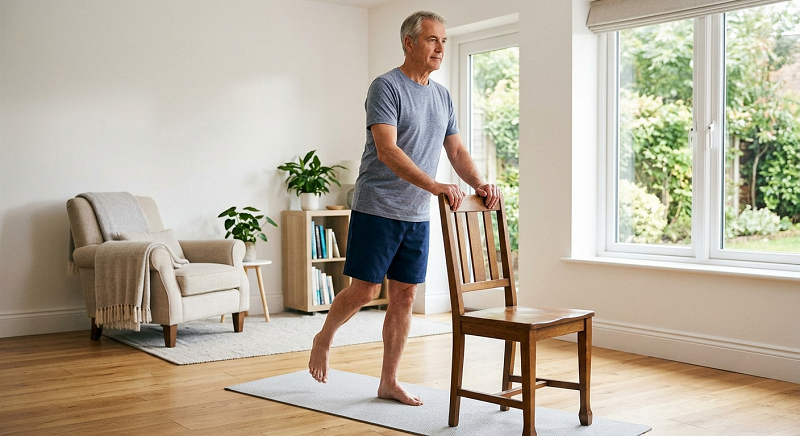
Balance exercises become increasingly important with age.
Good balance can help you feel more stable when walking, turning, stepping over objects, or changing direction.
The National Institute on Aging lists activities such as standing on one foot, heel-to-toe walking, yoga, and tai chi as examples of balance exercises.
Easy balance exercise
Stand near a sturdy chair or countertop.
Hold it if needed and:
- Stand tall.
- Lift one foot slightly off the floor.
- Hold for a few seconds.
- Lower the foot.
- Repeat on the other side.
Do not practice challenging balance exercises in an area where a fall could cause injury.
8. Tai Chi
Tai chi uses slow, controlled movements combined with breathing and body awareness.
It can be a good option for people who want an exercise that is gentle but still challenges movement and balance.
The National Institute on Aging includes tai chi among activities that can help improve balance.
A beginner class can also make exercise more enjoyable because you are learning with other people.
9. Stretching and Mobility Exercises
Flexibility can make everyday movement easier.
Simple stretching may help you move more comfortably when reaching, bending, turning, or getting dressed.
Good areas to focus on include:
- Calves
- Hamstrings
- Hips
- Shoulders
- Chest
- Back
Stretch gently. Avoid bouncing or forcing a joint into a painful position.
The National Institute on Aging recommends stretching when muscles are warmed up and advises not stretching so far that it hurts.
Try adding five to ten minutes of mobility work after a walk or strength session.
10. Low-Impact Aerobic Exercise
Low-impact cardio can help you stay active without making every workout feel intense.
Good choices include:
- Dancing
- Elliptical training
- Water aerobics
- Cycling
- Brisk walking
- Low-impact fitness classes
The best choice is the activity you can do regularly and enjoy.
You do not need to exercise at maximum intensity to improve your fitness.
Best Strength Exercises for Adults Over 50
Strength training deserves special attention because maintaining muscle can help you stay independent.
A simple beginner workout might include:
Lower body
- Chair squats
- Calf raises
- Step-ups
- Side leg raises
Upper body
- Wall push-ups
- Resistance-band rows
- Biceps curls
- Shoulder raises with light weights
Core
- Seated knee lifts
- Standing marches
- Modified bird dogs
- Gentle abdominal exercises
Start with exercises you can perform with good control.
As you become stronger, you can gradually increase repetitions, resistance, or sets.
Best Balance Exercises for Older Adults
Balance training does not need to take a long time.
You can practice for a few minutes while holding a sturdy chair or standing near a countertop.
Try:
- Heel-to-toe walking
- Standing on one foot
- Sideways walking
- Backward walking with support
- Sit-to-stand exercises
- Tai chi
- Gentle yoga
Balance exercises are important because falls can lead to serious injuries. The CDC recommends strength and balance activities as part of fall prevention for older adults.
If you already have balance problems or frequent falls, speak with a health professional. Some balance problems require exercises designed specifically for your condition.
A Simple Weekly Exercise Plan for Adults Over 50
You do not need a complicated workout schedule.
Here is one example:
Monday:
30-minute brisk walk + 5 minutes of stretching
Tuesday:
20–30 minutes of strength training + balance exercises
Wednesday:
30-minute walk or cycling
Thursday:
Rest or gentle stretching
Friday:
30-minute walk + strength training
Saturday:
Swimming, dancing, tai chi, or another enjoyable activity
Sunday:
Easy walk + gentle mobility exercises
This is only an example. Adjust the plan based on your current fitness level and health needs.
How to Exercise Safely After 50
Exercise should challenge you without making you feel unsafe.
Warm up first
Spend several minutes walking slowly or moving your arms and legs before harder exercise.
Increase activity slowly
Do not try to make up for years of inactivity in one week.
Add time or resistance gradually.
Listen to your body
Muscle tiredness can be normal. Sharp pain, severe dizziness, chest pain, or unusual shortness of breath is not something to ignore.
Stop exercising and seek appropriate medical advice when needed.
Focus on good form
A controlled movement is often more useful than rushing through many repetitions.
Stay hydrated
Drink enough fluids, especially when exercising in hot or humid conditions.
Choose supportive footwear
Stable, comfortable shoes can make walking and other activities safer.
Know when to ask for help
If you have a chronic condition, disability, significant joint problems, or other health concerns, talk with a health professional about the right type and amount of activity. The CDC recommends professional guidance for people who need help adapting exercise to chronic conditions or disabilities.
How to Stay Motivated to Exercise After 50
Knowing what to do is one thing. Doing it consistently is another.
Try these simple strategies.
Choose activities you enjoy
If you hate running, you do not have to run.
Try walking, swimming, dancing, cycling, gardening, or another activity you actually enjoy.
Exercise with someone
A walking partner can make exercise more social and enjoyable.
Keep workouts short
A 10-minute workout is better than doing nothing because you do not have time for an hour.
Track your progress
Write down your walks, workouts, or stretching sessions.
Seeing your progress can help keep you motivated.
Focus on how you feel
Do not measure success only by your weight.
Notice other improvements:
- More energy
- Better balance
- Easier stairs
- Stronger legs
- Better mobility
- Greater confidence
These are meaningful signs that your body is becoming more capable.
Common Exercise Mistakes to Avoid After 50
Starting an exercise routine is great, but avoid these common mistakes.
Doing too much too soon: Your body needs time to adapt.
Only doing cardio: Walking is excellent, but strength and balance matter too.
Ignoring flexibility: Stiffness can make everyday movement harder.
Skipping rest: Recovery is part of training.
Comparing yourself with younger people: Your goal is to improve your own health and fitness.
Exercising through serious pain: Pain that is sharp, severe, persistent, or unusual deserves attention.
The goal is not to prove how hard you can exercise. The goal is to build a body that can keep moving well for years to come.
Make Exercise Part of Your Lifestyle
The best exercises for adults over 50 are the ones you can keep doing.
You might walk in the morning, perform strength exercises twice a week, stretch while watching television, and practice balance while standing near the kitchen counter.
Small habits add up.
The CDC notes that regular physical activity can support independent living, help manage chronic disease, and improve quality of life as people age.
You do not need a perfect workout plan.
You need a realistic one.
Start where you are. Move regularly. Build slowly. And give your body time to become stronger.
Frequently Asked Questions
What is the best exercise for someone over 50?
Walking is one of the easiest places to start, but there is no single best exercise. A combination of aerobic activity, strength training, balance work, and flexibility exercises is a better approach.
Can you build muscle after 50?
Yes. Strength training can help adults maintain and build muscle as they age. Start with manageable resistance and gradually increase the challenge.
Is walking enough exercise after 50?
Walking is an excellent form of aerobic activity, but it is helpful to combine it with strength and balance exercises. This creates a more complete fitness routine.
How often should adults over 50 exercise?
Aim for regular activity throughout the week. Current guidelines recommend at least 150 minutes of moderate aerobic activity each week for adults, plus muscle-strengthening activity on at least two days. Adults 65 and older should also include balance activities.
Can I exercise at home after 50?
Absolutely. Walking, chair squats, wall push-ups, resistance-band exercises, stretching, balance work, and many mobility exercises can be done at home.
Final Thoughts: Keep Moving, Keep Growing Stronger
Turning 50 is not a reason to stop being active. It can be a great time to become more intentional about your health.
The best exercises for adults over 50 do not have to be extreme. Walking, strength training, stretching, balance exercises, cycling, swimming, and tai chi can all play a role in a healthy, active lifestyle.
Start with what feels manageable. Choose activities you enjoy. Increase your effort slowly, and focus on consistency instead of perfection.
Most importantly, remember that fitness is not about looking young. It is about staying strong enough to enjoy your life.
What is your favorite way to stay active after 50? Share your favorite exercise, walking routine, or fitness tip in the comments. Your experience may inspire someone else to take their first step toward a healthier and more active life.