
Have you ever noticed how your food choices affect the way you feel?
A heavy meal can leave you tired and slow. A sugary snack may give you a quick lift, followed by a crash. On the other hand, a balanced meal can help you feel full, focused, and ready for the day.
That is the power of healthy eating.
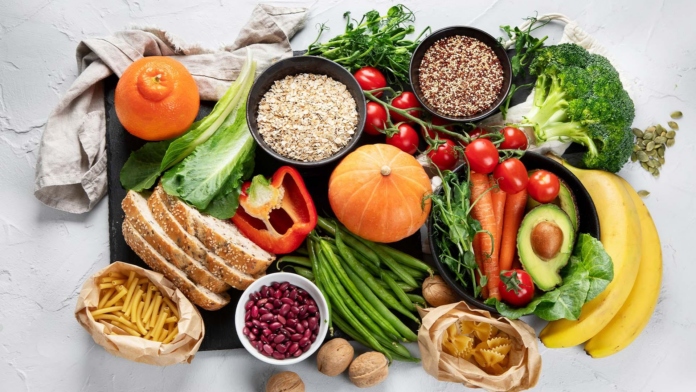
Healthy eating is not about following a strict diet or giving up all your favorite foods. It is about giving your body the nutrients it needs most of the time. A healthy diet can include vegetables, fruits, whole grains, beans, nuts, fish, eggs, lean meats, and healthy fats.
The World Health Organization says a healthy diet is built around four ideas: adequacy, balance, moderation, and variety. A healthy diet can also help protect against problems such as heart disease, diabetes, stroke, and some cancers.
The best part? You do not need to change everything at once.
Small food choices made each day can add up to a healthier lifestyle.
What Is Healthy Eating?
Healthy eating means choosing a variety of foods that provide the nutrients your body needs.
These nutrients include:
- Protein
- Carbohydrates
- Healthy fats
- Fiber
- Vitamins
- Minerals
- Water
A healthy diet also means limiting foods that are high in added sugar, sodium, and unhealthy fats.
There is no single diet that works for everyone. Your food needs can depend on your age, activity level, culture, health goals, and the foods available to you. The WHO also notes that healthy diets can look different from one person or culture to another.
So, instead of asking, “What diet should I follow?” try asking:
“How can I make my next meal a little healthier?”
That simple change in thinking can make healthy eating easier and more realistic.
1. Healthy Eating Can Give You More Energy
One of the first benefits of healthy eating you may notice is better energy.
Your body needs food for fuel. Carbohydrates are an important source of energy, but the type of carbohydrate matters. Foods such as whole grains, fruits, vegetables, and beans provide carbohydrates along with fiber and other nutrients.
Compare that with many highly processed foods. Foods and drinks that are high in added sugar may provide quick energy but may not keep you satisfied for long.
For steadier meals, try combining:
- Whole grains
- A source of protein
- Vegetables or fruit
- A small amount of healthy fat
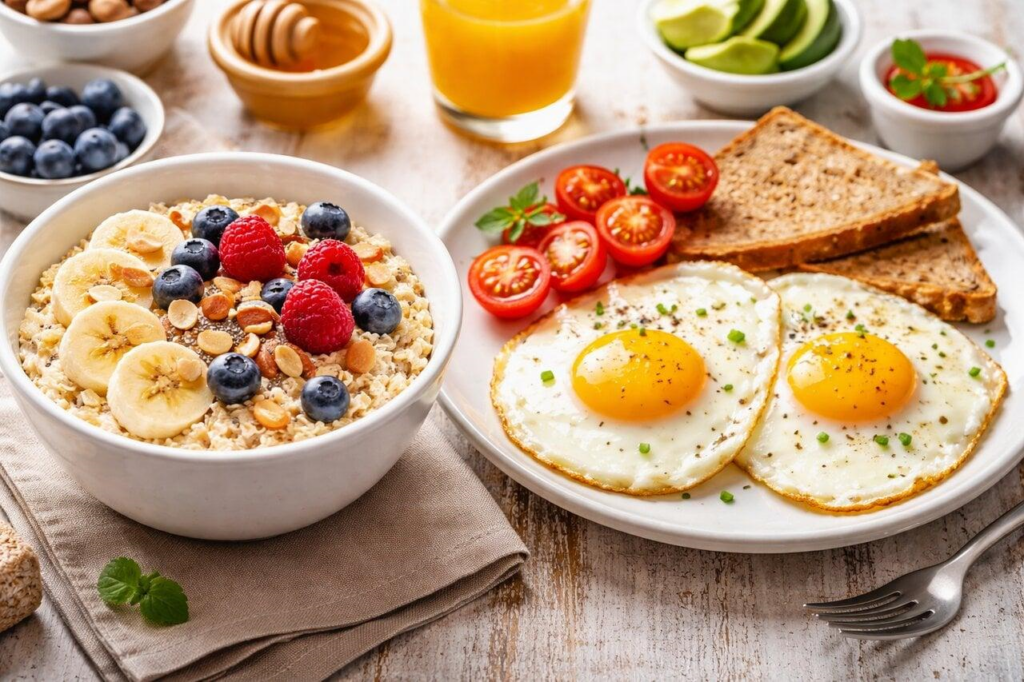
For example, you could have oatmeal with fruit and nuts for breakfast. For lunch, try brown rice with vegetables and grilled chicken or beans.
These simple meals can help you build a more balanced eating pattern.
2. Nutritious Foods Can Support Better Focus
Your brain needs nutrients to work properly.
What you eat does not magically make you smarter, but a balanced diet can help provide the nutrients your body and brain need each day.
Instead of relying on highly processed snacks throughout the day, try keeping nutritious options nearby.
Good choices include:
- Fresh fruit
- Unsalted nuts
- Yogurt
- Boiled eggs
- Beans
- Oatmeal
- Vegetable sticks
- Whole-grain crackers
A useful goal is to build meals around real, minimally processed foods whenever possible.
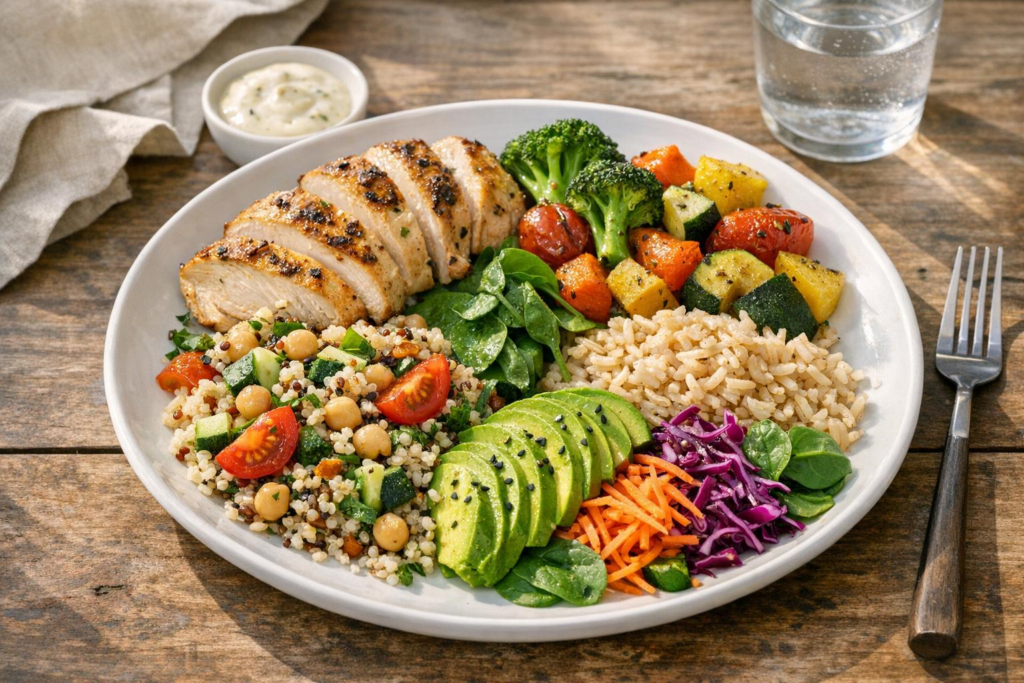
Harvard’s Healthy Eating Plate recommends making about half your plate vegetables and fruits, one quarter whole grains, and one quarter healthy protein.
That simple visual guide can make meal planning much easier.
3. A Healthy Diet Can Help Support Your Heart
Your heart works every minute of every day. Giving your body better food choices is one way to support long-term heart health.
A healthy diet is linked with a lower risk of several chronic diseases, including cardiovascular disease. The WHO recommends a varied diet that includes vegetables, fruits, whole grains, pulses, nuts, and other nutritious foods while limiting excess sodium, free sugars, and unhealthy fats.
Try adding more:
- Leafy green vegetables
- Beans and lentils
- Oats
- Brown rice
- Fish
- Nuts and seeds
- Fruits
- Healthy plant oils
You do not need to eat these foods perfectly every day. The goal is to make them regular parts of your diet.
4. Healthy Eating Can Support Better Digestion
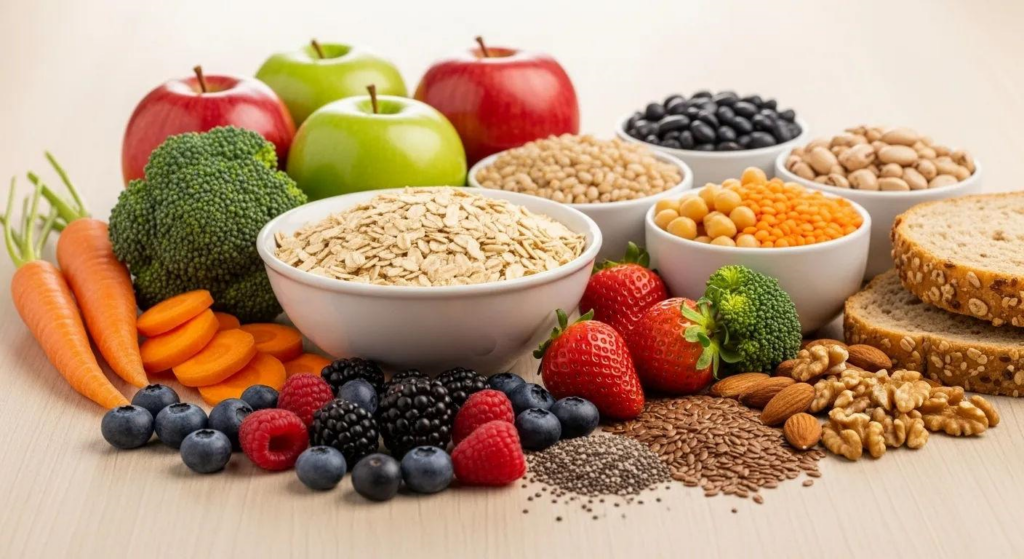
Your digestive system needs fiber, fluids, and a variety of foods.
Fiber is found naturally in foods such as fruits, vegetables, beans, and whole grains. The WHO recommends that adults and children over age 10 aim for at least 25 grams of naturally occurring dietary fiber each day.
You can increase your fiber intake by adding foods such as:
- Apples and pears
- Berries
- Beans
- Lentils
- Oats
- Brown rice
- Vegetables
- Whole-grain bread
When increasing fiber, it is also important to drink enough water.
If your current diet is low in fiber, increase it slowly. This can make the change easier on your digestive system.
5. Eating More Fruits and Vegetables Adds Important Nutrients
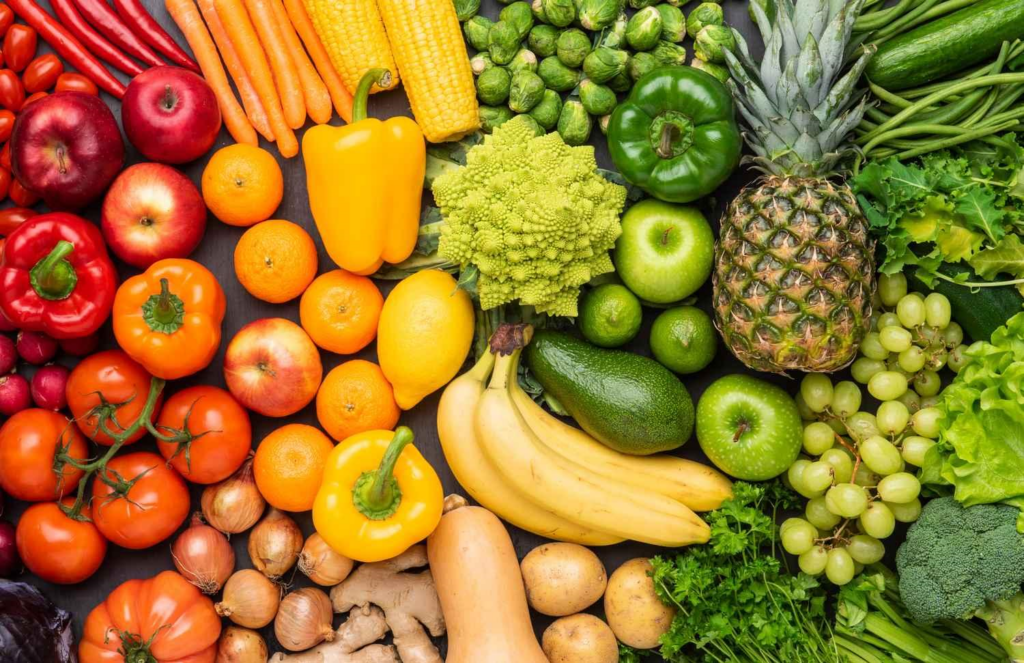
Fruits and vegetables are some of the easiest foods to add to a healthier diet.
They provide vitamins, minerals, fiber, and many plant compounds. Harvard notes that variety is important because different fruits and vegetables provide different nutrients.
Try eating different colors throughout the week.
For example:
Green: spinach, broccoli, green beans
Red: tomatoes, strawberries, red peppers
Orange: carrots, oranges, pumpkin
Purple: grapes, eggplant, cabbage
Yellow: bananas, corn, bell peppers
You do not need expensive superfoods.
Simple foods from your local market or grocery store can be excellent choices.
The WHO recommends that people over age 10 aim for at least 400 grams of fruits and vegetables each day.
Looking for easy ways to eat more vegetables? Check out our guide on adding vegetables to classic dishes for simple ideas that can make everyday meals more nutritious.
6. Healthy Eating Can Help You Feel Full for Longer
Do you often feel hungry soon after eating?
The problem may not always be how much you eat. It can also be what you eat.
Meals that contain protein and fiber can be more satisfying than meals made mostly from refined carbohydrates or sugary foods.
For example, instead of having a sweet pastry by itself, try:
Whole-grain toast + egg + fruit
Instead of chips as a snack, try:
Fruit + a small handful of nuts
Instead of a sugary drink, choose:
Water + a balanced meal
The goal is not to avoid every snack or treat. It is to create meals that give your body more useful nutrients.
7. Whole Grains Can Be a Smart Everyday Choice
Whole grains are another important part of healthy eating.
Examples include:
- Oats
- Brown rice
- Barley
- Quinoa
- Whole-wheat bread
- Whole-grain pasta
- Corn
Whole grains contain the bran, germ, and endosperm. This means they retain nutrients and fiber that can be lost when grains are heavily refined.
Try making simple swaps.
Instead of white rice every day, try brown rice sometimes.
Instead of white bread, choose whole-grain bread.
Instead of refined breakfast cereal, try oats with fruit.
You do not need to remove refined grains completely. Simply making more whole grains part of your normal routine can be a useful step.
8. Healthy Eating Can Help You Build Better Habits
One of the biggest benefits of healthy eating is that it can help create a positive cycle.
When you eat better, you may find it easier to make other healthy choices.
For example:
Healthy meal → better routine → more energy for activity → better sleep habits → easier healthy choices
This does not happen overnight.
The key is consistency.
Do not expect yourself to eat perfectly every day. Instead, focus on making good choices more often.
A healthy lifestyle is built from habits, not from one perfect meal.
9. Drinking More Water Can Improve Your Daily Routine
Food is only part of healthy nutrition.
Water is also essential.
It is easy to confuse thirst with hunger, especially when you are busy. Keeping water nearby can make it easier to drink throughout the day.
Harvard’s Healthy Eating Plate recommends water, tea, or coffee with little or no sugar as preferred drinks and advises limiting sugary beverages.
Simple ways to drink more water include:
- Keep a water bottle with you.
- Drink water with meals.
- Drink water when you wake up.
- Add lemon or fruit for flavor.
- Choose water instead of sugary drinks more often.
You do not need to make this complicated.
Make water the easy choice.
If you want another easy way to add fruits and vegetables to your diet, explore these 10 amazing benefits of green smoothies.
10. Healthy Eating Does Not Mean Giving Up Your Favorite Foods
This is one of the most important things to understand.
Healthy eating does not mean you can never eat pizza, dessert, fried food, or your favorite comfort meal again.
A healthy diet is about your overall eating pattern.
The WHO describes healthy eating in terms of balance, moderation, adequacy, and diversity.
That means there can be room for foods that are less nutritious.
The key is frequency and balance.
Instead of thinking:
“I can never eat this again.”
Think:
“I can enjoy this sometimes while making nutritious foods the main part of my diet.”
This mindset can make healthy eating much easier to maintain.
How to Build a Healthy Plate
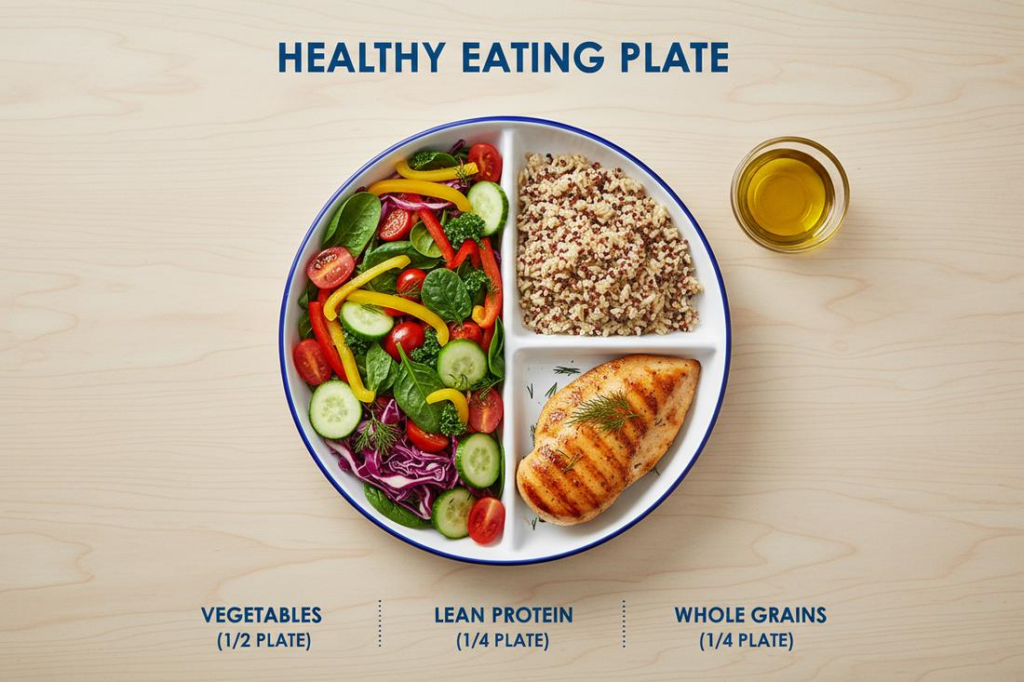
You do not need to count every calorie to make a better meal.
Try using a simple plate method.
Fill Half Your Plate With Fruits and Vegetables
Choose different colors and types.
Examples include:
- Broccoli
- Spinach
- Carrots
- Tomatoes
- Cucumber
- Apples
- Berries
- Papaya
- Mango
Harvard’s Healthy Eating Plate suggests making about half of your plate vegetables and fruits.
Add Whole Grains
Aim to make about one quarter of your meal whole grains.
Try:
- Brown rice
- Oats
- Quinoa
- Barley
- Whole-wheat pasta
Add Healthy Protein
The remaining quarter can include a healthy protein source.
Options include:
- Fish
- Chicken
- Eggs
- Beans
- Lentils
- Tofu
- Nuts
Harvard recommends fish, poultry, beans, and nuts as healthy protein choices and suggests limiting processed meats.
Easy Healthy Eating Habits to Start Today
You do not have to change your entire diet tomorrow.
Start with one or two small habits.
Try these:
- Add one extra serving of vegetables to lunch.
- Eat a piece of fruit instead of a sugary snack.
- Drink water instead of soda.
- Choose whole-grain bread.
- Add beans to soups, salads, or rice dishes.
- Keep healthy snacks ready.
- Cook at home more often.
- Read food labels.
- Use less salt when cooking.
- Eat slowly and pay attention to hunger and fullness.
Small changes are easier to repeat.
And repeated actions become habits.
A Simple Healthy Eating Example
Here is what one balanced day could look like:
Breakfast:
Oatmeal with banana, berries, and a small amount of nuts.
Lunch:
Brown rice, grilled fish or beans, and a large serving of mixed vegetables.
Snack:
An apple and a small handful of unsalted nuts.
Dinner:
Chicken or tofu with vegetables and whole grains.
Drinks:
Mostly water, with unsweetened tea or coffee if desired.
This is only an example. Your meals should fit your needs, budget, culture, and preferences.
The important idea is balance.
Healthy Eating on a Busy Schedule
Busy days can make healthy eating harder.
When you are tired or rushed, fast food may seem like the only option.
Planning ahead can help.
Try preparing a few basic foods in advance:
- Cook a batch of brown rice or another whole grain.
- Wash and cut vegetables.
- Keep fruit where you can see it.
- Cook eggs ahead of time.
- Prepare beans or lean protein.
- Keep healthy snacks at work or home.
You can then mix and match ingredients to create quick meals.
For example:
Rice + vegetables + eggs
Whole-grain bread + chicken + salad
Oats + fruit + nuts
Healthy food does not have to mean complicated recipes.

What Does a Healthy Eating Lifestyle Look Like?
A healthy eating lifestyle is flexible.
It allows you to enjoy food while giving your body plenty of nutritious choices.
It also recognizes that real life happens.
You may have a birthday party.
You may eat at a restaurant.
You may have a busy workday.
You may choose dessert.
That is okay.
One meal will not determine your health.
What matters more is what you do most of the time.
Think about your diet as a long-term pattern rather than a short-term challenge.
Start Improving Your Diet One Meal at a Time
Healthy eating can improve more than what is on your plate.
It can change how you plan your day, shop for food, prepare meals, and think about your health.
You may start by adding more vegetables.
Then you may begin drinking more water.
Next, you may replace some refined grains with whole grains.
Over time, these small choices can become normal.
The goal is progress, not perfection.
The World Health Organization emphasizes that a healthy diet should be varied and based mainly on nutritious, minimally processed foods while limiting excess unhealthy fats, free sugars, and sodium.
For more evidence-based nutrition guidance, visit the World Health Organization’s healthy diet guidance and Harvard T.H. Chan School of Public Health’s Healthy Eating Plate.
Final Thoughts: Make Healthy Eating Part of Your Everyday Life
Healthy eating is not about being perfect.
It is about making better choices more often.
A balanced diet can help you get important nutrients, support your energy, improve your eating habits, and support long-term health. Eating more fruits, vegetables, whole grains, beans, nuts, and healthy protein sources is a simple place to begin.
You do not need to change everything today.
Start with one meal.
Add a vegetable.
Choose water.
Pick a whole grain.
Eat a piece of fruit.
Then do it again tomorrow.
Your everyday choices matter.
What is one healthy eating habit you would like to start this week? Share your goal in the comments and inspire someone else to make a healthier choice, too.