

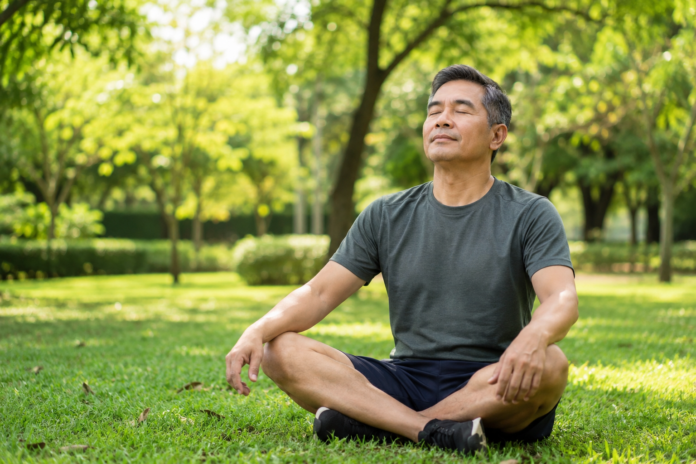
Stress is a normal part of life. Work, family, money, health, relationships, and daily responsibilities can all make us feel overwhelmed. A little stress can help you stay alert and get things done. But too much stress, especially when it lasts for a long time, can affect your body and mind.
The good news is that you do not need to make huge changes to start feeling better. Simple habits can help you slow down, clear your mind, and handle stressful moments in a healthier way.
The World Health Organization (WHO) recommends practical stress management skills that can be practiced for just a few minutes each day.
Building a healthy daily routine can also make it easier to manage everyday stress and create time for relaxation. Learn how to create a daily routine that supports your mental and physical health.
In this guide, you will discover 15 simple stress relief techniques you can try today. Most require little time, money, or equipment. Pick one or two that feel easy and make them part of your daily routine.
What Is Stress?
Stress is your body’s response to a challenge or demand. When you feel threatened or under pressure, your body can enter a state of high alert. Your heart may beat faster, your muscles may tense, and your thoughts may become more focused on the problem.
This response can be useful for short periods. However, long-term stress can affect both physical and mental health. The American Psychological Association notes that chronic stress can have harmful effects when the body’s stress response stays active for too long.
Common signs of stress include:
- Feeling worried or restless
- Trouble sleeping
- Headaches or muscle tension
- Feeling tired
- Difficulty focusing
- Becoming easily irritated
- Changes in appetite
- Feeling overwhelmed
Learning simple ways to manage stress can help you respond to these feelings before they become harder to handle.
15 Stress Relief Techniques You Can Try Today
1. Take Slow, Deep Breaths

One of the easiest stress relief techniques is controlled breathing.
When you feel stressed, your breathing may become fast and shallow. Slowing it down can give you a moment to pause and focus.
Try this simple exercise:
- Sit in a comfortable position.
- Breathe in slowly through your nose.
- Let your belly expand as you breathe in.
- Slowly breathe out.
- Repeat for one to five minutes.
Do not worry about doing it perfectly. The goal is simply to slow down and pay attention to your breathing.
The CDC lists deep breathing, stretching, and meditation among simple ways to make time to unwind.
2. Go for a Short Walk
You do not need a long workout to move your body.
A short walk can give you a break from stressful thoughts. Walk around your neighborhood, office, garden, or a nearby park.
Try leaving your phone in your pocket for a few minutes. Notice what you see, hear, and feel around you.
Regular physical activity is also linked with better emotional well-being. The NIH recommends regular exercise as one way to manage stress.
Even a 10-minute walk can be a good place to start.
3. Try a Five-Minute Mindfulness Break
Mindfulness means paying attention to the present moment without judging yourself.
You can practice mindfulness almost anywhere.
Sit quietly and focus on:
- Your breathing
- Sounds around you
- How your feet feel on the floor
- The temperature of the air
- Sensations in your body
When your mind starts thinking about the past or future, gently bring your attention back to the present.
You do not need to empty your mind. Instead, simply notice your thoughts and let them pass.
The CDC describes mindfulness as being aware of what is happening inside and around you while staying in the present moment.
4. Write Down What Is Bothering You
Sometimes stress feels worse because too many thoughts are running through your head.
Writing them down can help make them feel more manageable.
Grab a notebook or open a blank page on your computer. Write down what is worrying you without worrying about grammar or structure.
Then ask:
“What can I actually control?”
Separate your concerns into two groups:
- Things you can control
- Things you cannot control
Focus your energy on the first group.
Journaling is also included among the CDC’s suggested ways to manage stress.
5. Practice Progressive Muscle Relaxation
Stress can make your muscles tense without you noticing.
Progressive muscle relaxation is a simple exercise that involves tightening and then relaxing different muscle groups.
For example, gently tighten your shoulders for several seconds. Then release them and notice the difference.
You can slowly work through your:
- Hands
- Arms
- Shoulders
- Face
- Stomach
- Legs
- Feet
The American Psychological Association includes progressive muscle relaxation among healthy tools for managing stress.
This technique can be especially useful when stress shows up as physical tension.
6. Listen to Calming Music
Music can change your mood and create a break from a stressful environment.
Choose something that helps you feel calm. It could be soft instrumental music, nature sounds, classical music, or one of your favorite relaxing songs.
Close your eyes for a few minutes and focus only on the music.
This simple activity can become part of your evening routine or a short break during a busy workday.
The key is to use music as a chance to slow down rather than as another background distraction.
7. Spend Time Outside

Fresh air and a change of scenery can help you step away from stressful thoughts.
You could:
- Sit on a balcony
- Walk through a park
- Garden
- Watch the clouds
- Sit under a tree
- Take your lunch outside
You do not need to plan a special outdoor trip. Even a few quiet minutes outside can give your mind a break.
The CDC recommends spending time outdoors, either by being active or relaxing, as part of healthy stress management.
8. Talk to Someone You Trust
Stress can feel heavier when you keep everything to yourself.
Talking with someone you trust can give you emotional support. This could be a friend, family member, partner, teacher, coworker, or counselor.
You do not always need someone to solve your problem.
Sometimes you simply need someone to listen.
Try saying:
“I’ve been feeling stressed lately. Can I talk to you about it?”
The CDC and NIH both highlight social connection and support as helpful parts of emotional well-being and stress management.
9. Take a Break From Your Phone

Constant notifications, messages, emails, and social media can make it hard for your mind to rest.
Try taking a short digital break.
For 15 to 30 minutes, put your phone away and turn off unnecessary notifications.
Use that time to:
- Stretch
- Walk
- Read
- Cook
- Talk with someone
- Sit quietly
- Enjoy a hobby
You do not have to delete social media or stop using your phone. The goal is simply to create periods when your mind is not constantly reacting to new information.
10. Get Enough Sleep
Stress and poor sleep can create a difficult cycle.
You feel stressed, so you sleep poorly. Then you wake up tired, which can make the next day feel even more stressful.
Making sleep a priority can help break that cycle.
For most healthy adults, the CDC recommends at least seven hours of sleep each night. Keeping a regular bedtime and wake-up time can also support better sleep.
Try creating a simple bedtime routine:
- Go to bed at about the same time each night.
- Keep your bedroom comfortable and quiet.
- Reduce screen time before bed.
- Avoid working right before bedtime.
- Give yourself enough time to sleep.
Good sleep is not a luxury. It is an important part of taking care of your body and mind.
11. Practice Gratitude

When you are stressed, your mind may focus on everything that is going wrong.
A gratitude practice can help you notice positive parts of your life.
At the end of the day, write down three things you are thankful for.
They do not need to be big.
You might write:
- “I had a good cup of coffee this morning.”
- “My friend checked on me.”
- “I finished an important task.”
- “The weather was nice.”
- “I had time to rest.”
The CDC recommends practicing gratitude as part of healthy emotional well-being.
12. Break Big Tasks Into Smaller Steps
A long to-do list can make stress worse.
Instead of thinking about everything at once, choose one small task.
For example, instead of saying:
“I need to clean the entire house.”
Start with:
“I will clean the kitchen table for 10 minutes.”
Small wins can make large tasks feel less overwhelming.
You can also divide your daily list into three groups:
Must Do
Tasks that need attention today.
Should Do
Important tasks that can wait if needed.
Can Wait
Tasks that are not urgent.
Setting priorities is one of the stress-management strategies recommended by the NIH.
13. Try a Grounding Exercise
Grounding can help when your thoughts feel scattered or overwhelming.
One simple method is the 5-4-3-2-1 technique.
Notice:
- 5 things you can see
- 4 things you can touch
- 3 things you can hear
- 2 things you can smell
- 1 thing you can taste
The exercise brings your attention back to your surroundings.
Grounding is also one of the practical stress-management skills included in the WHO’s stress guide.
If the full exercise feels like too much, simply notice three things around you. The goal is to reconnect with the present moment.
14. Do Something You Enjoy
Stress relief does not always have to look like meditation or exercise.
Fun matters too.
Spend some time doing an activity that makes you feel good.
You could:
- Read a book
- Draw
- Cook
- Garden
- Play an instrument
- Watch a funny show
- Play with a pet
- Do a craft
- Take photographs
- Spend time with friends
Schedule enjoyable activities instead of waiting until you have “free time.”
Even 15 minutes can give you something positive to look forward to.
15. Be Kind to Yourself
One of the most overlooked stress relief techniques is self-compassion.
When something goes wrong, notice how you talk to yourself.
Would you speak to a close friend the same way?
If not, try changing your inner voice.
Instead of:
“I always mess things up.”
Try:
“This is difficult, but I can take it one step at a time.”
Being kind to yourself does not mean ignoring problems. It means dealing with problems without adding unnecessary self-criticism.
The WHO includes being kind to yourself among its practical stress-management skills.
How to Choose the Best Stress Relief Technique for You
There is no single stress relief technique that works for everyone.
The best approach is to try different options and notice what helps you.
For quick stress relief, try:
- Deep breathing
- Grounding
- Mindfulness
- Progressive muscle relaxation
If you feel mentally overwhelmed, try:
- Journaling
- Talking to someone
- Breaking tasks into smaller steps
- Taking a phone break
If you feel physically tense, try:
- Walking
- Stretching
- Progressive muscle relaxation
- Spending time outdoors
If you feel tired or drained, focus on:
- Better sleep
- Rest
- Enjoyable activities
- Social connection
The WHO notes that these types of skills can be practiced for only a few minutes each day.
How to Make Stress Relief a Daily Habit
Knowing stress relief techniques is helpful. Actually using them is even more important.
Start small.
Do not try all 15 techniques at once. Choose one that feels easy and practice it today.
For example:
Morning: Take five slow breaths.
Afternoon: Take a 10-minute walk.
Evening: Write down three things you are grateful for.
After a week, ask yourself what helped most.
You can then build a simple routine around the techniques that work best for you.
Remember, stress management is not about creating a perfect life. Stress will still happen. The goal is to build healthy ways to respond when it does.
When Should You Get Help for Stress?
Simple stress relief techniques can be useful, but they are not a replacement for professional care when you need it.
Consider talking with a qualified health or mental health professional if stress feels difficult to manage or starts affecting your daily life.
You should take persistent problems with sleep, mood, work, relationships, or daily functioning seriously.
If you feel unable to cope, or you are having thoughts of harming yourself, seek professional help or emergency support right away. The NIH recommends seeking help from a mental health professional when you feel unable to cope or have suicidal thoughts.
Asking for help is not a sign of weakness. It is a healthy step toward taking care of yourself.
Final Thoughts: Start With One Small Step
Stress is part of life, but you do not have to let it control every day.
Simple actions can create moments of calm. A few slow breaths, a short walk, a good night’s sleep, or a conversation with someone you trust can be a useful place to start.
The most important thing is consistency.
You do not need a complicated routine. Choose one stress relief technique from this list and try it today. If it helps, keep using it. Then add another healthy habit when you are ready.
For more evidence-based guidance, explore the World Health Organization’s Doing What Matters in Times of Stress guide, which offers practical skills for coping with stress. You can also review the American Psychological Association’s healthy ways to handle life’s stressors and the CDC’s stress management resources for additional tips.
Which of these 15 stress relief techniques will you try today? Share your favorite in the comments and tell us what works best for you.