


Wondering how much exercise do you really need each day? You are not alone. With busy jobs, family duties, and long days at home or at work, finding time to exercise can feel hard.
The good news is that you do not need to spend hours at the gym every day. You also do not need a perfect workout plan to improve your health.
For most adults, health experts recommend 150 to 300 minutes of moderate-intensity aerobic activity each week, or 75 to 150 minutes of vigorous activity. Adults should also do muscle-strengthening activities on at least two days each week.
That may sound like a lot at first. But when you break it into smaller pieces, it becomes much easier.
So, how much exercise do you really need each day? Let’s look at the guidelines, the best types of exercise, and simple ways to make movement part of your daily life.
How Much Exercise Do You Really Need Each Day?
There is no single number of minutes that works for everyone.
Instead, health guidelines focus on your total activity across the week.
For most healthy adults ages 18 to 64, the World Health Organization recommends:
- 150 to 300 minutes of moderate aerobic activity per week
- Or 75 to 150 minutes of vigorous aerobic activity per week
- Or a combination of moderate and vigorous activity
- Muscle-strengthening activities at least 2 days per week
This works out to about:
- 22 minutes of moderate exercise each day if you exercise daily
- 30 minutes of moderate exercise on 5 days each week
- 25 minutes of vigorous exercise on 3 days each week
- Or another mix that fits your schedule
The key point is that you do not have to exercise for a full hour every day.
Even short periods of movement can help you become more active.
The U.S. Department of Health and Human Services also emphasizes that adults should move more and sit less. The current guidelines continue to recommend 150 to 300 minutes of moderate activity each week, along with muscle-strengthening activity on at least two days.
What Counts as Moderate Exercise?

Moderate exercise raises your heart rate and makes you breathe faster, but you can still talk.
A simple way to think about it is this: you can talk, but singing a full song may be difficult.
Examples of moderate exercise include:
- Brisk walking
- Easy cycling
- Dancing
- Swimming at a comfortable pace
- Water aerobics
- Fast household chores
- Gardening
- Walking up and down stairs
- Recreational activities that make you move
You do not need expensive equipment for most of these activities.
A brisk 30-minute walk can be enough to contribute to your weekly exercise goal.
World Health Organization: Physical Activity
What Counts as Vigorous Exercise?
Vigorous exercise makes your heart beat faster and your breathing much harder.
During vigorous activity, talking in full sentences may become difficult.
Examples include:
- Running
- Fast cycling
- Swimming laps
- Jumping rope
- Aerobic classes
- Hiking uphill
- Playing fast-paced sports
- High-intensity interval training
Because vigorous exercise is more intense, you need less of it to reach the weekly recommendation.
For example, 75 minutes of vigorous activity per week can provide a similar basic aerobic target to 150 minutes of moderate activity.
However, intensity should be increased gradually if you are new to exercise.
Do You Need to Exercise Every Day?
No.
You do not have to work out every single day to be healthy.
The recommended activity is measured over the week, not one perfect day.
For example, you could do it like this:
Monday: 30-minute brisk walk
Tuesday: 25-minute strength workout
Wednesday: 30-minute brisk walk
Thursday: Rest or light movement
Friday: 30-minute bike ride
Saturday: 30-minute walk and strength workout
Sunday: Rest or gentle activity
This gives you a mix of aerobic activity and strength training without requiring a long workout every day.
The best exercise schedule is one you can follow consistently.
Why Daily Physical Activity Matters
Regular exercise can benefit almost every part of your health.
Physical activity can support heart health, help manage blood sugar, strengthen muscles and bones, and improve overall well-being. It can also help reduce symptoms of depression and anxiety.
Here are some of the main benefits.
1. Supports Heart Health
Your heart is a muscle.
When you exercise, your heart works harder to move blood around your body. Regular aerobic activity can help support cardiovascular health.
Walking, cycling, swimming, and dancing are simple ways to get your heart working.
2. Helps Build Strong Muscles
Strength training is not only for bodybuilders.
Everyday movements such as lifting groceries, climbing stairs, carrying bags, and getting up from a chair rely on muscle strength.
Strength exercises can include:
- Squats
- Lunges
- Push-ups
- Resistance-band exercises
- Bodyweight exercises
- Weight lifting
- Planks
U.S. physical activity guidance recommends strength exercises that work the major muscle groups on at least two days each week.
3. Supports Bone Health
Weight-bearing activities can help support strong bones.
Walking, jogging, dancing, stair climbing, and resistance training are examples of activities that put healthy stress on your bones and muscles.
Strength training can also help maintain muscle mass as you get older.
4. Can Support Mental Well-Being
Exercise is not only about physical fitness.
Moving your body can help improve mood and support mental well-being. Regular physical activity is also linked with reduced symptoms of depression and anxiety.
A short walk outside may be enough to give you a break from a stressful day.
5. Can Help With Weight Management
Exercise uses energy and can support a healthy body weight when combined with healthy eating habits.
However, more exercise is not always the answer to weight concerns.
A balanced approach that includes regular movement, nutritious foods, sleep, and healthy habits is usually more useful than trying to exercise as much as possible.
How Much Exercise Should You Get in One Day?
If you want a simple daily target, aim for around 20 to 30 minutes of moderate activity on most days.
But remember: this is a practical way to reach the weekly goal, not a strict daily rule.
You can also divide your activity into smaller sessions.
For example:
- 10-minute morning walk
- 10-minute walk after lunch
- 10-minute evening walk
Together, that is 30 minutes.
This approach can be helpful if you have a busy schedule or do not enjoy long workouts.
The WHO notes that physical activity can come from many parts of daily life, including transportation, work, household tasks, recreation, and planned exercise.
Does Walking Count as Exercise?

Absolutely.
Walking is one of the easiest ways to increase daily physical activity.
A brisk walk can count as moderate aerobic activity. You can walk outdoors, around your neighborhood, at work, or on a treadmill.
Try adding more walking by:
- Taking the stairs
- Parking farther away
- Walking while talking on the phone
- Taking a short walk after meals
- Walking to nearby places instead of driving
- Taking a 5- to 10-minute movement break during the workday
You do not need to make every walk a workout.
The goal is to spend less time sitting and more time moving.
How Much Strength Training Do You Need?
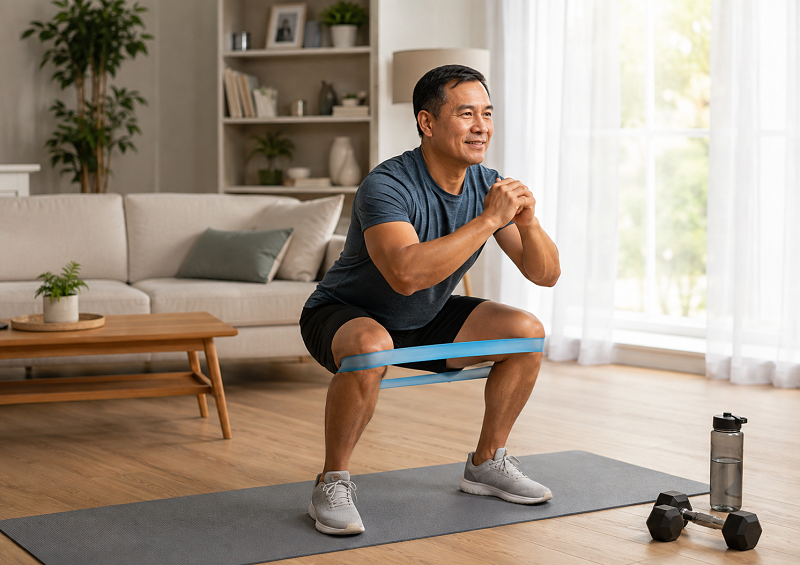
Aerobic exercise is important, but strength training matters too.
Adults should perform muscle-strengthening activities on at least two days each week. These activities should work the major muscle groups, including the legs, hips, back, chest, abdomen, shoulders, and arms.
A simple full-body strength session might include:
- Squats for the legs
- Push-ups for the chest and arms
- Rows for the back
- Lunges for the legs
- Shoulder presses
- Planks for the core
You can use weights, resistance bands, gym machines, or your own body weight.
If you are new to strength training, start with a level that feels manageable. Focus on good form and increase the challenge slowly.
What About People Over 65?
Older adults have similar basic aerobic exercise goals, but balance and functional movement become more important.
The WHO recommends that adults 65 and older follow the same basic aerobic and strength guidelines. Older adults should also include activities that focus on balance and functional strength on three or more days per week, especially when needed to improve physical function and reduce fall risk.
Good choices may include:
- Walking
- Strength exercises
- Gentle dancing
- Balance exercises
- Tai chi
- Chair exercises
- Water exercise
The right activity depends on fitness level, mobility, and health needs.
What If You Are New to Exercise?
You do not have to start at 150 minutes right away.
If you have been inactive, begin with small amounts and build slowly.
For example:
Week 1: Walk for 10 minutes, 3 days
Week 2: Walk for 10 to 15 minutes, 4 days
Week 3: Walk for 20 minutes, 4 days
Week 4: Work toward 20 to 30 minutes on most days
This can make exercise feel less overwhelming.
The WHO advises inactive adults to start with small amounts of activity and gradually increase the duration, frequency, and intensity over time.
Remember, some activity is better than none.
What If You Sit All Day?
A workout does not completely cancel out long periods of sitting.
If you work at a desk, look for ways to move throughout the day.
Try:
- Standing during phone calls
- Walking during breaks
- Stretching between tasks
- Using stairs when possible
- Taking short movement breaks
- Walking to speak with a coworker instead of sending a message
- Doing light chores during breaks
The goal is simple: move more and sit less.
You do not need to turn every break into a hard workout.
Can You Exercise Too Much?
More exercise is not always better.
Increasing activity too quickly can leave you tired and may raise the risk of overuse injuries.
Signs that you may need more recovery include:
- Constant muscle soreness
- Unusual fatigue
- Poor sleep
- A drop in performance
- Loss of motivation
- Pain that does not improve
Rest is part of a healthy exercise routine.
Your body needs time to recover, especially after hard workouts.
If you have a medical condition, an injury, or concerns about starting a new exercise program, talk with a qualified health professional about what is safe for you.
A Simple Weekly Exercise Plan
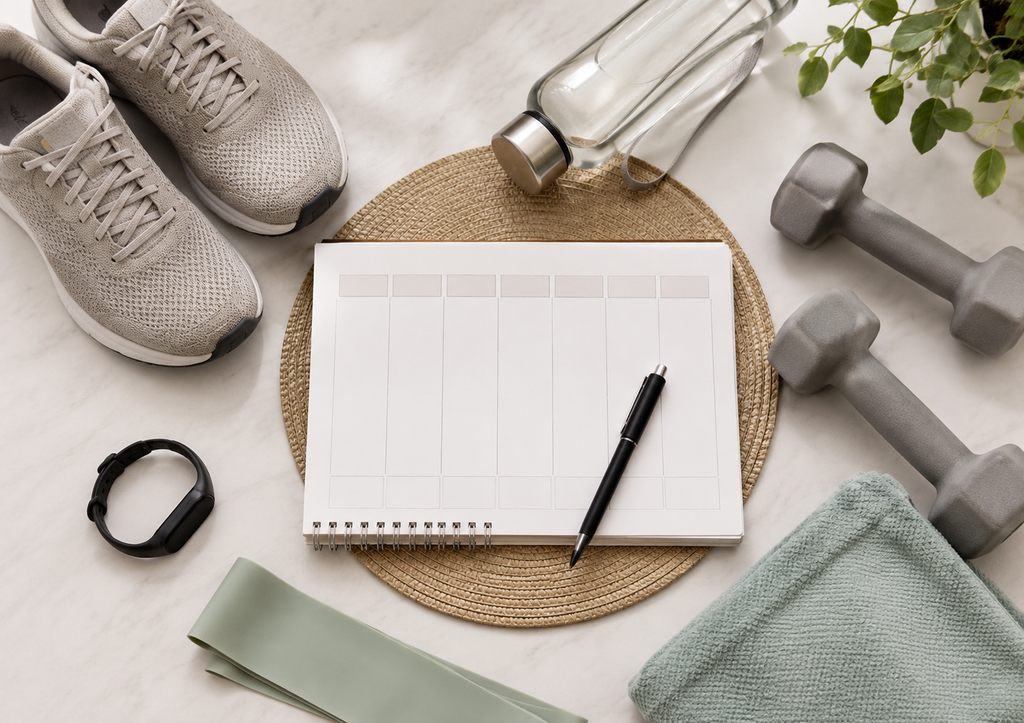
You can use this sample plan as a starting point.
Monday: Brisk Walking
Walk for 30 minutes at a pace that makes you breathe faster but still lets you talk.
Tuesday: Strength Training
Spend 20 to 30 minutes working your major muscle groups.
Wednesday: Brisk Walking
Take another 30-minute walk.
Thursday: Light Activity
Try gentle stretching, easy walking, household chores, or another activity you enjoy.
Friday: Cardio
Walk, cycle, swim, dance, or jog for about 30 minutes.
Saturday: Strength and Movement
Complete a short strength workout, then take an easy walk.
Sunday: Recovery
Take a rest day or enjoy gentle movement.
This is only an example. You can change the activities and times to fit your lifestyle.
How to Make Exercise a Daily Habit
Knowing how much exercise you need is one thing.
Actually doing it is another.
The best way to stay active is to make exercise easy to start.
Choose Activities You Enjoy
You are more likely to keep exercising if you like what you are doing.
Try different activities until you find something that feels fun.
Keep It Simple
You do not need a complicated workout.
A pair of comfortable shoes and a safe place to walk may be enough to get started.
Schedule Your Workouts
Put exercise on your calendar like any other important task.
A planned 20-minute walk is easier to complete than a workout you hope to fit in later.
Start Small
If 30 minutes feels difficult, start with 10.
Once 10 minutes becomes easy, add more time.
Track Your Progress
Keep a simple record of your walks, workouts, or active days.
Seeing your progress can help you stay motivated.
The Bottom Line: How Much Exercise Do You Really Need Each Day?
So, how much exercise do you really need each day?
For most adults, a useful target is about 20 to 30 minutes of moderate activity on most days, adding up to at least 150 minutes each week. You can also choose 75 to 150 minutes of vigorous activity each week or combine moderate and vigorous exercise. Add strength training on at least two days each week.
But do not let the numbers discourage you.
You do not need to be perfect.
A 10-minute walk is better than sitting for another 10 minutes. A short strength workout is better than skipping movement because you cannot spend an hour at the gym.
The most important step is to start moving and keep going.
Conclusion: Make Movement Part of Your Everyday Life
Exercise does not have to mean long gym sessions, intense workouts, or complicated routines.
For most adults, the goal is simple: get regular aerobic activity, strengthen your muscles at least twice a week, and look for ways to move more throughout the day.
Start with something you can do today.
Take a walk. Stretch. Dance to your favorite song. Take the stairs. Do a short bodyweight workout.
Then do it again tomorrow.
Small actions can become lasting habits when you make them part of your routine.
What is your favorite way to stay active? Do you prefer walking, strength training, cycling, dancing, or another activity? Share your favorite exercise habit in the comments and inspire someone else to get moving!