

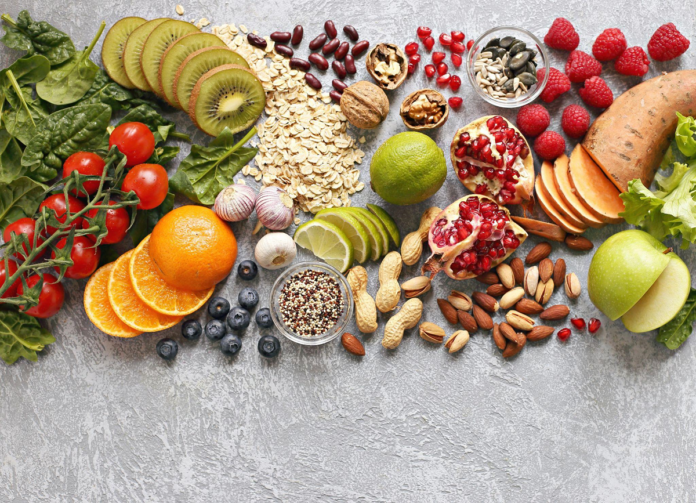
Eating well does not have to mean following a strict diet or giving up your favorite foods. In fact, some of the best foods for your health are simple, affordable, and easy to find.
The right everyday foods can help support steady energy, healthy digestion, and overall wellness. Foods such as oats, bananas, eggs, yogurt, leafy greens, beans, berries, nuts, seeds, and whole grains provide important nutrients your body needs each day.
A healthy eating pattern is about more than one “superfood.” It is about eating a wide range of nutritious foods and building balanced meals. Harvard’s Healthy Eating Plate recommends making about half your plate vegetables and fruits, one-quarter whole grains, and one-quarter healthy protein.
In this guide, we will explore the best everyday foods for energy, digestion, and wellness and show you simple ways to make them part of your routine.
Why Everyday Food Choices Matter
Your body needs fuel throughout the day. Food gives you energy, but it also provides the nutrients needed for many important body functions.
Carbohydrates are one of the body’s main sources of energy. However, the quality of the carbohydrate matters. Whole grains, fruits, vegetables, and beans provide carbohydrates along with fiber, vitamins, minerals, and other helpful plant compounds.
Protein is also important. It helps maintain muscles and supports many processes in the body. Healthy protein choices include eggs, fish, poultry, beans, nuts, and seeds.
Fiber is especially useful for digestive health. It adds bulk to food and can help support regular bowel movements. Good sources include fruits, vegetables, whole grains, nuts, and seeds.
The goal is not perfection. Instead, focus on making small food choices that you can repeat every day.
1. Oats for Steady Energy and Better Digestion
Oats are one of the easiest foods to add to a healthy breakfast.
They contain carbohydrates that provide energy, as well as fiber that can help you feel full. Whole grains such as oats are also a key part of a balanced eating pattern.
Oats can be especially useful when you want a breakfast that keeps you satisfied through the morning.
Easy ways to eat oats
Try:
- Oatmeal topped with berries and nuts
- Overnight oats with yogurt
- Oats with banana and cinnamon
- A smoothie with oats, fruit, and yogurt
- Homemade oatmeal energy bites
Choose plain oats when possible. You can then add fruit, nuts, seeds, or a small amount of natural sweetener for flavor.
2. Bananas for Quick and Convenient Energy
Bananas are an easy snack when you need something simple.
They provide carbohydrates and are naturally sweet. They also contain potassium, an important mineral involved in normal muscle and nerve function.
A banana can work well before a workout, during a busy morning, or as part of breakfast.
Simple banana combinations
For a more balanced snack, pair a banana with:
- Peanut or almond butter
- Plain yogurt
- Oatmeal
- Nuts and seeds
- Whole-grain toast
Combining carbohydrate-rich foods with protein or healthy fats can make a snack more satisfying.
3. Eggs for Protein and Lasting Fullness
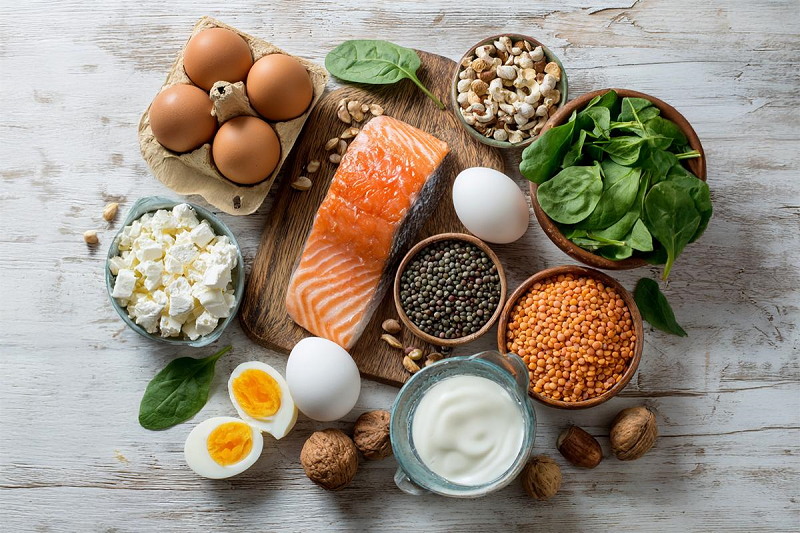
Eggs are a convenient source of protein and can fit into many meals.
A protein-rich breakfast may help you feel satisfied and can make it easier to avoid constant snacking during the morning.
Eggs are also easy to prepare. You can boil them ahead of time or add them to a vegetable omelet.
Try these healthy egg meals
- Scrambled eggs with spinach and tomatoes
- Boiled eggs with whole-grain toast
- Vegetable omelet
- Egg and avocado toast
- Eggs with brown rice and vegetables
For a balanced meal, combine eggs with vegetables and a whole grain.
4. Yogurt for Digestive and Overall Wellness
Yogurt can be a useful addition to a healthy diet because it provides protein and calcium. Some yogurts also contain live cultures known as probiotics.
Harvard Health notes that yogurt can provide protein, calcium, and live cultures.
However, not every yogurt product is the same. Some flavored varieties can contain a lot of added sugar.
How to choose yogurt
Look for:
- Plain or lightly sweetened yogurt
- A good amount of protein
- Live cultures
- Low amounts of added sugar
Add berries, banana, oats, chia seeds, or nuts for extra flavor and nutrients.
If you have trouble digesting dairy, consider a suitable non-dairy yogurt instead.
5. Berries for Antioxidants and Fiber
Berries are small, but they can add a lot of nutrition to your meals.
Strawberries, blueberries, raspberries, and blackberries provide fiber and plant compounds. Eating a variety of fruits and vegetables is encouraged because different foods provide different nutrients and plant compounds.
Berries are also easy to add to meals.
Add berries to your day
Try them in:
- Oatmeal
- Yogurt
- Smoothies
- Whole-grain pancakes
- Salads
- Chia pudding
Frozen berries can be a practical choice when fresh berries are expensive or unavailable.
6. Leafy Green Vegetables for Daily Wellness
Leafy greens are another excellent everyday food.
Spinach, kale, bok choy, lettuce, and other leafy vegetables provide vitamins, minerals, fiber, and plant compounds.
Harvard recommends eating a variety of vegetables and fruits instead of relying on one type.
Easy ways to eat more leafy greens
You can:
- Add spinach to scrambled eggs
- Mix greens into a smoothie
- Add lettuce to sandwiches
- Stir bok choy into soups
- Make a large salad for lunch
- Add cooked greens to rice or pasta
You do not need to eat a huge salad every day. Adding one extra handful of greens to a meal is a simple place to start.
7. Beans for Fiber, Protein, and Energy
Beans are one of the most useful foods for a healthy diet.
Black beans, kidney beans, chickpeas, lentils, and other legumes provide protein and fiber. Harvard Health lists legumes as excellent sources of fiber, folate, and protein.
Their combination of nutrients can make them a filling choice for lunch or dinner.
Easy bean meals
Try:
- Bean and vegetable soup
- Chickpea salad
- Lentil curry
- Black bean tacos
- Beans with brown rice
- Hummus with vegetables
If you are not used to eating a lot of fiber, increase your intake slowly. A sudden increase can cause gas or bloating.
8. Whole Grains for Sustained Energy
Whole grains are an important source of energy and fiber.
Good options include:
- Brown rice
- Oats
- Barley
- Quinoa
- Whole-wheat bread
- Whole-grain pasta
Whole and intact grains generally have a milder effect on blood sugar than refined grains such as white bread and white rice.
This does not mean you can never eat refined grains. Instead, try replacing some refined grain foods with whole-grain options.
Simple whole-grain swaps
Instead of:
- White bread → whole-grain bread
- White rice → brown rice or another whole grain
- Refined cereal → oatmeal
- Regular pasta → whole-grain pasta
Small swaps can make healthy eating easier to maintain.
9. Nuts and Seeds for Healthy Fats
Nuts and seeds are convenient foods that provide healthy fats, protein, fiber, vitamins, and minerals.
Good choices include:
- Almonds
- Walnuts
- Peanuts
- Pumpkin seeds
- Chia seeds
- Flaxseeds
- Sunflower seeds
Because nuts and seeds are energy-dense, you do not need a large amount. A small handful can be enough for a snack or meal topping.
Ways to use nuts and seeds
Sprinkle them over oatmeal or yogurt. Add them to salads. Blend them into smoothies. Or keep a small portion nearby for a quick snack.
10. Avocados for Healthy Fats and Fiber
Avocados can add creamy texture and healthy fats to meals.
They also provide fiber, which can support digestive health.
Instead of using avocado only for special meals, make it part of your regular routine.
Try:
- Avocado on whole-grain toast
- Avocado with eggs
- Avocado in salads
- Guacamole with vegetables
- Avocado in grain bowls
Pairing avocado with whole grains, vegetables, and protein can create a satisfying meal.
11. Fatty Fish for Protein and Healthy Fats
Salmon, sardines, mackerel, and other fatty fish can be valuable additions to a balanced diet.
Fish provides protein, and fatty fish are known for their omega-3 fats. Harvard’s healthy eating guidance includes fish among its recommended healthy protein choices.
Easy ways to eat more fish
You can:
- Bake salmon with vegetables
- Add canned sardines to whole-grain toast
- Serve grilled fish with brown rice
- Add tuna to a vegetable salad
- Make a simple fish and vegetable bowl
If you do not eat fish, beans, nuts, seeds, and other plant foods can still help provide healthy nutrients.
12. Colorful Vegetables for Complete Wellness
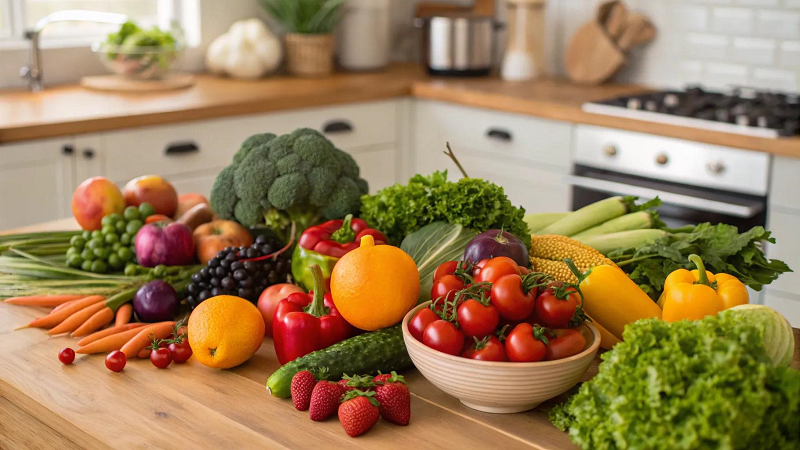
Do not overlook simple vegetables.
Carrots, bell peppers, tomatoes, broccoli, cabbage, squash, and other colorful vegetables can make meals more nutritious and enjoyable.
Eating a variety of colors is useful because different plants contain different nutrients and beneficial compounds.
A simple rule is to add at least one colorful vegetable to lunch and dinner.
The Best Foods for Energy During a Busy Day
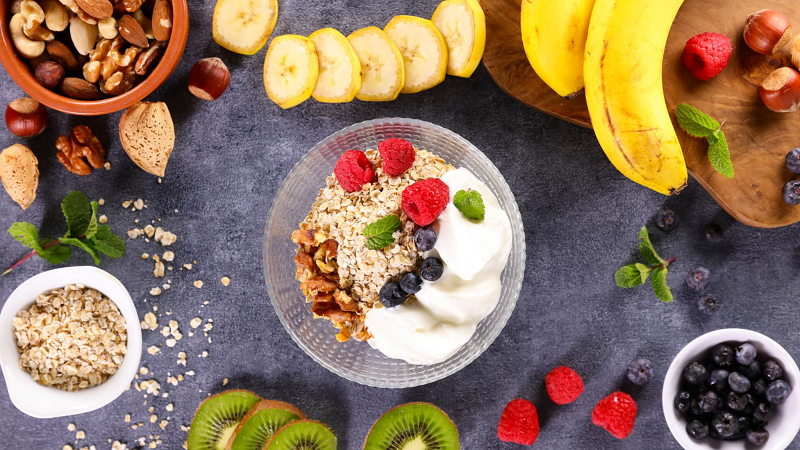
When energy drops, it can be tempting to reach for sugary drinks, candy, or highly processed snacks.
These foods may provide a quick burst of energy, but they may not keep you satisfied for long.
Instead, build snacks around whole or minimally processed foods.
Good energy-boosting snack ideas
Try:
- Banana with peanut butter
- Apple with a handful of nuts
- Plain yogurt with berries
- Oatmeal with fruit
- Whole-grain toast with avocado
- Boiled egg with fruit
- Hummus with carrots and cucumber
The key is to make healthy choices convenient.
Keep fruit visible. Store nuts in small containers. Prepare boiled eggs in advance. Cook a batch of whole grains for several meals.
Healthy food becomes easier to choose when it is ready to eat.
The Best Foods for Healthy Digestion
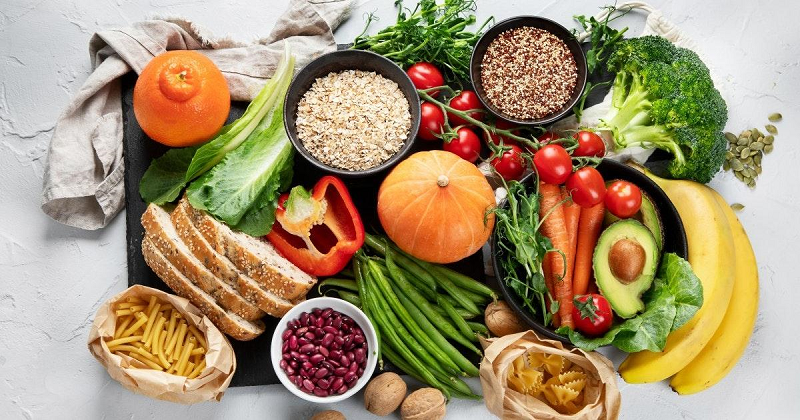
Your digestive system benefits from a varied diet that includes enough fiber and fluids.
Fiber is found naturally in plant foods such as fruits, vegetables, whole grains, nuts, seeds, and legumes. It can help support digestion and prevent constipation.
If you want an easy way to combine fruits and vegetables into one nutritious drink, check out our guide to the 10 Amazing Benefits of Green Smoothies for simple ideas that can support your daily wellness routine.
Increase fiber slowly
If your current diet is low in fiber, do not suddenly add huge amounts.
Increase fiber little by little. Drink enough fluids and give your body time to adjust.
You may start by adding:
- One serving of fruit each day
- More vegetables at lunch
- Oatmeal for breakfast
- Beans a few times each week
- Whole-grain bread instead of refined bread
These small steps can make a big difference over time.
Don’t Forget Water
Food is only one part of daily wellness.
Water is essential, and choosing water instead of sugary drinks is a simple healthy habit. Harvard’s nutrition guidance recommends water, tea, or coffee with little or no sugar and advises limiting sugary drinks.
Keep a water bottle nearby at work, at home, or while exercising.
If you find plain water boring, try adding lemon, lime, cucumber, or fresh fruit for flavor.
How to Build a Balanced Everyday Meal
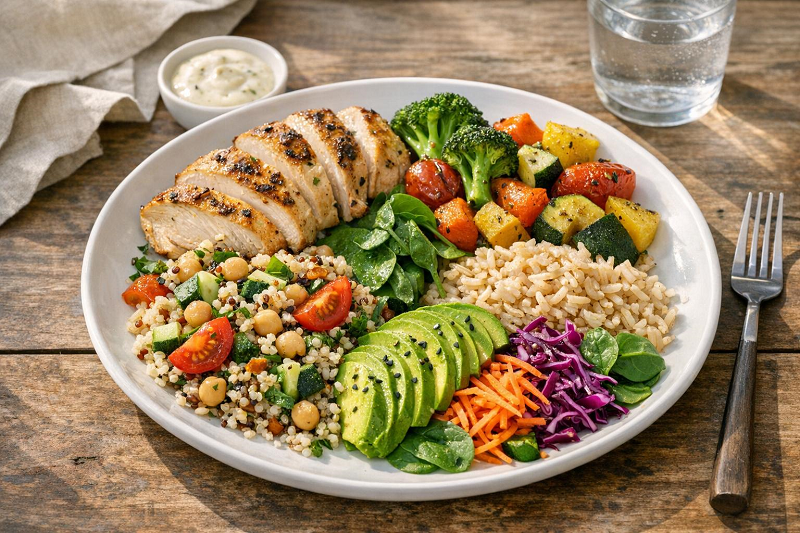
You do not need to calculate every nutrient in every meal.
Instead, use a simple plate approach.
Aim for:
- ½ plate: Vegetables and fruit
- ¼ plate: Whole grains
- ¼ plate: Healthy protein
- Small amount: Healthy fats
- Drink: Water or another low-sugar beverage
This approach is based on Harvard’s Healthy Eating Plate and offers a simple way to build balanced meals.
For example, dinner could include grilled fish, brown rice, steamed broccoli, and a small serving of avocado.
Another meal could include beans, quinoa, mixed vegetables, and a little olive oil.
The possibilities are almost endless.
Foods to Limit for Better Daily Wellness
Healthy eating is not only about what you add. It is also about what you limit.
Try to reduce your intake of:
- Sugary drinks
- Highly processed snacks
- Refined grains
- Processed meats
- Foods high in added sugar
- Foods with large amounts of unhealthy fats
You do not have to remove every treat from your diet.
A sustainable approach allows room for foods you enjoy while making nutritious foods the foundation of most meals.
A Simple One-Day Healthy Food Example
Wondering how these foods can fit into a normal day?
Here is a simple example.
Breakfast
Oatmeal with banana, berries, chia seeds, and plain yogurt.
Morning snack
An apple with a small handful of almonds.
Lunch
Brown rice with grilled chicken or beans, leafy greens, tomatoes, carrots, and avocado.
Afternoon snack
Plain yogurt with berries or a boiled egg with whole-grain toast.
Dinner
Grilled fish, steamed vegetables, and quinoa or brown rice.
Evening
Water or unsweetened tea if you are thirsty.
This is only an example. Your food choices should fit your needs, culture, budget, schedule, and preferences.
How to Make Healthy Eating Easier
Knowing what to eat is helpful. Making healthy eating easy is even better.
Try these simple habits:
- Plan a few meals before shopping.
- Keep fruit where you can see it.
- Wash and cut vegetables ahead of time.
- Cook extra whole grains for later meals.
- Keep healthy snacks ready.
- Add vegetables to foods you already enjoy.
- Choose water more often.
- Try one new healthy food each week.
You do not need to change everything at once.
Pick one habit and repeat it until it feels normal. Then add another.
Final Thoughts: Make Healthy Foods Part of Your Everyday Life
The best everyday foods for energy, digestion, and wellness are not exotic or complicated.
Oats can provide a satisfying start to the day. Bananas offer convenient energy. Eggs and beans provide protein. Fruits and vegetables bring fiber and important nutrients. Whole grains provide quality carbohydrates, while nuts, seeds, avocados, and fish can add healthy fats.
Most importantly, no single food can provide everything your body needs.
Focus on variety.
Build meals around vegetables and fruits. Choose whole grains more often. Add healthy protein. Include sources of healthy fats. Drink water. And give your digestive system enough fiber without making sudden changes.
Healthy eating is not about being perfect. It is about making better choices more often.
Ready to improve your daily diet? Start today by choosing just one food from this list and adding it to your next meal. Then share your favorite healthy energy or digestion-friendly food in the comments. Which one will you try first?