

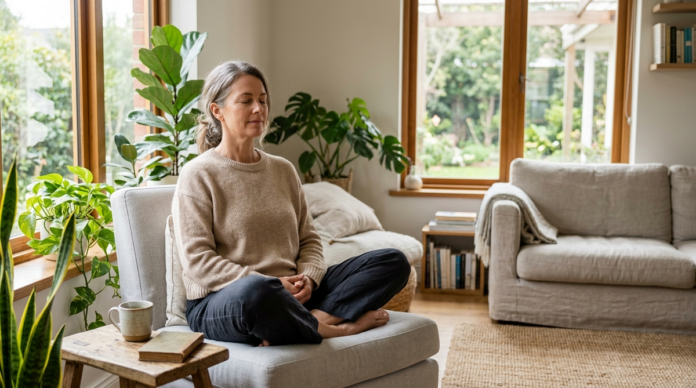
Stress is a normal part of life. Work, family, money, health concerns, busy schedules, and daily responsibilities can all make life feel overwhelming. A little stress can help you respond to challenges. But when stress becomes a daily problem, it can affect your mood, sleep, focus, and overall well-being.
The good news is that you do not need a complicated routine to manage stress. Small, natural habits can make a real difference. You can take a short walk, slow your breathing, spend time outside, get better sleep, or simply give yourself a few quiet minutes.
According to the Centers for Disease Control and Prevention (CDC), everyone experiences stress, but long-term stress can worsen health problems. Daily stress management can help you cope in healthier ways.
In this guide, you will learn simple ways to reduce daily stress naturally. These ideas are easy to fit into a busy lifestyle and can help you build a calmer, healthier routine.
What Is Daily Stress?
Stress is your body’s response to pressure or challenging situations. When you feel threatened or overwhelmed, your body can enter a “fight-or-flight” state. Your heart rate and breathing may increase, your muscles may tense, and you may feel alert or restless.
Short-term stress is not always harmful. It can help you react quickly when something needs your attention.
The problem comes when stress continues for a long time.
Chronic stress may contribute to problems such as:
- Poor sleep
- Headaches
- Digestive problems
- Low energy
- Trouble focusing
- Irritability
- Changes in appetite
- Feelings of anxiety or sadness
The National Center for Complementary and Integrative Health (NCCIH) notes that long-term stress may contribute to or worsen several health problems.
That is why learning how to manage stress naturally is an important part of everyday wellness.
1. Start Your Day With Slow, Deep Breathing
One of the easiest ways to calm your body is to slow down your breathing.
When you are stressed, you may breathe faster without noticing. Taking slow, deep breaths can help you pause and relax.
You do not need special equipment or a long meditation session.
Try this simple exercise:
- Sit somewhere comfortable.
- Relax your shoulders.
- Breathe in slowly through your nose.
- Let your belly rise as you breathe in.
- Slowly breathe out through your mouth.
- Repeat for several breaths.
You can use this technique when you wake up, before a stressful meeting, during a busy afternoon, or before bed.
Research reviewed by NCCIH suggests that slow, deep breathing may help reduce stress and may modestly lower blood pressure and cortisol levels.
Try the 5-Minute Reset
If you feel overwhelmed, stop what you are doing for five minutes.
Put your phone down. Sit comfortably. Take slow breaths and focus only on breathing.
Even a short pause can give your mind a chance to reset.
2. Take a Daily Walk

Walking is one of the simplest forms of exercise. You do not need a gym membership or expensive equipment.
A short walk around your neighborhood, workplace, or local park can help you move your body and clear your mind.
Physical activity can provide immediate benefits. The CDC reports that physical activity can reduce short-term feelings of anxiety in adults and improve sleep.
Try adding movement throughout your day:
- Walk for 10 minutes after lunch.
- Take the stairs when possible.
- Walk while talking on the phone.
- Stretch during work breaks.
- Take an evening walk with family.
- Spend a few minutes walking outdoors in the morning.
You do not have to exercise perfectly. Some movement is better than none.
Over time, you can work toward the recommended amount of weekly activity. Current CDC guidance recommends adults aim for at least 150 minutes of moderate activity each week, along with muscle-strengthening activity on two days.
3. Spend More Time Outdoors
Nature can provide a simple break from screens, noise, and daily responsibilities.
You do not need to plan a long hiking trip. Even a short amount of time outside can give you space to slow down.
Try:
- Sitting in your garden
- Walking in a park
- Eating lunch outside
- Watching the sunset
- Caring for plants
- Taking a slow morning walk
- Reading outside
Being outdoors can also make physical activity more enjoyable.
If your day feels busy, start with just 10 minutes. The goal is not to create another task on your to-do list. It is to create a small moment of calm.
4. Protect Your Sleep
Stress and poor sleep often go together.
When you are stressed, you may find it harder to fall asleep. Then, after a poor night’s sleep, you may feel less able to handle the next day’s challenges.
This can become a cycle.
Healthy sleep habits can help break that cycle.
The CDC recommends that adults get at least seven hours of sleep each night. It also suggests keeping a regular sleep schedule and creating a quiet, relaxing bedroom environment.
Simple Sleep Habits for Less Stress
Try these habits:
- Go to bed and wake up around the same time each day.
- Keep your bedroom comfortable and quiet.
- Reduce screen use before bed.
- Avoid caffeine later in the day.
- Exercise regularly.
- Give yourself time to relax before sleeping.
- Avoid heavy meals close to bedtime.
You do not have to change everything at once.
Start with one habit, such as setting a regular bedtime.
5. Reduce Social Media and News Overload
Your brain needs breaks.
Constantly checking social media, emails, news, and notifications can make it difficult to relax. You may feel like you always need to respond to something.
The CDC recommends taking breaks from news and social media as part of healthy stress management.
Try creating simple boundaries.
For example:
- Turn off unnecessary notifications.
- Keep your phone away during meals.
- Avoid checking social media first thing in the morning.
- Set a time limit for social media.
- Take a screen-free break each day.
- Avoid stressful news right before bed.
The goal is not to stop using technology.
The goal is to make sure technology does not control your attention all day.
6. Practice Mindfulness
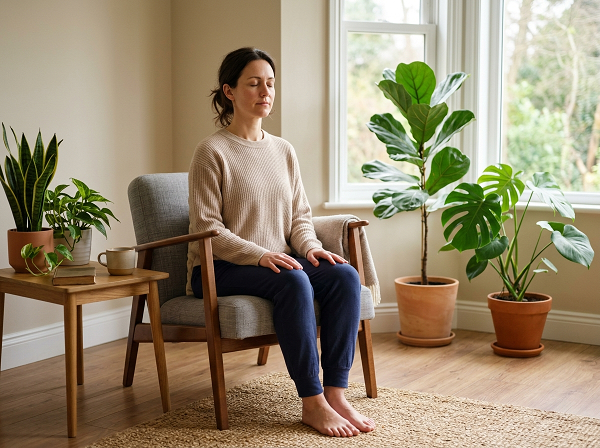
Mindfulness means paying attention to the present moment without judging yourself.
It can be as simple as noticing your breathing while sitting quietly.
You can also practice mindfulness while doing normal activities.
When drinking tea or coffee, notice the smell, temperature, and taste.
When walking, notice your surroundings.
When eating, slow down and pay attention to each bite.
Mindfulness meditation has been studied as a way to manage stress. NCCIH reports that mindfulness practices may help reduce symptoms of stress and anxiety and may also improve sleep.
If you need a quick way to calm your mind during a busy day, try these 5-Minute Stress Relief: Quick Ways to Reset Your Mind techniques to create a simple daily stress-relief routine.
A Simple Mindfulness Exercise
Try this for two minutes:
- Sit comfortably.
- Take a slow breath.
- Notice how your body feels.
- Listen to the sounds around you.
- Notice your breathing.
- When your mind wanders, gently return your attention to the present.
You do not need to empty your mind.
The goal is simply to notice what is happening right now.
7. Make Time for Things You Enjoy
Stress management should not feel like another job.
Make room for activities that genuinely make you feel good.
This could include:
- Listening to music
- Reading
- Cooking
- Gardening
- Drawing
- Watching a favorite movie
- Playing with your pets
- Spending time with family
- Doing a hobby
- Sitting quietly with a cup of tea
Enjoyable activities can give your brain a break from problems and responsibilities.
Even 15 minutes can be valuable.
8. Connect With People You Trust
You do not have to deal with every stressful situation alone.
Talking with someone you trust can help you feel supported. Sometimes you do not need advice. You simply need someone who will listen.
Reach out to:
- A close friend
- Your partner
- A family member
- A trusted coworker
- A community group
- A counselor or mental health professional
The CDC recommends connecting with trusted people as part of healthy stress management.
Social connection can be especially important when you are going through a difficult period.
Do not wait until you feel completely overwhelmed before reaching out.
9. Write Down What Is Bothering You
A busy mind can make stress feel bigger.
Writing your thoughts down can help you organize them.
You can use a notebook, journal, or notes app.
Try answering three simple questions:
What is stressing me right now?
What can I control?
What is one small thing I can do next?
This can turn a large problem into a smaller action.
For example, instead of thinking, “I have too much work,” you might write:
- Make a list.
- Pick the most important task.
- Work on it for 20 minutes.
- Take a short break.
- Continue with the next task.
The National Institute of Mental Health includes journaling among activities that may help people cope with stress.
10. Stop Trying to Do Everything at Once
One major source of daily stress is having too many things competing for your attention.
You may have work, family responsibilities, errands, messages, appointments, and personal goals.
Trying to handle everything at the same time can leave you feeling exhausted.
Instead, choose your priorities.
Ask:
- What must be done today?
- What can wait?
- What can someone else help with?
- What can I say no to?
The NIH recommends setting priorities and deciding what must get done and what can wait. It also encourages self-compassion when managing stress.
Remember: being productive does not mean doing everything.
Sometimes doing less is exactly what you need.
11. Keep Healthy Meals Simple
What you eat can also support your ability to handle daily demands.
You do not need a perfect diet.
Focus on simple, balanced meals that include foods such as:
- Vegetables
- Fruits
- Whole grains
- Beans
- Lean protein
- Nuts and seeds
- Healthy sources of fat
Try to avoid relying on highly processed snacks and sugary drinks every time you feel stressed.
Regular meals can also help you avoid becoming overly hungry, which may make you feel tired or irritable.
The CDC recommends healthy eating as part of a broader approach to managing stress.
12. Watch Your Caffeine Intake
Coffee can be part of a healthy routine for many people, but too much caffeine may make some people feel more restless or anxious.
If you often feel tense, jittery, or unable to sleep, pay attention to how much caffeine you consume.
Consider:
- Drinking smaller servings.
- Avoiding caffeine late in the day.
- Choosing water or a non-caffeinated drink sometimes.
- Paying attention to how your body responds.
You do not necessarily need to give up coffee.
The goal is to find an amount that works well for you.
13. Try Gentle Stretching or Yoga
Stress can show up in the body.
You may notice tight shoulders, a stiff neck, clenched muscles, or tension in your back.
Gentle stretching can give you a reason to slow down and reconnect with your body.
Try a few minutes of:
- Neck stretches
- Shoulder rolls
- Gentle forward folds
- Leg stretches
- Easy yoga poses
Yoga and other relaxation practices have been studied for stress management, with research suggesting possible benefits for perceived stress.
You do not need to perform advanced poses.
Simple and comfortable is enough.
14. Create a Calmer Evening Routine
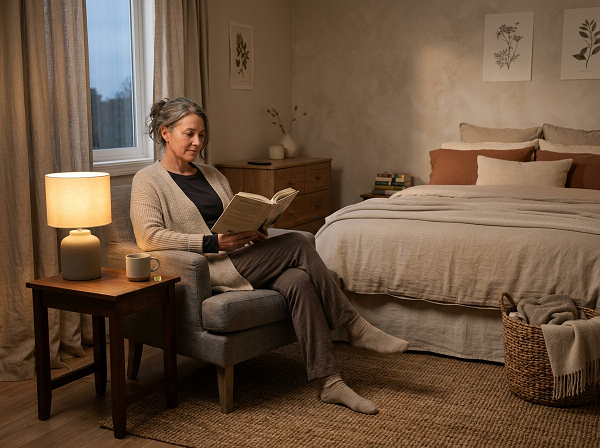
Your evening routine can set the tone for your sleep.
Instead of going from work straight to bed while your mind is still racing, create a short transition period.
For example:
After dinner: Take a short walk.
Later: Put away your phone.
Before bed: Take a warm shower, stretch, read, or practice slow breathing.
At bedtime: Keep the room dark, quiet, and comfortable.
A predictable routine tells your brain that the busy part of the day is ending.
15. Practice Gratitude
When life feels stressful, your attention can become focused on everything that is wrong.
Gratitude can help you notice positive parts of your life.
Each evening, write down three things you appreciate.
They do not have to be major events.
They could be:
- A good meal
- A kind message
- A peaceful morning
- Time with family
- A funny moment
- A short walk
- A good night’s sleep
The CDC includes daily gratitude as one healthy way to support emotional well-being and manage stress.
Gratitude does not mean ignoring real problems.
It simply helps you notice that difficult moments are not the whole story.
16. Laugh More Often
Laughter can be a simple way to add lightness to a stressful day.
Watch something funny. Talk with someone who makes you laugh. Share a joke with your family. Play with your children or pets.
You do not need to force yourself to be positive all the time.
Just look for small moments of joy.
Sometimes a few minutes of laughter can provide the mental break you need.
17. Build a Daily Stress-Relief Routine
The best stress-management habits are the ones you can actually maintain.
Instead of trying to change your whole life overnight, create a simple routine.
A 15-Minute Daily Stress Reset
Morning — 3 minutes
Take slow breaths and think about your top priority for the day.
Afternoon — 5 minutes
Step away from your screen and take a short walk or stretch.
Evening — 5 minutes
Write down what went well and what can wait until tomorrow.
Before bed — 2 minutes
Take slow breaths and let your body relax.
It may seem small, but small habits can add up.
The goal is consistency, not perfection.
When Should You Get Help for Stress?
Natural stress-relief habits can be useful, but they are not a replacement for professional care when you need it.
Consider talking with a health professional if stress:
- Feels constant or overwhelming
- Interferes with work or relationships
- Makes it difficult to sleep regularly
- Causes major changes in appetite or energy
- Leads you to avoid normal activities
- Feels impossible to manage on your own
The National Institute of Mental Health advises seeking help when stress symptoms interfere with everyday life or feel constantly present.
If you are in immediate emotional distress or thinking about harming yourself, seek urgent professional help or contact an appropriate crisis service in your area.
A Simple Plan to Reduce Stress Naturally
You do not need to use every strategy in this article.
Start with three.
For the next seven days, try:
- 10 minutes of walking each day
- 5 minutes of slow breathing
- A consistent bedtime
- One short screen-free break
- One enjoyable activity
- One conversation with someone you trust
- Three things you are grateful for each night
After a week, notice what helps you feel calmer.
Then keep the habits that work best for you.
Stress management is personal. What works for one person may not work for another. The goal is to build a collection of healthy tools that you can use when life becomes difficult.
Final Thoughts: Small Changes Can Create a Calmer Life
Learning how to reduce daily stress naturally does not require a perfect lifestyle.
You can start with something as simple as taking a walk, breathing slowly, getting enough sleep, spending time outside, or talking to someone you trust.
The most important thing is to start small.
Do not wait for a completely stress-free day before taking care of yourself. Build short moments of calm into the day you already have.
Over time, these simple habits can become part of your normal routine.
What is one stress-relief habit you can start today? Try it for the next seven days and notice how you feel. Then share your experience with someone you care about. Your simple idea may help someone else find a little more calm in their day, too.