


Introduction: Small Habits Can Make a Big Difference
Living a healthier life does not mean changing everything at once. In fact, trying to make too many changes at the same time can make it harder to stay consistent.
A better approach is to build simple healthy habits that fit into your normal day.
Healthy habits are small actions you repeat often. Over time, these actions can support your physical health, mental well-being, energy, sleep, and quality of life. Eating more nutritious foods, moving your body, drinking enough water, sleeping well, and managing stress are all important parts of a healthy lifestyle.
The good news is that you do not need a perfect routine. You simply need to start.
Here are 10 simple healthy habits to practice every day. Pick one or two that feel easy to start with, then build from there.
1. Start Your Day With Water
One of the easiest healthy daily habits is drinking water.
Your body needs water to work properly. Water helps regulate body temperature, protect joints and tissues, and remove waste. It also helps prevent dehydration.
Many people begin the day with coffee, tea, or a sweet drink. There is nothing wrong with enjoying these drinks in moderation, but starting your day with plain water is a simple way to support hydration.
Make Water Part of Your Routine
Try these easy ideas:
- Drink a glass of water after waking up.
- Keep a reusable water bottle nearby.
- Drink water with meals.
- Choose water instead of sugary drinks when possible.
- Add lemon or lime if you prefer more flavor.
- Drink more water when the weather is hot or when you are physically active.
You do not need to force yourself to drink a specific amount. Water needs vary based on factors such as age, activity, climate, pregnancy, and other personal factors.
The goal is simple: make healthy hydration an everyday habit.
CDC: About Water and Healthier Drinks
2. Eat More Whole and Nutritious Foods
Healthy eating is one of the most important habits you can build.
You do not need to follow a strict diet to eat better. Instead, focus on adding more nutritious foods to your meals.
The World Health Organization recommends a healthy diet based on four key ideas: adequacy, balance, moderation, and diversity. Whole grains, vegetables, fruits, pulses, and other minimally processed foods can form the foundation of a healthy eating pattern.
Build a Balanced Plate
A simple meal can include:
- Vegetables or fruit
- A source of protein
- Whole grains or another nutritious carbohydrate
- A healthy source of fat
- Water or another low-sugar drink
For example, you might have grilled chicken, brown rice, and vegetables for lunch. Another day, you could choose beans, whole-grain bread, and a large salad.
Variety matters. Eating different foods gives your body a wider range of nutrients.
You also do not have to avoid every food you enjoy. Healthy eating is about your overall pattern, not one meal.
Instead of asking, “What foods must I never eat?” ask, “What healthy food can I add to my next meal?”
That small change in thinking can make healthy eating feel much easier.
World Health Organization: Healthy Diet
3. Move Your Body Every Day

You do not have to spend hours at the gym to become more active.
Walking, cycling, dancing, gardening, cleaning, playing with your children, and other activities can all help you move more.
Regular physical activity is one of the most important healthy habits you can build. You don’t need to spend hours at the gym—walking, stretching, cycling, or doing simple exercises can help you stay active. Learn how to make exercise a daily habit and turn movement into a consistent part of your routine.
It can also improve sleep, support brain health, strengthen muscles and bones, and reduce the risk of several chronic health conditions. It can also help reduce symptoms of anxiety and depression.
For adults, current guidelines recommend at least 150 minutes of moderate-intensity physical activity each week, along with muscle-strengthening activities on at least two days each week.
That may sound like a lot, but you can break it into smaller parts.
Simple Ways to Exercise More
Try:
- Taking a 10-minute walk after a meal
- Using the stairs when possible
- Stretching during work breaks
- Walking while talking on the phone
- Dancing to a few favorite songs
- Doing simple bodyweight exercises
- Taking a walk with a friend
Remember, some activity is better than none. If you are not active now, start small and slowly increase your activity.
The most effective exercise is often the one you enjoy enough to keep doing.
CDC: Adult Physical Activity Guidelines
4. Get Enough Quality Sleep
Sleep is not a luxury. It is an important part of a healthy lifestyle.
Most adults need at least seven hours of sleep each night. Good sleep supports physical health, emotional well-being, attention, memory, heart health, and metabolism.
Yet many people treat sleep as something they can sacrifice when life gets busy.
Getting enough sleep can make it easier to manage your mood, energy, and daily tasks.
Create Better Sleep Habits
Try to:
- Go to bed and wake up at similar times each day.
- Keep your bedroom cool, quiet, and comfortable.
- Turn off electronic devices before bedtime.
- Avoid large meals close to bedtime.
- Limit caffeine later in the day.
- Get regular physical activity during the day.
- Give yourself time to relax before bed.
You do not need a complicated bedtime routine. Even 20 to 30 minutes of quiet time before bed can help signal that it is time to slow down.
If you often have trouble sleeping, speak with a health professional to find out what may be causing the problem.
5. Take Short Breaks From Sitting
Many people spend large parts of the day sitting at a desk, driving, watching television, or using a phone.
Even if you exercise regularly, it can be helpful to find ways to move throughout the day.
The CDC notes that adults who sit less and do any amount of moderate- or vigorous-intensity activity can gain health benefits.
Try the “Move More” Approach
You can add movement without changing your entire schedule.
For example:
- Stand up every 30 to 60 minutes.
- Walk around during phone calls.
- Stretch while watching television.
- Take a short walk during lunch.
- Do a few squats or gentle stretches during breaks.
- Walk around your home instead of staying seated.
These small actions may seem insignificant, but they can help you create a more active lifestyle.
Think of movement as something you do throughout the day, not just something you do during a workout.
6. Practice a Few Minutes of Stress Relief
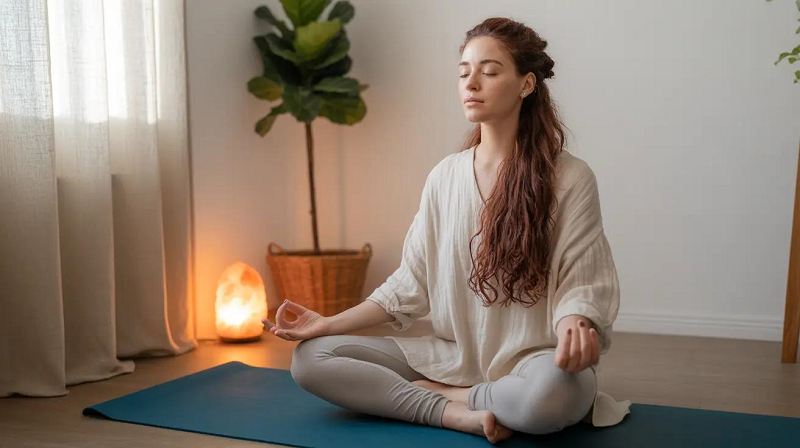
Stress is a normal part of life. Work, money, family responsibilities, relationships, and unexpected events can all create stress.
The problem is when stress becomes long-term and difficult to manage.
Daily stress management does not need to take an hour. Even a few quiet minutes can give you a chance to pause and reset.
The CDC recommends healthy ways to manage stress, including deep breathing, meditation, stretching, journaling, spending time outdoors, practicing gratitude, getting enough sleep, staying active, and connecting with people you trust.
Simple Stress-Relief Habits
Choose one:
- Take five slow, deep breaths.
- Spend a few minutes outside.
- Write down three things you are grateful for.
- Listen to calming music.
- Stretch your body.
- Take a short walk.
- Put your phone away for a few minutes.
- Talk with someone you trust.
- Write your thoughts in a journal.
You do not have to remove all stress from your life. Instead, learn healthy ways to respond to it.
7. Make Time for People You Care About
Health is not only about food and exercise.
Strong relationships and social connections are also important parts of well-being. Supportive relationships can help people manage stress and are linked with better health and longer, healthier lives.
Modern life can make it easy to stay connected through screens while spending less meaningful time with people.
Make social connection a daily habit.
Easy Ways to Stay Connected
You could:
- Call a family member.
- Send a thoughtful message to a friend.
- Eat a meal with someone.
- Take a walk with a loved one.
- Ask someone how their day went.
- Join a local group or community activity.
- Help someone who needs support.
You do not need a large social circle. A few meaningful relationships can make a big difference.
Sometimes, a five-minute conversation is enough to make someone feel supported—and it can help you feel connected too.
CDC: Social Connection and Health
8. Limit Sugary Drinks and Highly Processed Foods
You do not need to completely remove your favorite foods from your life.
However, it can help to make highly processed foods and sugary drinks less common parts of your daily routine.
A healthy eating pattern emphasizes nutritious foods while limiting foods and drinks that are high in added sugars, unhealthy fats, and sodium.
Make Healthier Swaps
Instead of:
- Soda every day → Try water or sparkling water.
- Candy as a snack → Try fruit and nuts.
- Sweetened breakfast foods → Try oats with fruit.
- Fried foods at every meal → Try grilled or baked options.
- Highly processed snacks → Try yogurt, fruit, or whole-food snacks.
The goal is not perfection.
If you normally drink three sugary drinks a day, reducing that to one is already a change. Small improvements are easier to maintain than extreme rules.
9. Spend Some Time Outdoors

Getting outside can be a simple way to add movement, fresh air, and a mental break to your day.
You might walk around your neighborhood, sit in a garden, spend time at a park, or simply step outside for a few minutes.
Outdoor time can also be combined with other healthy habits.
For example, you can:
- Take your morning walk outside.
- Eat lunch outdoors.
- Walk with a friend.
- Stretch in a park.
- Spend time gardening.
- Leave your phone behind for a short walk.
The goal is not to create another difficult task on your schedule. Instead, connect healthy habits.
A 20-minute walk outdoors can combine physical activity, stress relief, and time away from screens.
10. Make Preventive Health Care a Habit
One healthy habit that is easy to forget is staying on top of preventive care.
Healthy living is not only about what you do at home. Regular health appointments, recommended screenings, vaccinations, and dental care can help you prevent problems or find them early.
Your health needs change as you get older, so the right screenings and checkups can vary from person to person.
Stay Organized With Your Health
Consider:
- Keeping a record of your health appointments.
- Following recommended screening schedules.
- Keeping vaccinations up to date.
- Visiting your dentist regularly.
- Talking with your health professional about health concerns.
- Asking questions when you do not understand something.
Do not wait until something feels seriously wrong before paying attention to your health.
Prevention is an important part of long-term wellness.
How to Make Healthy Habits Stick
Knowing what to do is one thing. Doing it consistently is another.
The key is to make your habits simple.
Do not try to start all 10 habits tomorrow.
Instead, choose one habit that feels realistic.
For example:
Week 1: Drink water when you wake up.
Week 2: Add a 10-minute daily walk.
Week 3: Add a serving of vegetables to one meal.
Week 4: Set a consistent bedtime.
As each habit becomes easier, add another.
Use Habit Stacking
Habit stacking means connecting a new habit to something you already do.
For example:
- After brushing your teeth → drink water.
- After lunch → take a 10-minute walk.
- After getting home → spend five minutes relaxing.
- Before bed → put your phone away.
- During your morning coffee → write down one thing you are grateful for.
This makes the new behavior easier to remember.
Focus on Progress, Not Perfection
You will have days when you miss a workout, eat something less nutritious, stay up too late, or forget to drink enough water.
That is normal.
One unhealthy choice does not erase your progress.
The most important thing is to return to your routine at the next opportunity.
Healthy living is not about being perfect every day. It is about making better choices more often.
A Simple Daily Healthy Habits Checklist
Here is a simple routine you can use:
- Drink water throughout the day.
- Eat a variety of nutritious foods.
- Move your body.
- Take breaks from sitting.
- Get at least seven hours of sleep if you are an adult.
- Spend a few minutes managing stress.
- Connect with someone you care about.
- Limit sugary drinks and highly processed foods.
- Spend time outdoors.
- Keep up with preventive health care.
You do not have to check every box every day.
Use this list as a guide, not a test.
Frequently Asked Questions About Healthy Habits
What are the most important healthy habits?
Some of the most important habits include eating a balanced diet, staying physically active, getting enough sleep, managing stress, avoiding tobacco, limiting excessive alcohol use, maintaining healthy relationships, and keeping up with preventive care.
How long does it take to build a healthy habit?
There is no single number of days that works for everyone. A habit becomes easier when you repeat it often and make it simple enough to fit your lifestyle.
Start with a small action that you can repeat consistently.
What is the easiest healthy habit to start?
Drinking water, taking a short walk, adding vegetables to a meal, or setting a regular bedtime are all easy places to start.
Choose the habit that requires the least effort for you.
Can small healthy habits really improve your health?
Yes. Small actions can add up over time. Regular physical activity, healthy eating, adequate sleep, and other healthy behaviors are linked with important short- and long-term health benefits.
Do I need to exercise every day?
You do not need a hard workout every day. The goal is to stay active throughout the week. Adults should aim for at least 150 minutes of moderate-intensity activity each week, plus muscle-strengthening activities on at least two days.
Conclusion: Start With One Healthy Habit Today
A healthier life does not have to begin with a strict diet, an expensive gym membership, or a complete lifestyle makeover.
It can begin with one glass of water.
One short walk.
One nutritious meal.
One earlier bedtime.
One phone call to someone you love.
These small choices may seem simple, but repeating them can help create a lifestyle that supports your physical and mental well-being.
The most important step is to start with something you can actually maintain.
Which of these 10 healthy habits will you start practicing today? Share your favorite habit in the comments and tell us how you plan to make it part of your daily routine. Your experience may inspire someone else to take their first step toward a healthier life.