

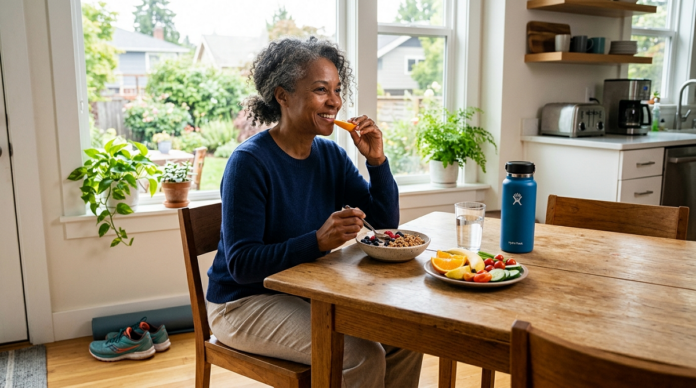
A healthy lifestyle does not have to mean strict diets, long workouts, or giving up all the foods you enjoy. In fact, the best healthy habits are often simple enough to fit into your normal day.
Small choices can add up over time. Choosing water instead of a sugary drink, taking a short walk, eating more vegetables, getting enough sleep, or taking a few minutes to relax can all support better health.
The key is consistency.
A healthy lifestyle is not about being perfect. It is about creating daily habits that help your body and mind feel their best. The World Health Organization (WHO) highlights healthy eating, physical activity, enough sleep, avoiding tobacco, limiting alcohol, and staying connected with others as important parts of self-care.
If you want to improve your health, you do not need to change everything at once. Start with one or two habits. Once they become part of your routine, build from there.
Here are 12 everyday habits of a healthy lifestyle that can help you feel better, stay active, and protect your long-term health.
1. Start Your Day With a Healthy Breakfast
Breakfast is a good chance to give your body useful nutrients after a night of sleep.
You do not need a large meal. A simple breakfast with protein, fiber, and healthy carbohydrates can help you stay satisfied and energized.
Good choices include:
- Eggs with whole-grain toast
- Oatmeal with fruit and nuts
- Greek yogurt with berries
- A banana with peanut butter
- Whole-grain cereal with milk and fruit
- A vegetable omelet
Try to limit breakfasts that are high in added sugar. Sweet pastries, sugary cereals, and sweetened drinks may taste good, but they may not keep you full for long.
A healthy breakfast is not about following one perfect menu. It is about choosing foods that provide useful nutrients and fit your needs.
2. Make Healthy Eating a Daily Habit
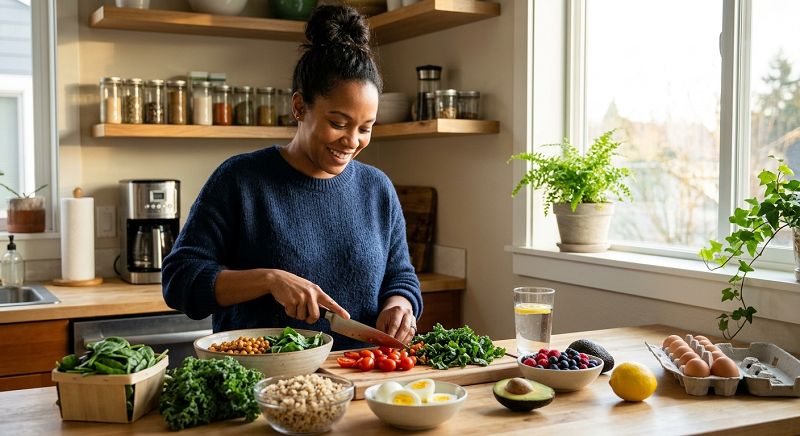
One of the most important habits of a healthy lifestyle is eating a balanced diet.
The WHO states that healthy diets should be based on principles such as balance, moderation, diversity, and adequate nutrition. A variety of minimally processed foods can provide the nutrients your body needs.
Instead of focusing on foods you must completely avoid, focus on adding more nutritious foods to your meals.
Try to include:
- Vegetables
- Fruits
- Whole grains
- Beans and other legumes
- Nuts and seeds
- Fish and other lean protein
- Eggs
- Healthy fats
- Low-sugar dairy products, if you eat dairy
Make Your Plate More Colorful
A simple way to improve your meals is to add more color.
For example, you could combine grilled chicken, brown rice, and vegetables. Or try fish with sweet potato and a side salad.
Different fruits and vegetables provide different nutrients, so eating a variety is helpful.
The goal is not perfection. A healthy eating pattern is something you can maintain for years.
3. Drink More Water
Water is one of the easiest healthy habits to overlook.
Your body needs water for many important functions. Yet many people drink sugary beverages throughout the day without thinking about how often they reach for them.
Make water your main drink whenever possible.
You can make this habit easier by:
- Carrying a reusable water bottle
- Drinking water when you wake up
- Having water with meals
- Drinking water before reaching for a sweet drink
- Keeping water where you can easily see it
If plain water feels boring, add slices of lemon, lime, cucumber, or fresh fruit for flavor.
You do not have to eliminate every other drink. Simply making water your usual choice can be a useful step toward healthier daily habits.
4. Move Your Body Every Day

You do not need to spend hours at the gym to become more active.
Walking, gardening, dancing, cycling, swimming, cleaning the house, and taking the stairs all count as physical activity.
The WHO recommends that adults get at least 150 minutes of moderate physical activity each week, or an equivalent amount of vigorous activity. It also recommends muscle-strengthening activities on at least two days each week.
The CDC also notes that regular physical activity can improve sleep, reduce anxiety, support healthy weight, and lower the risk of several chronic diseases.
Easy Ways to Add More Movement
Try these simple ideas:
- Take a 10-minute walk after a meal
- Use stairs instead of an elevator
- Walk while talking on the phone
- Stretch during work breaks
- Do simple strength exercises at home
- Play outside with your children
- Dance to your favorite songs
- Take a short walk in the morning or evening
If you are not active now, start small. Even a short walk is better than sitting all day.
5. Avoid Sitting for Long Periods
Modern life makes it easy to sit for hours.
You may sit while working, driving, watching television, eating, or using your phone. Long periods of sitting can become a problem when movement is missing from your daily routine.
One simple solution is to break up long periods of sitting.
Every 30 to 60 minutes, try to stand up and move around for a few minutes.
You can:
- Walk around your home
- Stretch your legs
- Refill your water bottle
- Do a few squats
- Walk around during phone calls
- Stand while doing certain tasks
These small movements may not feel like exercise, but they can help you become less sedentary.
6. Get Enough Quality Sleep
Sleep is not wasted time. It is an important part of a healthy lifestyle.
Most adults need at least seven hours of sleep each night.
Poor sleep can affect your energy, mood, focus, and daily performance. Over time, not getting enough sleep can also affect your overall health.
Build a Better Sleep Routine
Try these habits:
- Go to bed at a similar time each night
- Wake up at a regular time
- Keep your bedroom comfortable and quiet
- Reduce screen use before bed
- Avoid heavy meals close to bedtime
- Get natural light during the day
- Exercise regularly
You do not have to create a perfect bedtime routine. Start with one change that feels realistic.
For example, if you normally go to bed at midnight, try moving bedtime 15 minutes earlier.
Small changes can become lasting habits.
7. Make Time for Stress Management

Stress is a normal part of life. Work, family, money, responsibilities, and unexpected problems can all create stress.
The goal is not to remove every stressful situation. Instead, learn healthy ways to manage stress.
You might try:
- Deep breathing
- Walking outdoors
- Listening to music
- Reading
- Stretching
- Prayer or quiet reflection
- Talking with someone you trust
- Spending time with family
- Taking short breaks during busy days
Regular physical activity can also help. The CDC reports that physical activity can provide immediate benefits, including better sleep and reduced feelings of anxiety.
Even five quiet minutes can make a difference when your day feels overwhelming.
8. Spend Time With People You Care About
Health is not only about food and exercise.
Human connection matters too.
Spending time with family and friends can help you feel supported and connected. A simple conversation, shared meal, phone call, or walk together can become an important part of your healthy lifestyle.
You do not need a large social circle.
Focus on meaningful relationships.
Try making connection a daily habit:
- Call a family member
- Eat dinner with your family
- Talk with a friend
- Take a walk with someone
- Share your feelings
- Help someone who needs support
A healthy lifestyle should support your emotional well-being as well as your physical health.
9. Limit Highly Processed Foods and Added Sugar
You do not need to fear every packaged food. Some processed foods can still be nutritious and convenient.
However, highly processed foods can make it easier to consume too much added sugar, salt, unhealthy fats, and calories.
The CDC recommends emphasizing vegetables, fruits, protein foods, healthy fats, and whole grains while limiting highly processed foods, added sugars, saturated fats, and excess salt.
Try making simple swaps.
Instead of:
- Sugary soda → water or unsweetened drinks
- Candy → fruit and nuts
- Highly sweetened cereal → oatmeal
- Fried snacks → roasted nuts or fruit
- Sugary desserts every day → occasional treats
Remember, healthy eating does not mean never enjoying your favorite foods.
It means making healthier choices more often.
10. Practice Portion Control
Even nutritious foods can contribute to excess calorie intake when portions are very large.
Portion control does not mean eating tiny meals or feeling hungry all day. It means learning how much food your body needs.
Try these simple strategies:
- Use a smaller plate
- Eat slowly
- Serve your food instead of eating directly from a package
- Include vegetables with meals
- Pay attention to hunger and fullness
- Avoid eating while distracted by television or your phone
Eating slowly can give your body more time to recognize when you are becoming full.
The goal is to enjoy your food while becoming more aware of how much you eat.
11. Avoid Smoking and Limit Alcohol
Avoiding tobacco is one of the strongest choices you can make for your health.
The CDC recommends avoiding smoking, vaping, and other tobacco products.
If you smoke, quitting can be difficult, but you do not have to do it alone. Talk with a health professional about tools and support that may help.
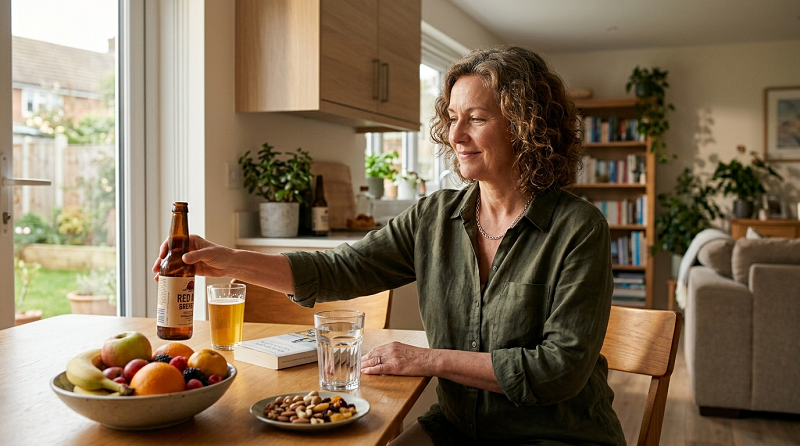
Alcohol also deserves attention. Drinking less can reduce health risks. Some people may choose not to drink at all.
If you drink alcohol, consider making moderation part of your overall healthy lifestyle.
Healthy habits are not about judging yourself. They are about making choices that protect your health over time.
12. Keep Up With Preventive Health Care
A healthy lifestyle includes more than what you do at home.
Regular health appointments, recommended screenings, vaccinations, and conversations with your health care provider can help you stay informed about your health. The CDC recommends keeping up with regular appointments, testing, screenings, and vaccinations.
Do not wait until you feel sick to pay attention to your health.
Depending on your age, family history, and health needs, your doctor may recommend different screenings or tests.
Prevention is an important part of taking care of yourself.
How to Make Healthy Habits Stick
Knowing what to do is one thing. Doing it every day is another.
The secret is to make healthy habits simple.
Do not try to completely change your life overnight.
Instead, choose one of habits and connect it to something you already do.
Building healthy habits takes time, but you do not have to change everything at once. If you need more practical ideas, check out our guide to 10 simple healthy habits you can practice every day.
For example:
After I drink my morning coffee, I will drink a glass of water.
After lunch, I will walk for 10 minutes.
Before bed, I will put my phone away.
These small actions can become automatic over time.
Focus on Progress, Not Perfection
You will have days when you eat too much, skip a workout, sleep poorly, or feel stressed.
That does not mean you failed.
One unhealthy meal does not ruin a healthy lifestyle. One missed workout does not erase your progress.
Simply return to your normal routine at the next opportunity.
Consistency matters more than perfection.
Create a Simple Daily Healthy Lifestyle Routine
If you want a simple starting point, try this basic routine:
Morning
- Drink water
- Eat a balanced breakfast
- Get some natural light
- Take a short walk or stretch
Afternoon
- Eat a balanced lunch
- Drink water
- Take movement breaks
- Choose a healthy snack if you are hungry
Evening
- Eat a nutritious dinner
- Take a short walk
- Spend time with family or friends
- Reduce screen time before bed
Before Bed
- Prepare for the next day
- Practice a few minutes of relaxation
- Keep a regular bedtime
- Aim for at least seven hours of sleep
You can adjust this routine to fit your schedule, work, family, and personal needs.
The Most Important Healthy Lifestyle Habit: Consistency
There is no single habit that can make you healthy.
Instead, health comes from many small choices working together.
Eating well supports your body. Physical activity keeps you moving. Sleep helps your body recover. Stress management supports emotional health. Social connection can help you feel supported.
Together, these habits create a stronger foundation for a healthy lifestyle.
According to the WHO, physical activity, healthy eating, adequate sleep, avoiding tobacco, limiting alcohol, and social connection are all important parts of healthy self-care.
You do not have to master all of them today.
Start with one.
Frequently Asked Questions About Healthy Lifestyle Habits
What is the best healthy habit to start with?
Start with a habit that is simple and realistic. Walking for 10 minutes, drinking more water, or improving your sleep schedule can be a good first step.
How much exercise should adults get?
The WHO recommends at least 150 minutes of moderate activity each week for adults, along with muscle-strengthening activities on two or more days each week.
How many hours of sleep do adults need?
Most adults need at least seven hours of sleep each night. Individual needs can vary, but regularly getting enough quality sleep is an important part of good health.
Do I need to follow a strict diet to be healthy?
No. A healthy diet can include many different foods. Focus on variety, balanced meals, nutritious foods, and reasonable portions rather than extreme restrictions.
Can small lifestyle changes really make a difference?
Yes. Small changes can make healthy behaviors easier to maintain. For example, adding short walks, eating more vegetables, or improving your sleep routine can gradually become part of your normal lifestyle.
Final Thoughts: Build Your Healthy Lifestyle One Habit at a Time
A healthy lifestyle is not built in one day.
It is built through the choices you make again and again.
Eat nourishing foods. Drink more water. Move your body. Sleep well. Manage stress. Spend time with people you care about. Avoid tobacco. Keep up with preventive health care.
Most importantly, be patient with yourself.
You do not need to become a completely different person to become healthier. Start with one small habit today. Once it becomes easier, add another.
Your future health is shaped by what you do regularly—not just what you do once in a while.
What healthy habits are you working on right now? Share your goal in the comments and inspire someone else to take the first step toward a healthier life.