


Staying active does not have to mean spending hours at the gym. In fact, some of the best ways to move more can fit into your normal day.
A short walk, taking the stairs, doing housework, stretching while watching TV, or playing with your children can all help you become more active. The goal is not to make exercise complicated. It is to find simple activities you enjoy and make them part of your routine.
Regular physical activity supports your heart, muscles, bones, mood, sleep, and overall health. Current guidelines recommend that adults get 150–300 minutes of moderate-intensity aerobic activity each week, or an equivalent amount of vigorous activity. Adults should also do muscle-strengthening activities on at least two days each week. (CDC)
The good news? You do not need to do everything at once.
Here are 10 easy ways to stay active every day and make movement a natural part of your lifestyle.
Why Staying Active Every Day Matters
Modern life makes it easy to sit for long periods. We sit at work, during meals, while using our phones, and when watching television.
Too much sitting can reduce the amount of movement we get each day. The World Health Organization recommends limiting sedentary time and replacing some sitting with physical activity of any intensity. (IRIS)
Regular movement can also support:
- Heart health
- Strong muscles and bones
- Healthy body weight
- Better sleep
- Better mood
- Mental well-being
- Daily energy
- Physical fitness
- Healthy aging
You do not need to become a fitness expert to enjoy these benefits. Small changes can add up.
1. Take More Short Walks
Walking is one of the easiest ways to stay active every day.

You do not need special equipment or a gym membership. You can walk around your neighborhood, at work, in a shopping center, or even around your home.
Try adding short walks to parts of your normal routine.
For example:
- Walk for 10 minutes after breakfast.
- Take a short walk during your lunch break.
- Walk while talking on the phone.
- Take an evening walk with your family.
- Park farther away from your destination.
- Walk to nearby stores instead of driving.
A brisk walk can count as moderate-intensity physical activity. (CDC)
Start With 10 Minutes
If you are not active right now, do not feel like you need to walk for an hour.
Start with 10 minutes.
As your fitness improves, slowly increase the time or pace. The WHO recommends starting with small amounts of activity and gradually increasing frequency, intensity, and duration. (NCBI)
2. Take the Stairs More Often
Choosing stairs instead of an elevator is a simple way to add more movement to your day.
Walking up stairs can make your heart beat faster while working your legs and lower body.
You do not have to choose stairs every time. Start with one or two flights when it feels comfortable.
You can also use stairs as a quick activity break during the day.
Make It a Daily Habit
Look for small opportunities:
- Use stairs at work.
- Take the stairs at shopping centers.
- Walk up one flight before using the elevator.
- Use stairs when visiting friends or family.
These small choices may seem unimportant, but repeating them can help you build a more active lifestyle.
3. Stretch During Your Day
Stretching is an easy way to break up long periods of sitting.
If you work at a desk, set aside a few minutes to stand, move your shoulders, stretch your legs, or gently rotate your body.
You can also stretch while watching television or after waking up.
Simple movements include:
- Shoulder rolls
- Gentle neck movements
- Calf stretches
- Hamstring stretches
- Arm stretches
- Hip stretches
Keep movements comfortable and avoid forcing a stretch.
The goal is simple: get out of the chair and move your body.
4. Turn Household Chores Into Exercise
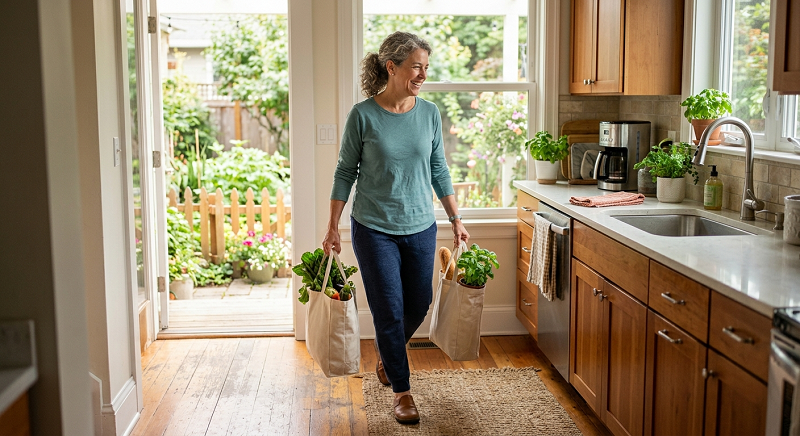
You may not think of cleaning as physical activity, but many household tasks require movement.
Sweeping, mopping, gardening, washing the car, carrying groceries, and cleaning can all get you moving.
The WHO notes that physical activity includes movement from everyday tasks, transportation, work, leisure, and household activities. (World Health Organization)
Instead of thinking, “I need to exercise,” think:
“How can I move more while doing the things I already need to do?”
For example:
- Clean one room at a time.
- Wash your car by hand.
- Garden for 20–30 minutes.
- Carry groceries instead of using a cart for small trips.
- Do light cleaning during television breaks.
Making everyday activities more active can make movement feel less like a chore.
5. Set a Reminder to Move
One of the easiest ways to stay active is to stop sitting for too long.
When you become focused on work, reading, or watching videos, hours can pass without you noticing.
Set a reminder on your phone or computer to get up and move.
Every 30–60 minutes, try:
- Standing up
- Walking around the room
- Getting a glass of water
- Stretching
- Doing a few bodyweight movements
- Walking up and down a hallway
You do not need a long workout every time.
Even short periods of movement can help you spend less time sitting. Current guidance emphasizes that some physical activity is better than none. (CDC)
6. Do Simple Strength Exercises at Home
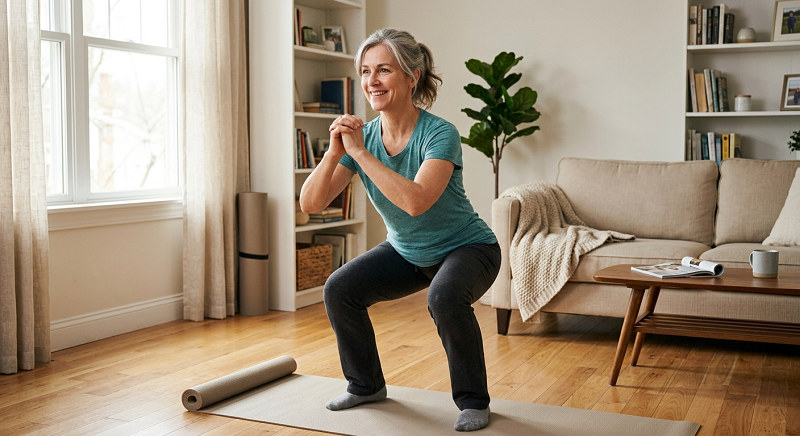
Strength training is another important part of staying active.
You do not need expensive equipment. Many basic exercises can be done using your body weight.
Try exercises such as:
- Squats
- Wall push-ups
- Regular push-ups
- Glute bridges
- Lunges
- Step-ups
- Standing calf raises
Start with a small number of repetitions and focus on good form.
For beginners, even a 10-minute strength routine can be a useful starting point.
Why Strength Training Matters
Adults are advised to do muscle-strengthening activities at least two days each week, working the major muscle groups. (CDC)
Strength exercises can help you build and maintain muscle. They can also make everyday tasks easier, such as climbing stairs, carrying groceries, or getting up from a chair.
If you have an injury, health condition, or major mobility concern, speak with a health professional about suitable exercises before starting a new routine.
7. Make Your Commute More Active
Your daily commute can be another chance to move.
If practical and safe, consider walking or cycling for part of your trip.
You could also:
- Walk to a nearby bus stop.
- Get off public transport one stop earlier.
- Park farther away.
- Walk between nearby appointments.
- Use a bicycle for short trips.
You do not have to completely change your transportation habits.
Adding even 10 or 15 minutes of walking can make your day more active.
And if walking or cycling for the entire trip is not realistic, try doing just part of the journey.
8. Move While Watching TV
Watching television does not always have to mean sitting still.
During commercials or between episodes, stand up and move.
Try:
- Marching in place
- Squats
- Calf raises
- Stretching
- Walking around the room
- Light household tasks
You can also stand while watching part of a program.
Another simple idea is to create a 10-minute movement break after every episode.
This turns screen time into an opportunity to add activity rather than another long period of sitting.
9. Choose Activities You Actually Enjoy
One of the biggest mistakes people make is choosing exercise they dislike.
If you hate running, you do not have to run.
If you dislike the gym, you do not need a gym membership.
The best activity is often the one you enjoy enough to keep doing.
Consider:
- Dancing
- Swimming
- Walking
- Cycling
- Hiking
- Gardening
- Playing sports
- Playing with your children
- Walking your dog
- Beginner fitness classes
Physical activity does not have to look like traditional exercise. The WHO recognizes movement from transportation, work, household tasks, recreation, and other parts of daily life. (World Health Organization)
Make Movement Fun
Listen to music while cleaning.
Invite a friend for a walk.
Play an active game with your children.
Explore a new walking route.
When movement becomes something you enjoy, it becomes easier to make it a habit.
10. Create a Simple Daily Movement Plan
A plan can make staying active much easier.
Instead of saying, “I should exercise more,” decide exactly when and how you will move.
For example:
Morning: 10-minute walk
Workday: Stand and move every hour
Lunch: 10-minute walk
Evening: 15-minute walk or home workout
Two days each week: Strength exercises
This approach can help you build activity into your normal schedule.
Try the 10-Minute Rule
If you do not feel motivated, tell yourself:
“I will only do 10 minutes.”
Ten minutes may not sound like much, but it can be enough to get started.
Once you begin, you may want to continue.
And even when you stop after 10 minutes, you still added movement to your day.
How Much Physical Activity Should You Get Each Week?
For most adults, health guidelines recommend:
- 150–300 minutes of moderate aerobic activity each week, or
- 75–150 minutes of vigorous aerobic activity each week, or
- An equivalent combination of moderate and vigorous activity
- Muscle-strengthening activities on at least 2 days each week (NCBI)
You can spread this activity throughout the week.
For example, 30 minutes of moderate activity on five days equals 150 minutes.
But you do not have to follow that exact schedule.
The important thing is to find a routine that works for your life.
If you currently do very little activity, start smaller. Even some movement is better than none. (NCBI)
A Simple 7-Day Active Lifestyle Plan
Here is an example of how you can add more movement without spending hours exercising.
Monday
- 20-minute brisk walk
- Take the stairs
- Stretch for 5 minutes
Tuesday
- 15-minute walk
- 15-minute home strength workout
Wednesday
- Walk during your lunch break
- Do household chores
- Stretch before bed
Thursday
- 30-minute walk
- Take short movement breaks during work
Friday
- 15-minute strength workout
- Walk after dinner
Saturday
- Go hiking, cycling, swimming, or dancing
- Spend time outdoors
Sunday
- Take a relaxed family walk
- Do light gardening or household chores
Remember, this is only an example. Adjust the activities and times to fit your schedule and fitness level.
Tips to Stay Active When You Are Busy
A busy schedule is one of the most common reasons people struggle to exercise.
Instead of waiting for a free hour, look for small gaps in your day.
Try these strategies:
Use Short Activity Breaks
Five or 10 minutes of movement can be easier to fit into a busy day than a full workout.
Combine Movement With Another Task
Walk while talking on the phone.
Listen to a podcast while walking.
Stretch while watching television.
Keep Exercise Simple
You do not need a complicated workout plan.
A brisk walk and a few basic strength exercises can be a great starting point.
Prepare Ahead
Keep comfortable walking shoes near the door.
Choose your workout clothes the night before.
Schedule activity on your calendar.
The easier you make movement, the more likely you are to do it.
How to Make Daily Exercise a Habit
Knowing how to exercise is one thing. Doing it consistently is another.
The key is to make physical activity part of your routine.
Try these habit-building tips:
Start small.
Do not try to change everything in one day.
Choose a regular time.
A consistent schedule can make activity easier to remember.
Track your progress.
Use a calendar, notebook, or activity tracker.
Find an activity partner.
A friend or family member can make exercise more enjoyable.
Celebrate small wins.
A 10-minute walk is still a win.
Do not give up after a missed day.
One inactive day does not erase your progress. Simply start again tomorrow.
Want to make movement a lasting part of your routine? Learn more about how to make exercise a daily habit for practical tips on creating a workout routine you can stick with.
Staying Active Does Not Mean Being Perfect
It is easy to believe that you need a perfect workout routine to be healthy.
You do not.
Some days you may have plenty of energy. Other days you may be busy, tired, or unable to complete your normal routine.
That is okay.
Your goal should be consistent movement over time, not perfection.
If you miss a workout, avoid thinking that you have failed. Look for the next opportunity to move.
The long-term habit matters more than one perfect day.
Safety Tips Before Increasing Your Activity
Most people can benefit from becoming more active, but it is important to increase activity at a pace that fits your current ability.
Start slowly if you have been inactive.
Choose activities that feel appropriate for your fitness level.
Stop if you experience unusual or severe symptoms such as chest pain, severe shortness of breath, fainting, or significant pain, and seek appropriate medical care.
If you have a medical condition, an injury, significant mobility limitations, or concerns about starting exercise, consider speaking with a qualified health professional about an appropriate activity plan. WHO guidance also notes that people with chronic conditions or disabilities may benefit from advice tailored to their abilities and health needs. (NCBI)
Your Next Step: Move More Today
You do not need to wait until Monday.
You do not need a new gym membership.
You do not need expensive equipment.
And you do not need to spend hours exercising.
Start with one small change today.
Take a 10-minute walk. Choose the stairs. Stretch between tasks. Dance to your favorite song. Clean the house. Play outside with your family.
Then do it again tomorrow.
Over time, these small actions can become a normal part of your lifestyle.
For more evidence-based physical activity guidance, visit the CDC’s physical activity guidelines and the World Health Organization’s physical activity guidance. (CDC)
Conclusion: Make Movement Part of Your Everyday Life
Staying active every day does not have to be difficult.
The 10 easy ways to stay active every day in this guide show that movement can fit into almost any lifestyle. Walk more. Take the stairs. Stretch. Do household chores. Strengthen your muscles. Move during screen time. Choose activities you enjoy.
Most importantly, start where you are.
The goal is not to become perfect overnight. The goal is to make small, healthy choices that you can repeat.
Which of these 10 ways will you try first? Share your favorite way to stay active in the comments and encourage someone else to get moving, too.