


Erectile dysfunction (ED) affects millions of men worldwide, yet many suffer in silence due to embarrassment or shame. The good news? You are not alone — and there are proven ways to take back control of your sexual health and confidence. ED is a common medical condition, and understanding it is the first step toward finding solutions that work for you. This guide breaks down ED in clear, simple terms, explains why it happens, and provides practical steps you can take today to improve your health and relationships. By following these strategies, you can regain control and enjoy a more satisfying and confident life.
In this blog, you’ll discover how ED works, the most common physical and psychological causes, and research-backed solutions that are safe and effective. We’ll also provide helpful tips on how to communicate openly with your partner and healthcare provider. By the end, you’ll feel empowered to take action, reduce stress and anxiety around intimacy, and make lasting changes that support your sexual health.
What Is Erectile Dysfunction (ED)?
Erectile dysfunction (ED) happens when a man can’t get or keep an erection firm enough for sexual activity. It is a common condition that affects men of all ages, though it becomes more frequent as men grow older. Erectile dysfunction is not a reflection of a man’s masculinity or worth — it is a medical issue that can often be treated successfully.
According to the National Institute of Diabetes and Digestive and Kidney Diseases, Erectile dysfunction affects about 30 million men in the U.S. alone, which is roughly one in every 10 men. The numbers may even be higher, as many men do not speak openly about their struggles.
The important thing to remember is that ED is not a sign of personal failure. It is often linked to underlying health conditions such as heart disease, diabetes, or stress. The good news is that many safe and effective treatments exist, ranging from lifestyle changes and medication to counseling and medical devices. With the right approach, most men can regain normal sexual function and improve their confidence, relationships, and overall well-being.
Why Breaking the Silence on ED Matters
Many men feel embarrassed to talk about Erectile dysfunction. Shame and silence can make the problem worse.
The Harm of Keeping Silent
- Increased stress and anxiety
- Relationship strain
- Lower self‑esteem and confidence
- Worse physical health over time
When you speak up — to a partner or healthcare provider — you open the door to solutions and support.
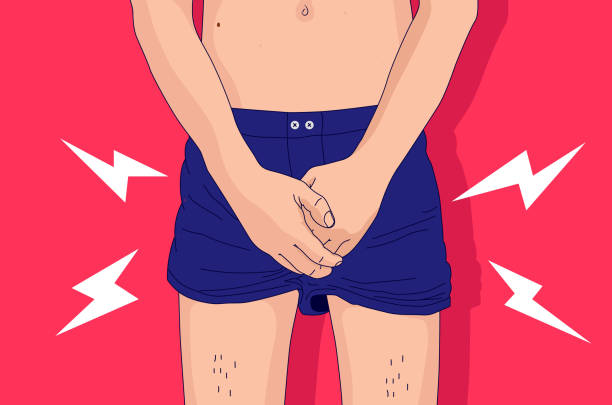
Common Causes of ED
Understanding what causes erectile dysfunction (ED) can help you take the right steps to treat it and regain confidence. ED often results from a combination of physical, psychological, and lifestyle factors, so knowing the root causes is key.
Physical Causes
Erectile dysfunction can occur when conditions affect blood flow, nerve function, or hormone levels. Common physical causes include:
- Heart disease and clogged arteries: Reduced blood flow to the penis makes it harder to get or maintain an erection.
- High blood pressure: Can damage blood vessels over time, limiting circulation.
- Diabetes: High blood sugar levels can harm nerves and blood vessels involved in sexual function.
- Obesity: Excess weight can affect hormones, circulation, and energy levels.
- Low testosterone: A drop in testosterone can lower sex drive and affect erections.
- Sleep disorders: Poor sleep can disrupt hormone balance and increase stress, affecting sexual health.
These health issues can damage the blood vessels and nerves that are essential for a strong erection. Managing these conditions with a doctor’s guidance often improves ED.
Psychological Causes
Mental health plays a major role in sexual function. Stress, anxiety, depression, and performance pressure can all interfere with arousal and erectile function. Even if there are no physical problems, psychological factors alone can cause or worsen Erectile dysfunction. Counseling, stress management, and open communication with your partner can help overcome these challenges.
Lifestyle Factors
Daily habits also impact erectile health. Smoking, heavy drinking, and a sedentary lifestyle increase the risk of Erectile dysfunction. On the other hand, regular exercise, a balanced diet, and limiting alcohol or quitting smoking can improve blood flow, hormone balance, and overall sexual performance.
By understanding and addressing the physical, psychological, and lifestyle causes of Erectile dysfunction, men can take a more effective, proactive approach to treatment and regain sexual confidence.
Proven Ways to Take Control Again
The good news? A mix of medical care, lifestyle change, and support can make a real difference.
1. Talk With a Healthcare Provider
Talking to a doctor is the first step.
What to Expect
Your doctor may:
- Ask about symptoms and medical history
- Do a physical exam
- Order tests (blood sugar, hormones, cholesterol)
- Suggest treatment options
A medical pro can rule out serious causes and tailor a plan just for you.
2. Consider Medications
Several medications help many men with ED. These include:
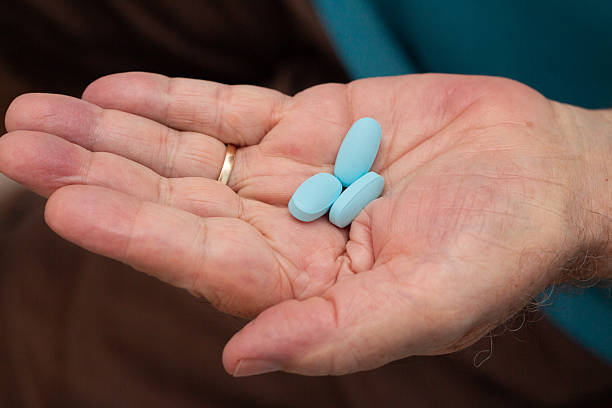
- Sildenafil (Viagra)
- Tadalafil (Cialis)
- Vardenafil (Levitra)
These drugs help increase blood flow to the penis. They are proven and widely used, but a doctor must prescribe them.
Make sure to tell your doctor about all meds you take — some drugs can interact dangerously.
3. Try Counseling for Emotional Support
Psychotherapy or sex therapy can help with:
- Anxiety and performance worries
- Relationship challenges
- Emotional blocks to intimacy
Talking with a trained counselor can improve confidence and sexual enjoyment.
4. Improve Your Lifestyle for Better Results
Your daily habits impact your sexual health more than you might think.
Eat Well
A balanced diet supports healthy blood flow. Focus on:
- Fruits and vegetables
- Whole grains
- Lean proteins
- Healthy fats like nuts and olive oil
Studies show that eating smart helps vascular health — essential for erections.
Stay Active
Regular exercise boosts circulation and mood. Aim for at least 150 minutes of moderate exercise per week.
Example activities:
- Walking or jogging
- Cycling
- Swimming
Movement also helps with weight management and stress relief.
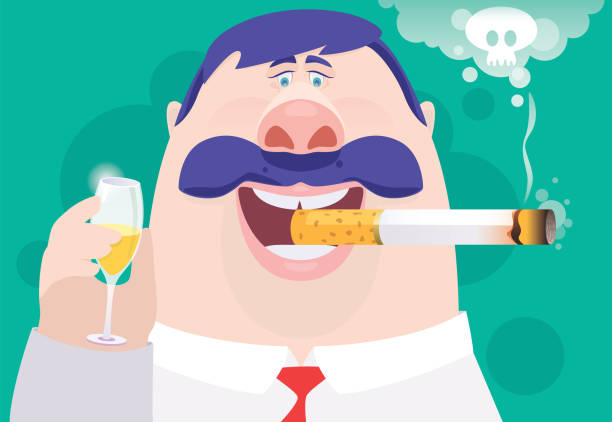
5. Quit Smoking and Limit Alcohol
Smoking has a direct impact on your blood vessels, narrowing them and reducing blood flow to many parts of the body, including the penis. This makes it harder to get and maintain an erection. Quitting smoking can improve circulation, boost overall health, and have a positive effect on sexual performance. Over time, men who stop smoking often notice stronger erections and increased energy.
Heavy alcohol use can also interfere with sexual performance. Drinking too much alcohol affects hormone levels, reduces sensitivity, and can make it difficult to maintain an erection. Cutting back on alcohol or drinking in moderation can improve results, increase stamina, and help you regain confidence in the bedroom. Combining healthy lifestyle choices — like quitting smoking and reducing alcohol — can have a powerful effect on erectile function and overall well-being.
6. Explore Devices & Therapies
For some men, medical devices and therapies can help.
Penis Pumps
A vacuum erection device (penis pump) can create an erection by drawing blood into the penis. A band holds the erection in place for sex.
Penile Injections
Some men use medications injected directly into the penis to trigger an erection.
Shockwave Therapy
A newer therapy called low‑intensity shockwave therapy may help improve blood flow and promote tissue repair. Ask your doctor if this is right for you.
7. Understand Your Partner’s Role
Healthy communication is key.
Talk Openly
Tell your partner how you feel — without blame or pressure.
Focus on Connection
Intimacy isn’t only about intercourse. Shared touch, laughter, and closeness build trust and reduce performance pressure.
Couples counseling can also help partners work together through ED.
8. Track Progress and Stay Patient
Improving ED takes time. Write down:
- Symptoms
- What works
- What doesn’t
Tracking helps you and your doctor adjust the plan.
It’s normal to try several approaches before finding the right fit.
Foods and Supplements That May Help
Some foods support blood flow and overall health:
- Beets: rich in nitrates that improve circulation
- Berries: antioxidants support vascular health
- Leafy greens: lots of nitric oxide
- Oysters: high in zinc, linked to testosterone production
⚠️ Note: Some supplements claim to treat ED without proof. Always talk to a doctor before trying any supplement.
When to Seek Immediate Medical Help
Go to a healthcare provider right away if:
- ED begins suddenly
- Erectile problems happen with pain or injury
- You have chest pain or shortness of breath
These may signal serious health issues.
ED and Age: What to Know
ED becomes more common with age, but it is not a normal part of aging. Many older men recover function with treatment and lifestyle change.
Common Myths About ED — Debunked
Myth 1: “Only older men get ED.”
Fact: ED can happen at any age.
Myth 2: “If I can’t get hard, I’m not attracted to my partner.”
Fact: ED is often physical or stress‑related — not a reflection of desire.
Myth 3: “I should just deal with it.”
Fact: Treatments exist. Silence only makes it harder.
Stay Motivated: You Are Not Alone
Remember:
- Millions of men experience ED
- ED is treatable
- Solutions combine medical care and lifestyle change
- Open communication strengthens your support
Without action, ED can impact confidence and relationships — but with help, many men regain control and satisfaction.
Conclusion: Hope, Support, and Real Solutions
Erectile dysfunction can feel isolating, but it doesn’t have to define you. With proven steps — from medical help and lifestyle change to emotional support — you can take back control of your health and relationships.
ED is a health issue, not a character flaw. By breaking the silence and taking action today, you move toward better physical health, stronger connections, and renewed confidence.
Ready to take the next step? Reach out to a healthcare provider and start your journey toward control and well‑being.
We’d love to hear your thoughts below — let’s end the stigma together.