

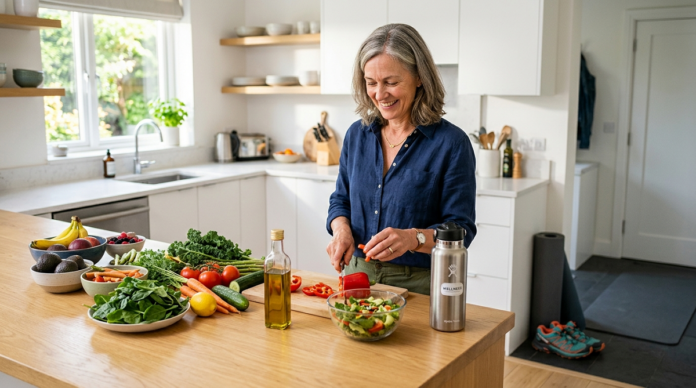
Living a healthier life does not mean changing everything at once. You do not need a strict diet, long workouts, or a perfect daily routine. In fact, small changes can often be easier to follow and keep over time.
Your daily habits affect your energy, mood, sleep, weight, and overall health. The good news is that many healthy lifestyle changes are simple. They can fit into a busy day without taking up hours of your time.
For more easy ideas you can use every day, check out our guide to 10 Simple Healthy Habits to Practice Every Day.
Whether you want to eat better, become more active, sleep well, or feel less stressed, you can start with one small step.
In this guide, we will look at 5 simple changes that can make your lifestyle healthier. These habits are practical, affordable, and easy to add to your daily routine.
Why Small Lifestyle Changes Matter
Many people think healthy living requires a complete life makeover. That idea can make getting started feel difficult.
A better approach is to focus on small actions you can repeat.
For example, drinking more water today is easier than promising yourself you will never drink another sugary drink. Taking a 15-minute walk is easier than deciding you must spend an hour at the gym every day.
Small habits can also build on each other.
You may start by walking more. Then you may begin choosing healthier meals. Better food choices may give you more energy. More energy may make it easier to stay active.
Over time, these simple choices can become part of your normal lifestyle.
The Centers for Disease Control and Prevention (CDC) notes that healthy living includes healthy eating, physical activity, sleep, and stress management.
So, what simple changes can you make today?
1. Move Your Body More Every Day
One of the easiest ways to create a healthier lifestyle is to move more.
You do not have to become a serious athlete. You simply need to find more ways to be active during your day.
Walking is a great place to start. It is simple, free, and does not require special equipment.
Regular physical activity can support heart health, brain health, stronger muscles, better sleep, and a healthier weight. It may also help reduce symptoms of anxiety and depression.

Start With Short Walks
If you spend most of your day sitting, do not worry about reaching a big exercise goal right away.
Start small.
Try:
- Walking for 10 minutes after a meal
- Taking the stairs instead of the elevator
- Parking farther away from a store
- Walking while talking on the phone
- Doing light chores around the house
- Stretching during work breaks
- Playing outside with your children
- Taking a short walk in the morning or evening
These small movements can add up.
For adults, the CDC recommends at least 150 minutes of moderate physical activity each week, plus muscle-strengthening activities on at least two days each week. You can divide that time into smaller sessions that fit your schedule.
Make Exercise Enjoyable
Exercise does not have to feel like punishment.
Choose activities you enjoy. You might like dancing, gardening, cycling, swimming, walking, or playing a sport.
The best exercise is often the one you are willing to keep doing.
Simple goal: Add 10–15 minutes of movement to your day this week.
2. Make One Healthier Food Choice at Each Meal
Healthy eating does not mean you need to follow a strict diet.
Instead of trying to change your entire diet overnight, start by improving one meal at a time.
For example, you could add vegetables to lunch. You could replace a sugary drink with water. You could choose fruit instead of a sweet snack.
These choices may seem small, but they can become powerful when repeated.
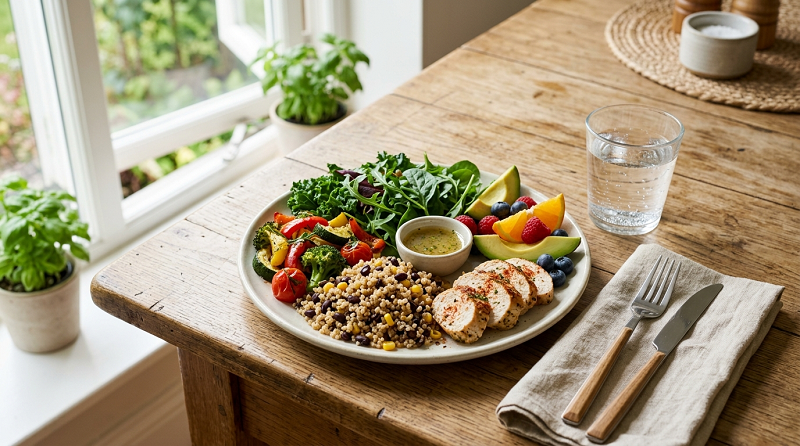
The World Health Organization recommends a healthy eating pattern based on adequacy, balance, moderation, and variety. It also recommends eating a variety of minimally processed and unprocessed foods while limiting excess unhealthy fats, free sugars, and sodium.
Add More Whole Foods
Try to include more foods such as:
- Vegetables
- Fruits
- Whole grains
- Beans and other legumes
- Eggs
- Fish
- Lean meats
- Nuts and seeds
- Low-fat or unsweetened dairy foods
You do not have to remove every food you enjoy.
A healthier lifestyle can still include your favorite foods. The key is balance and portion awareness.
Improve Your Drinks
Drinks are an easy place to make a change.
Sugary drinks can add a lot of calories without making you feel full. Try drinking more water during the day.
You can make water more enjoyable by adding:
- Lemon
- Lime
- Cucumber
- Mint
- Fresh fruit
Unsweetened tea can also be a good option.
Use the “Add, Not Just Remove” Approach
Instead of thinking, “I cannot eat this,” think:
“What healthy food can I add?”
Add vegetables to your plate. Add fruit to breakfast. Add beans to a meal. Add water to your daily routine.
This mindset can make healthy eating feel less restrictive.
Simple goal: Make one healthier food or drink choice at every meal today.
3. Create a Better Sleep Routine
Sleep is one of the most important parts of a healthy lifestyle, yet it is often ignored.
You may try to eat better and exercise more, but poor sleep can leave you feeling tired and unmotivated.
A consistent sleep routine can help you make rest a regular part of your day.
Keep a Regular Bedtime
Try going to bed and waking up around the same time each day.
Your schedule does not need to be perfect. However, a regular routine can help your body know when it is time to rest.
You can also create a simple bedtime routine.
For example:
- Finish large meals earlier in the evening.
- Dim bright lights.
- Put your phone away.
- Take a warm shower.
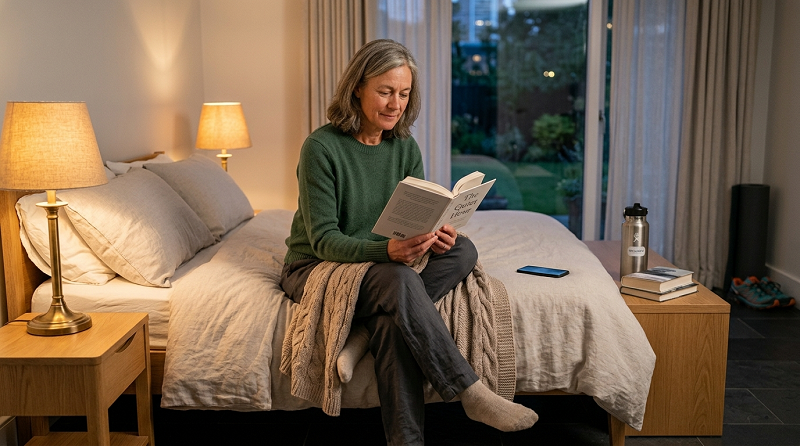
- Read a book.
- Do some gentle stretching.
- Go to bed at a regular time.
Make Your Bedroom More Sleep-Friendly
Your bedroom should feel calm and comfortable.
Consider keeping it:
- Dark
- Quiet
- Cool or comfortable
- Free from unnecessary distractions
Try to reduce screen use before bed if it makes it harder for you to relax.
You can also avoid caffeine late in the day if it affects your sleep.
The CDC recommends healthy sleep habits such as keeping a regular sleep schedule, making the bedroom comfortable, and avoiding certain foods, drinks, and activities close to bedtime.
Simple goal: Choose a regular bedtime and follow the same relaxing routine for the next seven nights.
4. Take Short Breaks to Reduce Stress
Stress is a normal part of life.
Work, family responsibilities, money, relationships, and daily problems can all create stress. You may not be able to remove every source of stress, but you can change how you respond to it.
One simple lifestyle change is to take short breaks during the day.
You do not need an hour of meditation. Even a few quiet minutes can give you a chance to slow down.
Try a Five-Minute Reset
When you feel overwhelmed, stop for five minutes.
You could:
- Take slow, deep breaths
- Walk outside
- Stretch your body
- Listen to calming music
- Sit quietly
- Drink a glass of water
- Write down your thoughts
- Talk with someone you trust
The goal is not to make every problem disappear.
The goal is to give your mind a short break.
Spend More Time Outside
Going outdoors can also be a simple way to break up a busy day.
Take a short walk around your neighborhood. Sit in a garden. Eat lunch outside. Spend time in a park.
You can combine stress management with physical activity by taking a relaxing walk.
Protect Your Personal Time
A healthier lifestyle also means making space for yourself.
If every part of your day is filled with work and responsibilities, you may eventually feel drained.
Try setting aside even 10 minutes for something you enjoy.
Read. Listen to music. Talk to a friend. Work on a hobby. Sit quietly.
Small moments of rest matter.
Simple goal: Take at least one five-minute break each day without your phone or other distractions.
5. Build Healthy Habits Around Your Daily Routine
The final change is perhaps the most important: make healthy habits easier to repeat.
Motivation can come and go.
Habits are more reliable.
Instead of asking yourself to make the right decision every day, create an environment that makes healthy choices easier.
Prepare Ahead of Time
Planning can save you from making rushed choices.
For example, you can:
- Prepare healthy snacks ahead of time
- Keep a water bottle nearby
- Put walking shoes near the door
- Plan simple meals for the week
- Keep fruit where you can see it
- Set a regular bedtime
- Schedule short walking breaks
The easier a habit is to start, the more likely you are to do it.
Start With One Habit
Trying to change everything at once can be overwhelming.
Choose one habit first.
For example:
Week 1: Drink more water.
Week 2: Add a daily 10-minute walk.
Week 3: Add vegetables to one meal each day.
Week 4: Create a regular bedtime.
Once a habit feels normal, add another.
This approach is much easier than trying to completely change your lifestyle in one day.
Track Your Progress
You can use a simple notebook or phone app to track your habits.
Write down things such as:
- How many days you walked
- How much water you drank
- When you went to bed
- How many servings of vegetables you ate
- How often you took stress breaks
Do not use tracking to judge yourself.
Use it to notice your progress.
If you miss a day, start again the next day.
Simple goal: Pick one healthy habit and repeat it for seven days.
A Simple Healthy Lifestyle Plan
You do not need a complicated routine to start living healthier.
Here is a simple example:
Morning
- Drink a glass of water.
- Eat a balanced breakfast.
- Take a short walk or stretch.
- Get some natural light.
Afternoon
- Choose a meal with vegetables, protein, and whole grains.
- Drink water instead of a sugary drink.
- Take a short movement break.
- Step outside for a few minutes.
Evening
- Eat a balanced dinner.
- Take a relaxing walk.
- Reduce screen time before bed.
- Do something calming.
- Go to bed at a regular time.
This routine does not need to be perfect.
Some days will be busy. Some days will not go as planned.
That is normal.
The goal is to build a lifestyle that works in real life.
Common Mistakes to Avoid When Building Healthy Habits
Healthy living is not about being perfect. In fact, perfection can make healthy habits harder to maintain.
Here are a few common mistakes to avoid.
Trying to Change Everything at Once
If you suddenly change your diet, exercise routine, sleep schedule, and daily routine, you may feel overwhelmed.
Start with one or two changes.
Setting Unrealistic Goals
A goal such as “I will exercise two hours every day” may not fit your schedule.
A goal such as “I will walk for 15 minutes after dinner” may be easier to maintain.
Giving Up After One Bad Day
Everyone has difficult days.
One unhealthy meal does not ruin your progress.
One missed workout does not erase your effort.
Get back to your routine at the next opportunity.
Following Every New Health Trend
You do not need every new diet or wellness trend.
Focus on basic habits that have strong support: healthy food choices, regular physical activity, enough sleep, stress management, and preventive health care. The CDC identifies poor nutrition, physical inactivity, tobacco use, and excessive alcohol use as major risk factors for chronic disease.
How to Make Healthy Living Easier
The secret to a healthier lifestyle is not doing more.
It is making better choices easier.
Try changing your environment.
Keep fruit on the kitchen counter. Keep a water bottle on your desk. Put your walking shoes where you can see them. Prepare healthy meals before you get too hungry.
You can also ask friends or family to join you.
Take a walk together. Cook a healthy meal together. Encourage each other to stay active.
Healthy habits can be easier and more enjoyable when you do them with other people.
When Should You Talk to a Health Professional?
Healthy lifestyle changes can benefit many people, but individual needs are different.
If you have a medical condition, take medication, are pregnant, or have concerns about starting a new exercise program, talk with a qualified health professional before making major changes.
You should also seek professional advice if you have ongoing problems with sleep, unexplained weight changes, persistent fatigue, or other symptoms that concern you.
A health professional can help you choose habits that are safe and appropriate for your needs.
Your Healthier Lifestyle Starts With One Small Step
You do not need to wait for Monday.
You do not need a perfect meal plan.
You do not need an expensive gym membership.
And you do not need to change your entire life overnight.
Start with one small action.
Take a walk.
Drink a glass of water.
Add vegetables to your next meal.
Go to bed a little earlier.
Take five quiet minutes for yourself.
These actions may seem simple, but repeated healthy choices can become powerful habits over time.
The CDC emphasizes that even modest increases in physical activity can provide health benefits, especially for people who are currently inactive.
Conclusion: Small Changes Can Lead to a Healthier Life
A healthier lifestyle does not have to be complicated.
The 5 simple lifestyle changes in this guide are a great place to start:
- Move your body more every day.
- Make healthier food choices.
- Create a better sleep routine.
- Take short breaks to manage stress.
- Build healthy habits into your daily routine.
You do not have to do all five perfectly.
Choose one.
Make it easy.
Repeat it.
Then build from there.
Your health is shaped by what you do regularly, not just what you do once in a while. Small choices made each day can help create a lifestyle that supports your energy, well-being, and long-term health.
Ready to get started? Pick one healthy change from this list and try it today. Then tell us in the comments: Which healthy habit are you going to start first?