
Healthy living does not have to mean strict diets, long workouts, or a complete change in your daily routine.
In fact, some of the best healthy habits are simple. They may take only a few minutes. You can add them to your day without giving up the things you enjoy.
The key is to focus on small actions that you can repeat.
A short walk can count as exercise. Drinking more water can be a simple health win. Going to bed a little earlier can help your body recover. Adding one more serving of vegetables to your meal can also make a difference.
The goal is not to become perfect overnight. The goal is to make better choices more often.
The World Health Organization recommends regular physical activity, a varied diet, and less time spent sitting. It also notes that all movement counts, and some activity is better than none.
So, if you have ever thought that healthy living is too hard, think again.
Here are some easy healthy habits that you can start today.
1. Start Your Day With Water
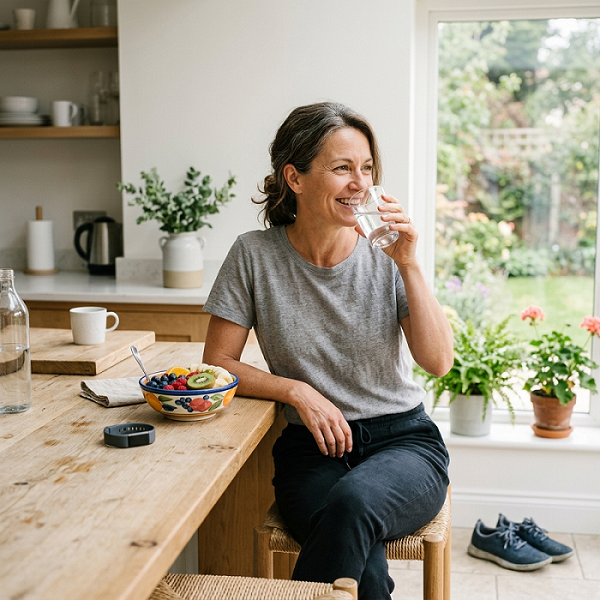
One of the easiest healthy habits is also one of the simplest: drink water.
Your body needs water to work well. Water helps support many basic body functions, including digestion and temperature control.
You do not need a fancy drink or expensive powder. Plain water is often a great choice.
Make drinking water easier
Try these simple tricks:
- Keep a water bottle near you.
- Drink a glass of water when you wake up.
- Take water with you when you leave home.
- Drink water with meals.
- Set a simple reminder if you often forget.
- Add lemon, lime, or mint if you prefer more flavor.
You do not need to change everything at once. Start by adding one extra glass of water to your day.
Then build from there.
2. Walk More During the Day
You do not need a gym membership to become more active.
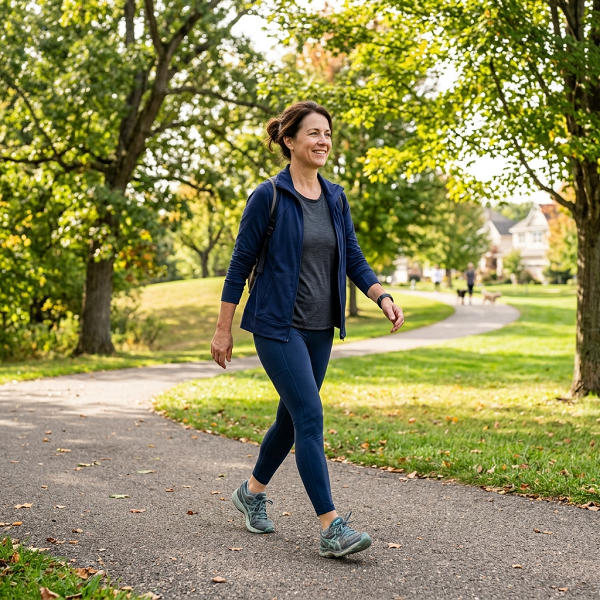
Walking is one of the easiest forms of exercise. It can fit into many parts of your day.
You can walk around your neighborhood, at work, in a park, or around your home.
The WHO says physical activity includes walking, cycling, household chores, work, and other forms of movement. It also states that any amount of activity is better than none.
Easy ways to add more steps
Try:
- Taking the stairs when possible
- Walking while talking on the phone
- Parking a little farther away
- Taking a short walk after lunch
- Walking around your home during breaks
- Doing household chores
- Taking a 10-minute evening walk
These small changes may not seem important at first.
But healthy habits become powerful when you repeat them.
3. Add More Fruits and Vegetables to Your Meals
You do not need to follow a complicated diet to eat better.
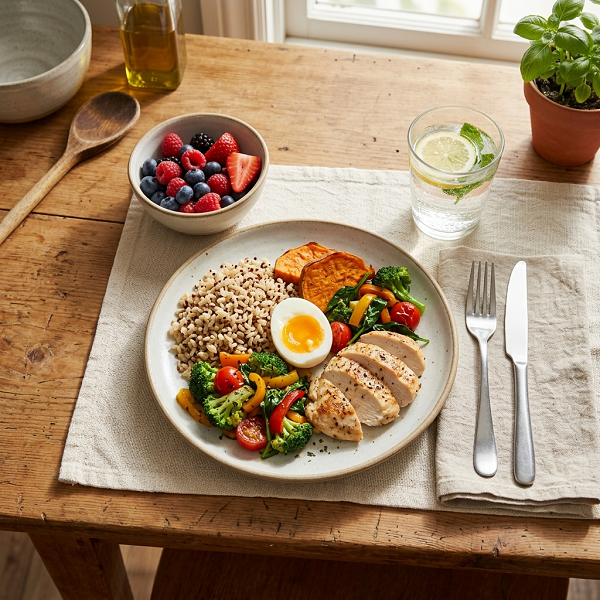
One easy step is to add more fruits and vegetables to your meals.
The WHO recommends a varied diet based on foods such as fruits, vegetables, whole grains, pulses, and other nutritious foods. For people older than 10, it recommends at least 400 grams of fruits and vegetables each day.
You do not have to completely change your favorite meals.
Instead, try adding something healthy.
For example:
- Add banana to breakfast.
- Put vegetables in your eggs.
- Add a side salad to lunch.
- Keep fruit where you can see it.
- Add vegetables to soups and stews.
- Choose fruit instead of a sugary snack sometimes.
Think add before you subtract.
Adding nutritious foods can make healthy eating feel much easier.
4. Make One Meal Healthier
Trying to eat perfectly all day can feel stressful.
Instead, choose one meal to improve.
For example, you could make breakfast your healthy meal.
Try:
Breakfast: Oatmeal, fruit, and nuts
Lunch: Rice, vegetables, and lean protein
Dinner: Your normal meal with an extra serving of vegetables
Once one meal becomes easier, you can improve another.
This approach takes away some of the pressure.
A healthy diet does not have to look the same for everyone. The WHO explains that healthy diets can vary based on individual needs, lifestyle, culture, and available foods.
The goal is balance, variety, and moderation.
5. Choose Whole Foods More Often
You do not need to avoid every packaged food.
But you can make whole or minimally processed foods a bigger part of your diet.
Examples include:
- Fresh or frozen vegetables
- Fruits
- Beans
- Lentils
- Oats
- Brown rice
- Eggs
- Fish
- Nuts and seeds
- Lean meats
The WHO notes that minimally processed and unprocessed foods can form the foundation of a healthy diet.
A simple rule is:
Choose foods that give your body something useful.
That might be fiber, protein, vitamins, minerals, or healthy fats.
6. Eat More Slowly
Healthy eating is not only about what you eat.
It can also be about how you eat.
Eating slowly gives you more time to enjoy your food. It may also help you notice when you are becoming full.
Try putting your fork down between bites.
Take a breath.
Enjoy the taste.
Eat without rushing when possible.
You do not have to make every meal a long event. Even slowing down for a few minutes can make meals feel more relaxed.
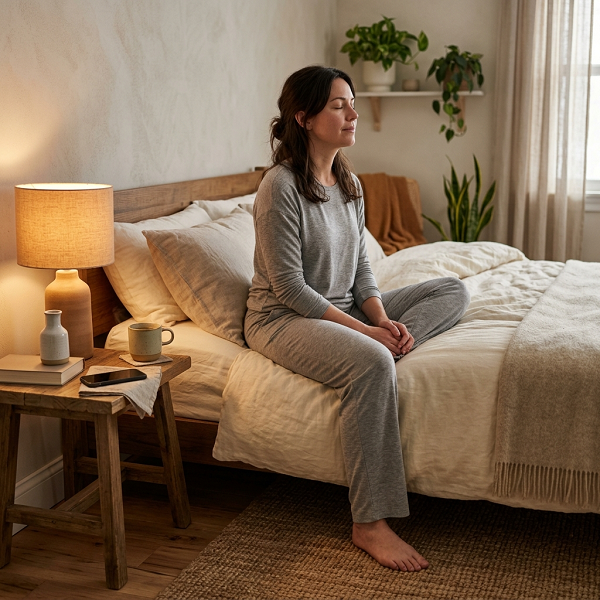
7. Get Better Sleep
Sleep is one of the most important healthy habits, yet it is often pushed aside.
Busy days can make it easy to stay up late. Phones, television, work, and social media can also keep your mind active.
But sleep matters for both body and mind.
The CDC notes that enough sleep can support mood, attention, heart health, metabolism, and overall health.
Simple ways to improve sleep
Try:
- Go to bed at about the same time each night.
- Wake up at a similar time each morning.
- Keep your bedroom cool and quiet.
- Reduce bright light before bed.
- Put electronic devices away before sleeping.
- Avoid caffeine later in the day.
- Give yourself enough time to sleep.
The National Heart, Lung, and Blood Institute also recommends a regular sleep schedule and a quiet period before bed.
You do not need a perfect bedtime routine.
Start with one change.
For example, put your phone away 30 minutes before bed.
8. Take Short Movement Breaks
Do you sit for hours while working?
You can make your day healthier by getting up more often.
Stand up.
Stretch.
Walk around.
Refill your water.
Do a few simple movements.
You do not need to wait for your workout.
The WHO recommends limiting sedentary time and emphasizes that all physical activity counts.
Try the simple movement rule
Every hour, ask yourself:
“Have I moved recently?”
If the answer is no, get up for a few minutes.
This small habit can be much easier than trying to find a full hour for exercise.
9. Make Exercise Short and Simple
Many people avoid exercise because they think they need a long workout.
You do not.
Start with what you can manage.
A 10-minute walk is better than sitting for 10 more minutes.
You could also try:
- 10 squats
- A short stretching routine
- Walking around the block
- Light resistance exercises
- Dancing to a few songs
- Gardening
- Playing with your children
Over time, you can increase the amount.
For adults, WHO guidelines recommend 150–300 minutes of moderate aerobic activity each week, or an equivalent amount of vigorous activity. But the important point for beginners is that activity can be built up over time.
Start small.
Then keep going.
10. Keep Healthy Snacks Ready
Hunger can make healthy choices harder.
If the easiest food available is a bag of chips or a sugary snack, you may reach for it without thinking.
Make the healthier choice easier.
Keep simple snacks nearby, such as:
- Apples
- Bananas
- Oranges
- Yogurt
- Nuts
- Boiled eggs
- Carrot sticks
- Fresh fruit
- Whole-grain crackers
You do not have to remove every treat from your home.
The idea is to make nutritious options easy to reach.
11. Reduce Sugary Drinks
You may eat fairly well but still drink a lot of added sugar.
Soda, sweetened coffee drinks, energy drinks, and other sugary beverages can add a lot of sugar to your diet.
You do not have to quit everything at once.
Try replacing one sugary drink each day with:
- Water
- Sparkling water
- Unsweetened tea
- Plain coffee
- Water with lemon
The WHO recommends limiting free sugars as part of a healthy diet.
One simple drink swap can become a long-term healthy habit.
12. Practice Simple Stress Relief
Your health is not only about food and exercise.
Stress matters too.
You do not need a complicated wellness routine to relax.
Try taking five minutes to:
- Take slow, deep breaths
- Sit somewhere quiet
- Listen to calming music
- Stretch
- Walk outside
- Talk with someone you trust
- Write down your thoughts
- Spend time doing something you enjoy
A short break can help you reset during a busy day.
You may not be able to remove every source of stress.
But you can create small moments of calm.
13. Spend More Time Outside
Going outside is another easy healthy habit.
You could take a morning walk, sit in your garden, eat lunch outside, or simply spend a few minutes getting fresh air.
Combine outdoor time with another habit.
For example:
Walk + sunlight + quiet time = one simple wellness break.
This can make healthy habits easier because you are doing several useful things at once.
14. Make Healthy Choices More Convenient
One of the best ways to build healthy habits is to make them easy.
If you want to eat more fruit, put it where you can see it.
If you want to walk more, keep comfortable shoes ready.
If you want to drink more water, keep a bottle on your desk.
If you want to sleep earlier, set a bedtime reminder.
Your environment can help you make better choices without using more willpower.
Make the healthy choice the easy choice
Ask yourself:
“How can I make this habit easier?”
That question can change everything.
15. Do Not Try to Change Everything at Once
This may be the most important healthy habit of all.
You do not need to start ten new habits tomorrow.
In fact, trying to change everything at once can leave you tired and frustrated.
Choose one or two habits.
For example:
Week 1: Drink more water.
Week 2: Add a 10-minute walk.
Week 3: Add one more serving of vegetables.
Week 4: Create a better bedtime routine.
Small steps can build into a healthier lifestyle.
16. Focus on Progress, Not Perfection
Everyone has bad days.
You may skip your walk.
You may eat more dessert than planned.
You may stay up too late.
That does not mean you failed.
One unhealthy meal does not erase your progress.
One missed workout does not erase your effort.
The best healthy habits are the ones you can return to again and again.
If you get off track, simply start again at the next meal, the next morning, or the next opportunity.
17. Create a Simple Daily Healthy Habits Checklist
You can make healthy living even easier with a short checklist.
Try this:
Morning
- Drink a glass of water.
- Eat a balanced breakfast.
- Get a few minutes of movement.
- Take a moment to plan your day.
Afternoon
- Drink water.
- Add vegetables or fruit to your meal.
- Take a short movement break.
- Take a few deep breaths if you feel stressed.
Evening
- Eat a balanced dinner.
- Take a short walk if possible.
- Reduce screen time before bed.
- Go to bed at a regular time.
You do not have to complete every item every day.
Use the list as a guide, not a test.
18. Build Healthy Habits Around Things You Already Do
One clever way to make habits stick is to connect them to habits you already have.
For example:
After brushing your teeth → drink water.
After lunch → walk for 10 minutes.
After work → stretch for five minutes.
Before bed → put your phone away.
This is sometimes called habit stacking.
The old habit becomes a reminder for the new one.
It removes some of the need to remember what you should do.
19. Find Healthy Habits You Actually Enjoy
A healthy lifestyle should not feel like punishment.
If you hate running, you do not have to run.
Try walking.
If you dislike lifting weights, try dancing or cycling.
If you do not enjoy eating plain vegetables, add herbs, spices, or a healthy sauce.
If you hate going to the gym, exercise at home.
There are many ways to take care of your body.
The best healthy habit is often the one you enjoy enough to repeat.
20. Start With One Healthy Habit Today
You do not need a new year.
You do not need Monday.
You do not need expensive equipment.
You can start today.
Pick one:
- Drink one more glass of water.
- Take a 10-minute walk.
- Add fruit to your breakfast.
- Add vegetables to your dinner.
- Go to bed 30 minutes earlier.
- Take a short movement break.
- Spend five minutes relaxing.
- Replace one sugary drink with water.
Then do it again tomorrow.
That is how lasting change begins.
A Simple 7-Day Healthy Habits Challenge
Ready to make healthy living easier?
Try this simple seven-day challenge.
Day 1: Drink more water.
Day 2: Take a 10-minute walk.
Day 3: Add one fruit or vegetable to a meal.
Day 4: Take regular movement breaks.
Day 5: Turn off your screens 30 minutes before bed.
Day 6: Spend five minutes relaxing.
Day 7: Repeat your favorite habit from the week.
At the end of the week, ask yourself:
Which habit felt easiest?
Keep that one.
Then build another.
Why Small Healthy Habits Matter
It is easy to believe that health requires major changes.
But small actions can add up.
A short walk today can become a daily walk.
One glass of water can become better hydration.
One healthier meal can become a healthier eating pattern.
A better bedtime can become a regular sleep routine.
The WHO reports that regular physical activity provides important physical and mental health benefits, including benefits for heart health, blood sugar control, mental health, brain health, and overall well-being.
Healthy living is not about doing everything perfectly.
It is about making choices that support your health again and again.
For more simple ideas you can add to your routine, check out our guide to everyday habits of a healthy lifestyle.
Your Healthier Life Can Start With Something Small
Healthy habits are often easier than we think.
You do not need to completely change your life. You only need to find small actions that fit into the life you already have.
Drink more water.
Move a little more.
Eat more fruits and vegetables.
Sleep well.
Take breaks.
Manage stress.
And give yourself room to make mistakes.
The most important thing is consistency.
If you are ready to improve your health, choose one easy habit today and commit to it for the next seven days.
Then tell us in the comments: Which healthy habit are you going to start first?
Your small change could even inspire someone else to begin.