

Diet trends come and go. One year, everyone is cutting carbs. The next, fasting is everywhere. Then a new high-protein food or weight-loss method takes over social media.
But the biggest diet trends of 2026 are taking a slightly different path. Instead of focusing only on eating less, many popular approaches now focus on protein, fiber, whole foods, meal timing, metabolic health, and long-term habits.
That is good news.
A healthy diet does not need to be extreme. In fact, the best eating plan is one you can follow for months and years. The National Institute of Diabetes and Digestive and Kidney Diseases (NIDDK) says a healthy eating plan should be one you can maintain over time.
So, which diet trends are worth trying in 2026?
Let’s look at the biggest ones, what the science says, and how you can use the helpful parts without falling for the hype.
1. High-Protein Diets Are Still One of the Biggest Diet Trends
High-protein eating is not new, but it remains one of the strongest weight loss diet trends in 2026.
Protein helps you feel full after meals. It also helps support muscles while you lose weight. This is especially important because losing weight is not only about the number on the scale. Maintaining muscle is an important part of healthy weight management.
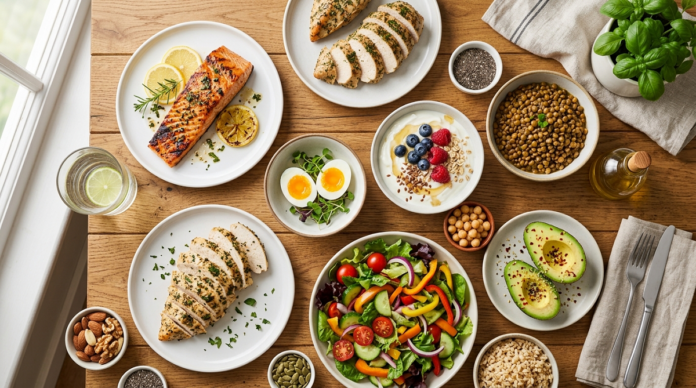
Popular high-protein foods include:
- Eggs
- Fish
- Chicken
- Greek yogurt
- Cottage cheese
- Beans and lentils
- Tofu and other soy foods
- Nuts and seeds
- Lean meats
The CDC recommends including healthy protein sources such as seafood, meat, poultry, eggs, beans, peas, lentils, soy foods, nuts, and seeds as part of a healthy eating pattern.
Is a high-protein diet worth trying?
Yes, with balance.
The goal is not to eat huge amounts of protein at every meal. Instead, include a reasonable protein source with meals and snacks while also eating vegetables, fruits, whole grains, and healthy fats.
A simple plate might include grilled chicken, brown rice, and a large serving of vegetables.
That is much more useful than replacing most of your food with protein shakes and bars.
2. The Mediterranean Diet Remains a Smart Choice
Some diet trends disappear quickly. The Mediterranean diet is different.
It has stayed popular because it is less about strict rules and more about eating a wide range of nutritious foods.
A Mediterranean-style eating pattern usually includes:
- Vegetables
- Fruits
- Beans and lentils
- Whole grains
- Nuts and seeds
- Olive oil
- Fish
- Moderate amounts of poultry, eggs, and dairy
- Less red and processed meat
- Fewer highly processed foods
The American Heart Association supports a Mediterranean-style eating pattern that emphasizes vegetables, fruits, whole grains, beans, legumes, nuts, fish, and healthy oils while limiting added sugars, highly processed foods, refined carbohydrates, and saturated fats.
Why is the Mediterranean diet still popular in 2026?
Because it is practical.
You do not need special foods. You do not need expensive supplements. You can also adjust it to your local foods and culture.
For example, you could build a Mediterranean-style meal with grilled fish, vegetables, brown rice, beans, and a small amount of olive oil.
Is it worth trying?
Absolutely.
If you want a flexible diet that supports healthy eating without removing entire food groups, this is one of the strongest choices.
3. High-Fiber Eating Is Getting More Attention
Fiber is another major focus of healthy diet trends in 2026.
Instead of simply asking, “How many calories does this food have?” more people are looking at what the food provides.
Fiber-rich foods can help make meals more filling. They also add important nutrients to the diet.
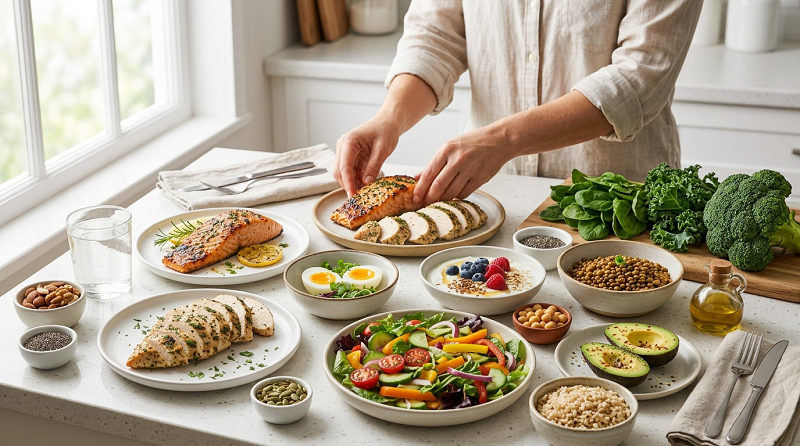
Good sources include:
- Oats
- Brown rice
- Whole-grain bread
- Beans
- Lentils
- Vegetables
- Berries
- Apples
- Pears
- Nuts and seeds
The NIDDK recommends vegetables, whole fruits, whole grains, beans, peas, lentils, nuts, and seeds as part of a healthy eating plan.
A simple way to eat more fiber
Do not try to change your whole diet overnight.
Instead:
- Add vegetables to lunch and dinner.
- Choose whole fruit instead of fruit juice.
- Replace some refined grains with whole grains.
- Add beans or lentils to soups and meals.
- Snack on fruit, nuts, or seeds.
Small changes can add up.
4. Time-Restricted Eating and Intermittent Fasting
Intermittent fasting remains one of the most talked-about diet trends of 2026.
One popular version is time-restricted eating. This means eating during a set window each day and avoiding calories outside that window.
For example, someone might eat within a 10-hour window and then fast for 14 hours.
New research in 2026 has added to the discussion. A randomized trial found that a 10-hour eating window led to greater weight loss than standard dietary counseling over 12 weeks in adults with obesity.
But the research is not one-sided.
Other controlled studies have found that time-restricted eating may not produce extra weight loss when calorie intake is kept the same. This suggests that part of its benefit may come from helping people naturally eat less.
Is intermittent fasting worth trying?
It can be, but it is not magic.
For some people, having a clear eating window makes it easier to avoid late-night snacking.
For others, fasting can lead to strong hunger, overeating later, or an eating pattern that is hard to maintain.
The best approach is the one that fits your lifestyle.
If you take medications, have a medical condition, are pregnant, or have a history of an eating disorder, talk with a health professional before trying fasting.
5. Plant-Forward Diets Are Growing in 2026
You do not have to become fully vegan to eat more plants.
That idea is behind the growing plant-forward diet trend.
Plant-forward eating means making plant foods a bigger part of your meals while still allowing flexibility.
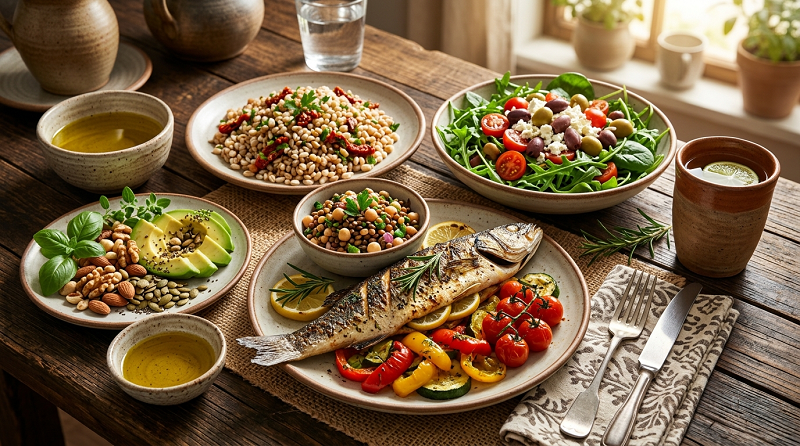
Your plate might include:
- Vegetables
- Beans
- Lentils
- Fruits
- Whole grains
- Nuts
- Seeds
- Tofu
- Small or moderate portions of animal foods
This approach can be easier to follow than a strict vegan diet.
Why is plant-forward eating worth considering?
It encourages variety.
Instead of focusing on what you cannot eat, you focus on adding more nutritious foods.
Try adding:
- Beans to tacos
- Lentils to soups
- Spinach to eggs
- Vegetables to pasta
- Berries to yogurt
- Nuts and seeds to oatmeal
The result is a diet that can be both healthy and satisfying.
6. GLP-1-Friendly Nutrition Is Changing the Conversation
One of the biggest changes in weight management is the growing use of GLP-1 medications.
This has created a new diet trend: eating in a way that supports nutrition when appetite is reduced.
People using GLP-1 medications may eat less food overall. That makes food quality even more important.
Current nutrition discussions around GLP-1 use often focus on:
- Getting enough protein
- Eating fiber-rich foods
- Staying hydrated
- Choosing nutrient-dense meals
- Supporting muscle through exercise
- Avoiding a diet based mainly on highly processed foods
This is becoming a major part of the weight-loss conversation. The food industry is also developing products aimed at people using GLP-1 medications, including higher-protein and nutrition-focused products.
Is a GLP-1 diet something everyone should try?
No.
GLP-1 medications are medical treatments, not simply another diet trend. They should only be used under appropriate medical guidance.
However, the nutrition principles can be useful even if you are not taking medication.
Eating enough protein, vegetables, fruits, whole grains, and other nutrient-rich foods is good advice for most adults.
7. Personalized Diets Are Becoming More Popular
Another important trend is personalized nutrition.
Instead of believing that one diet works for everyone, people are paying more attention to individual needs.
Your best diet may depend on:
- Your food preferences
- Your schedule
- Your activity level
- Your budget
- Your culture
- Your health needs
- Your cooking skills
- Your ability to follow the plan long term
This idea matches guidance from NIDDK, which notes that different eating plans may work for different people. A successful plan should be backed by evidence and fit your health needs, preferences, and values.
Why personalization matters
Imagine two people.
One loves cooking and enjoys vegetables, fish, and whole grains.
The other has little time to cook and prefers simple meals.
Giving both people the exact same diet may not work.
A better plan finds healthy choices that fit each person’s real life.
8. The “Less Ultra-Processed Food” Trend
Another major movement in 2026 is simple:
Eat more real food and fewer highly processed foods.
This does not mean you must avoid every packaged food.
Frozen vegetables, canned beans, plain yogurt, and other convenient foods can be part of a healthy diet.
The bigger concern is relying heavily on foods that are high in added sugars, sodium, unhealthy fats, and calories while providing fewer nutrients.
The CDC recommends an eating pattern built around nutrient-dense foods and limiting added sugars, saturated fats, sodium, and highly processed foods.
Try this simple food swap
Instead of:
Sugary cereal → oatmeal with fruit and nuts
Chips → nuts or air-popped popcorn
Sugary drink → water or unsweetened tea
Candy → fruit and Greek yogurt
Fast-food meal → a simple homemade bowl with protein, vegetables, and whole grains
You do not need to make every meal perfect.
You just need to make more helpful choices more often.
9. Keto Is Still Popular, But It Is Not for Everyone
The ketogenic diet remains part of the biggest diet trends of 2026.
Keto greatly reduces carbohydrates and increases fat intake. It has a large following, especially among people interested in weight loss and blood sugar control.
Interestingly, a 2026 randomized study comparing ketogenic, Mediterranean, and plant-forward diets found meaningful improvements across all three approaches. The ketogenic diet showed some additional benefits for liver and metabolic measures in that specific study.
That does not mean keto is automatically the best diet for everyone.
It can be restrictive. Some people find it difficult to follow. It may also make it harder to include foods such as whole grains, beans, and some fruits.
Should you try keto?
Maybe—but consider your whole health picture.
If you are thinking about a very low-carb diet, especially if you have diabetes or take medications, speak with your health professional first.
10. “Food Quality First” May Be the Biggest Trend of All
Perhaps the most useful trend of 2026 is not a specific diet.
It is a change in thinking.
Instead of asking:
“Which diet will make me lose weight fastest?”
Ask:
“Which way of eating can help me feel better and stay healthy for years?”
That question changes everything.
A healthy eating pattern can include:
- Protein
- Vegetables
- Fruits
- Whole grains
- Beans and lentils
- Healthy fats
- Plenty of water
- Foods you actually enjoy
The CDC notes that healthy weight management involves more than food. Physical activity, sleep, and stress management also matter.
Which 2026 Diet Trends Are Actually Worth Trying?
Here is a simple breakdown:
| Diet Trend | Worth Trying? | Best Feature |
|---|---|---|
| High-protein eating | Yes | Helps support fullness and muscle |
| Mediterranean diet | Yes | Flexible and nutrient-rich |
| High-fiber eating | Yes | Supports a nutrient-dense diet |
| Time-restricted eating | Maybe | Can simplify meal timing |
| Plant-forward eating | Yes | Encourages more whole plant foods |
| GLP-1 nutrition | For users under medical care | Focuses on nutrient quality |
| Personalized nutrition | Yes | Fits individual needs |
| Less ultra-processed food | Yes | Improves overall food quality |
| Keto | Maybe | Can work for some people but is restrictive |
The important lesson is that you do not have to choose only one.
You can combine the best ideas.
For example, you could eat a Mediterranean-style diet, increase protein and fiber, reduce highly processed foods, and use a reasonable eating window if it works for you.
How to Choose the Best Diet for You
Before starting a new diet, ask yourself five questions.
1. Can I follow it long term?
If you cannot imagine following the diet six months from now, it may not be the right choice.
2. Does it include enough nutritious food?
Be careful with diets that remove large groups of foods without a clear reason.
3. Does it fit my lifestyle?
A diet that requires expensive ingredients or hours of cooking every day may be difficult to maintain.
4. Will I enjoy the food?
Healthy food should still taste good.
Enjoyment makes healthy habits easier to keep.
5. Is the plan based on evidence?
Be cautious about diets that promise dramatic results in a few days.
The CDC warns that fad diets may limit nutrition and often fail over the long term.
The Biggest Diet Mistakes to Avoid in 2026
Even the best diet trend can become unhealthy when taken too far.
Avoid:
- Extreme calorie restriction
- Cutting out entire food groups without a reason
- Relying heavily on supplements
- Following social media advice without checking the evidence
- Expecting rapid weight loss
- Ignoring sleep and physical activity
- Choosing a diet because it worked for a celebrity
- Thinking one “bad” meal ruins your progress
Healthy weight loss is usually a gradual process. The CDC notes that people who lose weight at a steady pace are more likely to maintain it than those who lose weight very quickly.
A Simple 2026 Diet Strategy You Can Start Today
You do not need a complicated meal plan.
Try this simple approach:
At each main meal:
- Fill about half your plate with vegetables or fruit.
- Add a protein source.
- Choose a whole-grain or other high-fiber carbohydrate when it fits your needs.
- Add a small amount of healthy fat.
- Drink water or another low-sugar beverage.
Then build healthy habits around your meals.
Walk regularly. Get enough sleep. Manage stress. Plan meals when possible.
Regular physical activity can help with weight management and offers many other health benefits, including benefits for sleep, muscles, bones, and heart health.
Final Verdict: Which Diet Trends Are Worth Trying?
The biggest diet trends of 2026 are not all created equal.
Some are backed by stronger evidence and are easier to maintain. Others may work for certain people but are too restrictive for others.
If you want a simple place to start, focus on the basics:
More whole foods. More vegetables. Enough protein. More fiber. Less highly processed food. Regular movement. Better sleep.
The Mediterranean diet, high-protein eating, plant-forward meals, and higher-fiber eating all offer useful ideas. Time-restricted eating may also work for some people, but it is not a requirement for weight loss.
Most importantly, do not chase every new diet that appears on social media.
Your goal is not to find the most exciting diet.
Your goal is to find an eating pattern that helps you feel better, supports your health, and is realistic enough to keep doing.
For more practical guidance on building healthy habits and reaching your weight-loss goals, read our guide to sustainable weight loss.
For more evidence-based information, explore guidance from the National Institute of Diabetes and Digestive and Kidney Diseases (NIDDK), Centers for Disease Control and Prevention (CDC), and American Heart Association.
What diet trend are you considering trying in 2026? Have you tried intermittent fasting, high-protein eating, Mediterranean-style meals, or another approach? Share your experience and thoughts in the comments. Your experience may help someone else make a healthier choice.