

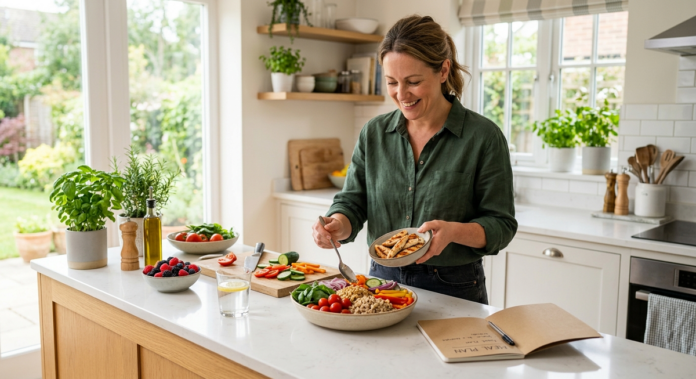
Weight loss advice changes almost as fast as social media trends.
One week, everyone is talking about high-protein meals. The next, intermittent fasting is back in the spotlight. Then come low-carb plans, carnivore diets, “detox” drinks, GLP-1 medications, and apps that promise to build the perfect diet for you.
But which weight loss diet trends are actually helpful?
And which ones are mostly hype?
The good news is that you do not need to follow every new diet trend to lose weight. The strongest approach is still built around healthy food, regular movement, enough sleep, stress management, and habits you can keep for the long term. The CDC notes that gradual weight loss is more likely to stay off than very fast weight loss.
In this guide, we will look at some of the biggest diet trends for weight loss in 2026, what the evidence says, and how you can use the helpful parts without falling for extreme claims.
Quick takeaway: The best weight loss diet is usually not the most extreme one. It is the one that helps you eat nutritious food, manage portions, stay active, and remain consistent.
What Makes a Weight Loss Diet Actually Work?
Before looking at individual trends, it helps to understand one simple idea.
Weight loss happens when your body uses more energy than it gets from food and drinks over time. But that does not mean you need to live on tiny meals or count every calorie.
A healthy eating pattern can make this easier by helping you feel full while providing the nutrients your body needs.
According to the National Institute of Diabetes and Digestive and Kidney Diseases (NIDDK), a healthy weight-loss eating plan can include:
- Vegetables
- Whole fruits
- Whole grains
- Lean protein
- Beans and lentils
- Nuts and seeds
- Healthy fats
- Low-fat or reduced-fat dairy foods
Regular physical activity also plays an important role in weight management.
A useful diet should also fit your life.
If a plan is so strict that you cannot follow it after two weeks, it may not be a good long-term strategy.
1. High-Protein Diets: Helpful, But Don’t Overdo It
High-protein eating is one of the biggest weight loss diet trends right now.
There is a good reason for the popularity.
Protein can help you feel satisfied after eating. It also helps maintain muscle, which is especially important during weight loss.
Common high-protein foods include:
- Eggs
- Chicken
- Fish
- Greek yogurt
- Cottage cheese
- Beans
- Lentils
- Tofu
- Lean beef
- Nuts and seeds
Why high protein can help
When you eat less food during weight loss, you want the food you do eat to provide plenty of nutrients.
Protein can be especially useful because it supports muscle tissue. Current obesity treatment guidance also highlights adequate protein and muscle-strengthening exercise as important for people losing weight, including those using weight-loss medications.
However, more protein is not always better.
A diet made mostly of processed meats, protein bars, shakes, and other highly processed foods is not automatically healthy.
The helpful approach
Instead of asking, “How can I eat as much protein as possible?” ask:
“How can I include a good source of protein in most meals?”
For example:
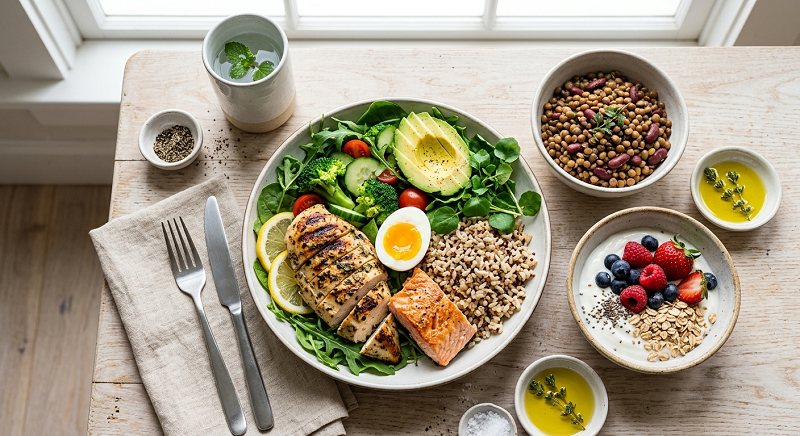
Breakfast: Eggs + vegetables + whole-grain toast
Lunch: Grilled chicken + brown rice + vegetables
Snack: Greek yogurt + berries
Dinner: Fish + beans + vegetables
That is much more useful than simply chasing a high protein number.
Verdict: Helpful.
2. High-Fiber Diets Are Having a Moment
Fiber may not sound as exciting as a new diet challenge, but it is one of the most useful weight loss trends.
High-fiber foods can help you feel full with fewer calories. For more practical ideas, check out our guide to Healthy Foods That Keep You Full Longer for simple foods that can help curb hunger and support your weight-loss goals. The American Heart Association recommends foods such as fruits, vegetables, beans, whole grains, and leafy greens as good sources of fiber.
Fiber also supports digestive health and can help make meals more satisfying.
Easy ways to eat more fiber
Try adding:
- Oatmeal instead of sugary breakfast foods
- Beans to soups and salads
- Berries to yogurt
- Vegetables to sandwiches and wraps
- Brown rice instead of refined grains
- Whole-grain bread
- Apples, pears, and oranges
- Chia or flax seeds
You do not need a special “fiber diet.”
Just build more fiber-rich foods into your normal meals.
Verdict: Very helpful.
3. Intermittent Fasting: Useful for Some, Not Magic
Intermittent fasting for weight loss remains popular.
The idea is simple: You eat during certain hours and avoid food during the fasting period.
Popular approaches include:
- 12-hour overnight fasting
- 14:10 fasting
- 16:8 fasting
- Alternate-day fasting
Some people like intermittent fasting because it gives them clear eating times. It can also reduce mindless snacking.
But fasting is not magic.
Research reviewed by Harvard’s T.H. Chan School of Public Health suggests intermittent fasting can support weight loss, but it has not consistently been shown to be better than standard calorie restriction.
In other words, if fasting helps you eat less and choose healthier foods, it may work well for you.
If it causes you to become extremely hungry and overeat later, it may not be the right method.
Who should be careful?
People with certain health conditions, those taking medications that affect blood sugar, pregnant or breastfeeding women, and people with a history of eating disorders should speak with a health professional before trying fasting.
Verdict: Helpful for some, but not superior for everyone.
4. GLP-1 Weight Loss Treatments: More Than a Diet Trend
One of the biggest changes in the weight loss world is the rise of GLP-1 and other incretin-based medications.
These treatments have changed how many people think about obesity and weight management.
Medications such as semaglutide and tirzepatide can reduce appetite and help with weight loss in appropriate patients. Current clinical guidance recognizes obesity medications as a treatment option alongside lifestyle changes for people who meet medical criteria.
Recent research also supports meaningful weight reduction from GLP-1 and incretin-based therapies when they are used as part of broader lifestyle care.
But calling GLP-1 medication a simple “diet trend” misses an important point.
These are medical treatments, not ordinary diet plans.
They should be used under appropriate medical guidance.
Nutrition still matters
A smaller appetite does not mean your body needs fewer nutrients.
People using appetite-suppressing weight-loss medications may eat less overall. This makes nutrient-dense food especially important. Current guidance emphasizes adequate protein, vitamins, minerals, fluids, and muscle-strengthening activity during weight loss.
That means meals should still focus on foods such as:
- Lean protein
- Vegetables
- Fruits
- Whole grains
- Beans
- Healthy fats
Verdict: A real medical treatment, not just hype—but it requires professional guidance.
5. Low-Carb Diets: Still Useful, But Quality Matters
Low-carb diets have been around for years, and they are not disappearing.
Some people lose weight successfully by reducing foods such as:
- Sugary drinks
- Candy
- Cakes
- Cookies
- White bread
- Refined snacks
That can be a good thing.
The problem begins when “low-carb” becomes an excuse to eat unlimited amounts of bacon, processed meat, butter, or other foods with little nutritional value.
You do not have to eliminate every carbohydrate to lose weight.
Carbohydrate-rich foods can include healthy choices such as:
- Oats
- Beans
- Lentils
- Potatoes
- Sweet potatoes
- Fruit
- Brown rice
- Whole-grain bread
The CDC also notes that eating a variety of healthy foods is generally better than eliminating an entire food group, such as carbohydrates.
Verdict: Can be helpful when focused on reducing refined foods, but extreme versions are not necessary.
6. The Carnivore Diet: Hype vs. Reality
The carnivore diet has gained attention online because it takes low-carb eating to an extreme.
It focuses almost entirely on animal foods and removes fruits, vegetables, grains, beans, and many other plant foods.
Some people report short-term weight loss on this type of diet.
But short-term weight loss does not automatically mean a diet is healthy or sustainable.
Removing large groups of foods can make it harder to get enough fiber and a wide range of nutrients.
For most people, a balanced eating pattern that includes vegetables, fruits, whole grains, and other plant foods is a more practical choice. NIDDK guidance supports a varied eating pattern that includes these foods.
Verdict: More hype than helpful for most people.
7. “Detox” Diets and Juice Cleanses: Mostly Hype
Detox diets are another trend that comes back again and again.
You may see plans promising to:
- “Flush out toxins”
- Melt fat quickly
- Reset your metabolism
- Clean your organs
- Lose several pounds in a few days
These claims deserve caution.
Your body already has systems that process and remove waste, including your liver and kidneys.
Drinking juice for several days may cause the scale to drop, but some of that change can come from reduced food intake and water loss rather than meaningful long-term fat loss.
A better “reset” is much less exciting:
- Drink more water
- Eat more vegetables
- Reduce sugary drinks
- Eat regular balanced meals
- Sleep enough
- Move your body
- Limit highly processed foods
These habits may not promise dramatic results overnight, but they are much easier to maintain.
Verdict: Mostly hype.
8. Personalized Nutrition and AI Diet Plans
Another growing trend is personalized nutrition.
Apps and online tools can now create meal plans based on your food preferences, goals, activity level, and schedule.
This can be useful.
A personalized plan may be easier to follow than a generic diet because it fits your lifestyle.
But technology does not automatically make nutrition advice accurate.
An app cannot always understand your full health history, medications, allergies, medical conditions, or nutritional needs.
Use technology as a planning tool, not as a replacement for qualified medical advice.
A smart use of personalized nutrition
Instead of asking an app to give you the “perfect diet,” use it to:
- Plan simple meals
- Create grocery lists
- Track habits
- Find healthier recipes
- Monitor activity
- Build consistency
Personalization should make healthy eating easier—not make it more complicated.
Verdict: Helpful when used wisely.
9. Whole-Food Diets Are Still the Quiet Winner
Here is the trend that may never go viral because it is not flashy:
Eat more whole and minimally processed foods.
This does not mean every meal must be perfect.
It means building most meals around nutritious foods.
Think of a simple plate:
- ½ plate: vegetables and fruit
- ¼ plate: protein
- ¼ plate: whole grains or another nutritious carbohydrate
- Add a small amount of healthy fat
You can adjust portions based on your needs.
This type of eating pattern also gives you flexibility.
You can still enjoy pizza, dessert, noodles, or your favorite family meal sometimes.
The goal is not perfection.
The goal is what you do most of the time.
10. Strength Training Is Becoming Part of the Weight Loss Conversation
For years, weight loss advice focused heavily on cardio.
Now, strength training is getting more attention.
And that is a good thing.
During weight loss, you want to reduce excess body fat while protecting as much muscle as possible.

Resistance exercises can include:
- Squats
- Lunges
- Push-ups
- Rows
- Resistance-band exercises
- Weight lifting
- Bodyweight exercises
NIDDK recommends muscle-strengthening activities on at least two days each week for adults, along with regular aerobic activity.
The CDC similarly recommends at least 150 minutes of moderate aerobic activity each week plus muscle-strengthening activity on two or more days.
You do not need an expensive gym membership.
Walking and simple strength exercises at home can be a strong starting point.
Verdict: Very helpful.
How to Tell If a New Diet Trend Is Hype
Before starting the next popular diet, ask these questions.
1. Does it promise extremely fast weight loss?
Be careful.
The CDC says gradual weight loss of about 1 to 2 pounds per week is more likely to stay off than very rapid weight loss.
2. Does it eliminate many foods?
That can make the diet hard to follow and may reduce dietary variety.
3. Does it promise to “detox” your body?
Treat this as a major warning sign.
4. Does it require expensive powders or special foods?
You probably do not need them.
5. Does it claim everyone should follow the same plan?
Your age, health, medications, activity, food preferences, and lifestyle all matter.
6. Is there good evidence behind it?
Look beyond influencers.
Check trusted sources such as:
- National Institute of Diabetes and Digestive and Kidney Diseases
- Centers for Disease Control and Prevention – Healthy Weight
- American Heart Association – Healthy Eating
- Harvard T.H. Chan School of Public Health – The Nutrition Source
The Best Weight Loss Diet May Be a Combination
You do not have to choose one trend.
In fact, combining useful habits may be much more effective.
For example:
High protein → helps meals feel satisfying and supports muscle.
High fiber → helps fullness and improves diet quality.
Whole foods → provide important nutrients.
Portion awareness → helps control energy intake.
Strength training → helps protect muscle.
Walking or cardio → supports fitness and energy use.
Good sleep → supports healthy habits.
Stress management → can make healthy choices easier.
This is far more practical than jumping from one extreme diet to another.
NIDDK notes that healthy eating and physical activity work together for weight management, while the CDC also highlights sleep and stress management as parts of a healthy lifestyle.

A Simple Weight Loss Plan You Can Start Today
Forget about finding the perfect diet.
Start with five simple steps.
Step 1: Build better meals
Include protein, vegetables or fruit, and a high-fiber carbohydrate at most meals.
Step 2: Reduce liquid calories
Choose water more often instead of sugary soda, sweetened coffee, and other high-calorie drinks.
Step 3: Walk every day
Even short walks count.
You can slowly increase your activity over time.
Step 4: Strength train twice a week
Start with simple bodyweight exercises if you are new to resistance training.
Step 5: Make one change at a time
Do not try to completely rebuild your lifestyle overnight.
Small changes are easier to repeat.
And repeated habits are what create results.
Weight Loss Trends: What’s Hype and What’s Helpful?
Here is the quick summary:
| Weight Loss Trend | Our Take |
|---|---|
| High-protein eating | Helpful |
| High-fiber foods | Very helpful |
| Intermittent fasting | Helpful for some |
| GLP-1 medications | Evidence-based medical treatment |
| Low-carb eating | Can be helpful |
| Carnivore diet | Mostly hype for most people |
| Detox and juice cleanses | Mostly hype |
| Personalized nutrition | Helpful when used wisely |
| Whole-food eating | Very helpful |
| Strength training | Very helpful |
| Extreme calorie restriction | Not a good long-term strategy |
Final Thoughts: Choose Habits, Not Hype
The latest weight loss diet trends can be exciting, but you do not need to chase every new idea.
Some trends have real value. High-protein meals, high-fiber foods, strength training, whole-food eating, and personalized support can all have a place in a healthy weight-loss plan.
Other trends promise much more than they can deliver.
The most important question is not:
“What is the hottest diet right now?”
Ask:
“What healthy habits can I follow six months from now?”
That question can lead you toward a plan that is realistic, flexible, and easier to maintain.
If you are considering a major diet change or weight-loss medication, especially if you have a medical condition or take prescription medicines, talk with your doctor or a qualified dietitian first.
And remember: you do not have to be perfect to make progress.
Start with one healthy meal. Take one walk. Add one serving of vegetables. Drink one more glass of water. Then repeat it tomorrow.
What weight loss trend have you tried—or are you thinking about trying? Share your experience in the comments. Your story may help someone else make a healthier choice.