

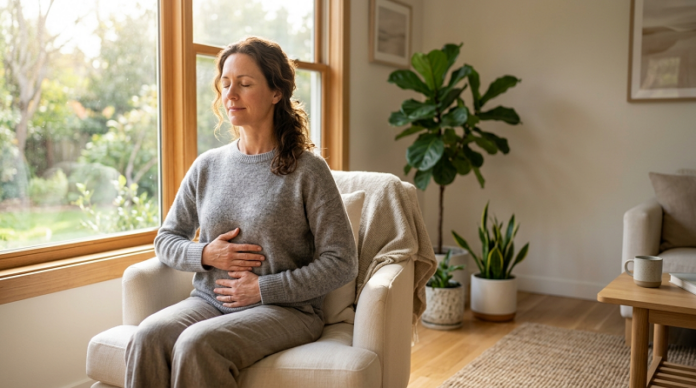
Stress is a normal part of life. Work, money, family, health, relationships, and daily responsibilities can all create pressure. A little stress can help you stay alert and get things done. But too much stress, especially when it lasts for a long time, can affect your mood, sleep, energy, and overall health.
The good news is that you do not need a complicated plan to start feeling better. Small, healthy habits can help your body and mind handle stress in a better way.
If you are wondering how to relieve stress naturally, start with simple actions you can repeat every day. A short walk, a few slow breaths, better sleep, time outdoors, or a talk with someone you trust can all become part of a healthy stress-relief routine.
The key is not to remove every source of stress. That is not always possible. Instead, the goal is to build habits that help you respond to stress in a healthier way.
What Is Stress?
Stress is your body’s physical and emotional response to a challenge or demand. It can happen when you face problems at work, school, home, or in your relationships.
You may notice stress through changes in your thoughts, feelings, or body. Common signs include:
- Feeling worried or overwhelmed
- Trouble concentrating
- Headaches or muscle tension
- Feeling tired or low on energy
- Changes in appetite
- Trouble falling or staying asleep
- Feeling angry, frustrated, or restless
- Losing interest in things you normally enjoy
Occasional stress is common. However, long-term stress can affect both physical and mental health. The Centers for Disease Control and Prevention explains that chronic stress can contribute to worsening health problems and may affect sleep, mood, concentration, and the body.
That is why learning simple ways to manage stress is an important part of everyday wellness.
How to Relieve Stress Naturally
Natural stress relief does not mean you need special products or expensive treatments. In many cases, it starts with basic habits that support your body and mind.
Here are some of the best ways to relieve stress naturally.
1. Practice Deep Breathing
One of the easiest ways to calm down is to slow your breathing.
When you feel stressed, your body may become tense and your breathing may become faster. Slow breathing can give you a moment to pause and focus.
Try this simple breathing exercise:
- Sit in a comfortable position.
- Breathe in slowly through your nose.
- Let your belly rise as you breathe in.
- Breathe out slowly.
- Repeat for a few minutes.
You do not need a long meditation session. Even a few minutes can give you time to step away from stressful thoughts.
The American Psychological Association recommends slow breathing as one simple technique for managing stress.
Try the 5-Minute Breathing Break
Set a timer for five minutes. Put your phone aside and focus only on your breathing.
If your mind wanders, that is okay. Gently bring your attention back to your breath.
This small habit can be useful during a busy workday, before bed, or whenever you feel overwhelmed.
2. Move Your Body Every Day
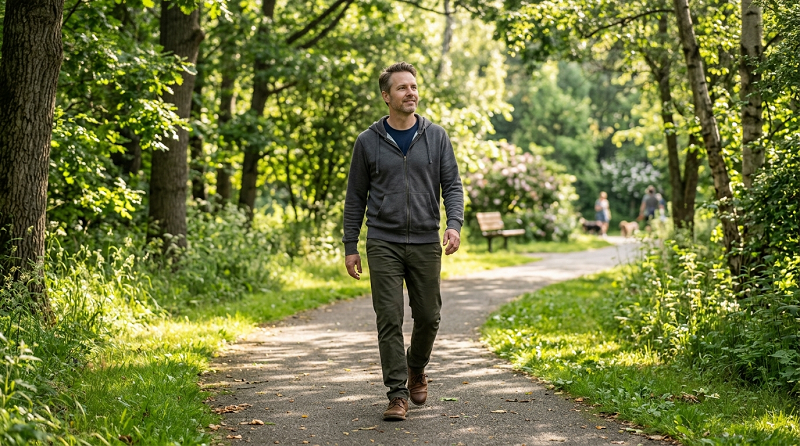
Exercise is one of the most useful natural ways to manage stress.
You do not have to spend hours at the gym. Walking, dancing, stretching, cycling, swimming, gardening, or doing a home workout can all help you become more active.
The CDC notes that physical activity can improve how you feel, help you sleep better, and reduce short-term feelings of anxiety in adults.
Try starting with something simple:
- Take a 10-minute walk after lunch.
- Stretch while watching television.
- Dance to a few favorite songs.
- Walk around your neighborhood.
- Take the stairs when possible.
- Do a short home workout.
The goal is consistency, not perfection.
Make Exercise Easier
If exercise feels like another chore, choose activities you actually enjoy.
You are more likely to keep walking, dancing, swimming, or cycling if the activity feels fun instead of forced.
Even small amounts of movement can add up throughout the day.
3. Get Better Sleep
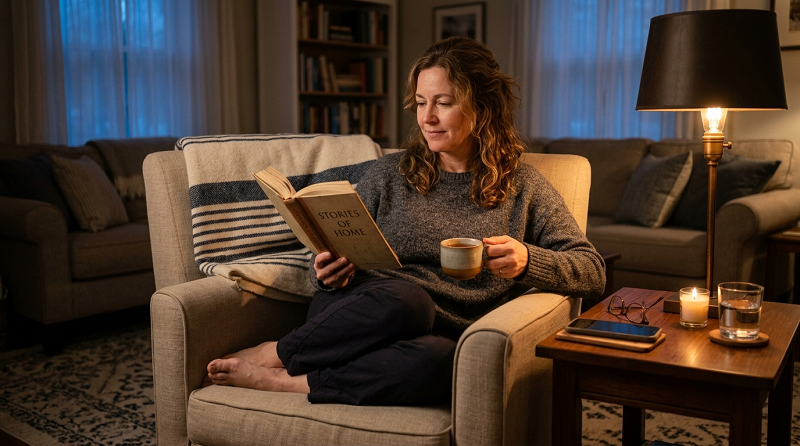
Stress and poor sleep often affect each other.
When you are stressed, it may be harder to relax at night. Then, when you do not sleep well, you may feel more tired and less able to deal with stress the next day.
The CDC recommends healthy sleep habits such as keeping a regular sleep schedule and turning off electronic devices before bedtime.
Adults generally need at least seven hours of sleep each night.
Try these simple sleep habits:
- Go to bed and wake up at similar times each day.
- Create a quiet bedtime routine.
- Keep your bedroom comfortable and relaxing.
- Reduce screen use before bed.
- Avoid caffeine later in the day if it affects your sleep.
- Give yourself time to wind down.
You do not have to change everything at once. Start with one habit and build from there.
4. Spend Time in Nature
Sometimes the best way to reset your mind is to step outside.
A walk in a park, time in your garden, or simply sitting outside for a few minutes can give you a break from screens and daily demands.
The American Psychological Association notes that spending time in nature can help improve mood and support recovery from stress.
You can keep it simple.
Try:
- Walking in a park
- Sitting under a tree
- Gardening
- Watching the sunset
- Eating a meal outdoors
- Taking a short nature walk
You do not need to plan a long trip. A few quiet minutes outside can be a useful part of your daily stress-relief routine.
5. Practice Mindfulness
Mindfulness means paying attention to the present moment instead of getting caught up in worries about the past or future.
It does not mean you have to clear your mind completely. Instead, you notice what you are thinking and feeling without judging yourself.
For example, you can sit quietly and pay attention to:
- Your breathing
- Sounds around you
- How your body feels
- What you can see
- What you can smell
If your thoughts wander, gently return your attention to the present.
The CDC recommends mindfulness as one healthy way to support emotional well-being and manage stress.
If you need a quick way to calm your mind during a busy day, try these 5-Minute Stress Relief: Quick Ways to Reset Your Mind techniques that can help you create a simple daily stress-relief routine.
Start With Five Minutes
You do not need 30 minutes of meditation to begin.
Set aside five minutes each morning or evening. Sit comfortably, breathe slowly, and focus on the present.
With practice, mindfulness can become a simple daily habit.
6. Eat Regular, Healthy Meals
When life becomes stressful, healthy eating can be easy to forget.
You may skip meals, eat too quickly, or reach for foods that are convenient. While one unhealthy meal is not a problem, a regular pattern of poor eating can make it harder to feel your best.
The National Institute of Mental Health recommends eating healthy, regular meals as part of healthy stress and anxiety management.
Build meals around simple foods such as:
- Fruits and vegetables
- Whole grains
- Beans and legumes
- Eggs
- Fish or lean protein
- Nuts and seeds
- Healthy sources of fat
- Plenty of water
You do not need a perfect diet. Focus on regular meals and a balanced mix of foods.
7. Watch Your Caffeine Intake
Coffee can be part of a healthy routine for many people. But too much caffeine may make some people feel more restless, tense, or unable to sleep.
If you notice that coffee, energy drinks, or other caffeinated drinks make you feel more anxious or affect your sleep, consider cutting back.
The National Institute of Mental Health recommends paying attention to caffeine intake when managing stress and anxiety.
You do not have to stop suddenly. Try reducing your intake slowly and see how your body responds.
8. Take Breaks From Your Phone and Social Media
Your phone can be useful, but constant notifications and endless scrolling can add to mental overload.
News, work messages, social media, and other online content can make it difficult for your brain to switch off.
Try creating small periods when you disconnect.
For example:
- Turn off non-essential notifications.
- Take a screen-free lunch break.
- Avoid checking social media first thing in the morning.
- Put your phone away before bedtime.
- Take a short break from the news when you feel overwhelmed.
The CDC recommends taking breaks from news and social media as part of healthy stress management.
A few minutes away from your screen can help create space for your mind to rest.
9. Stay Connected With People You Trust
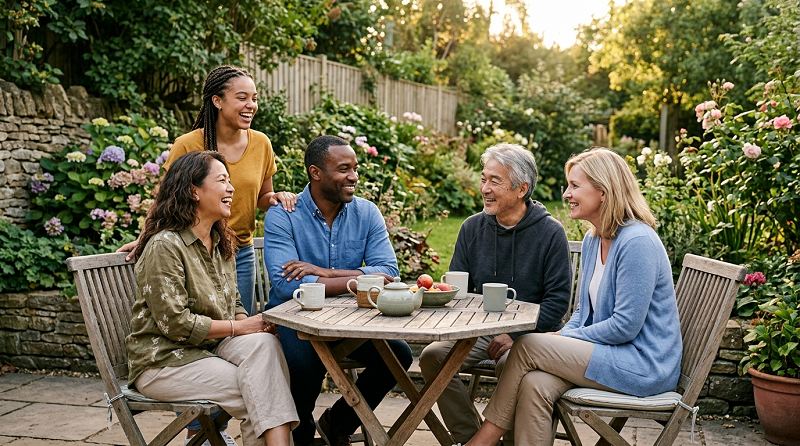
You do not have to deal with stress alone.
Talking with someone you trust can help you feel supported. This could be a friend, family member, partner, coworker, or another person who makes you feel safe and heard.
You do not always need advice.
Sometimes saying, “I’m having a hard day,” is enough to start a helpful conversation.
The APA recommends building social support as part of healthy stress management.
Try making connection a regular habit:
- Call a family member.
- Have coffee with a friend.
- Eat dinner with someone you love.
- Join a community group.
- Spend time with people who make you feel positive.
Strong relationships can make difficult days easier to handle.
10. Make Time for Things You Enjoy
When you are busy, fun activities may be the first things you remove from your schedule.
But relaxing activities are not a waste of time. They can give your mind a break and help you recharge.
Choose activities that bring you simple pleasure:
- Reading
- Listening to music
- Cooking
- Gardening
- Drawing
- Watching a funny movie
- Playing with your pets
- Spending time with family
- Working on a hobby
The APA recommends keeping pleasurable activities in your life, even during stressful periods.
You do not need hours of free time. Even 15 minutes can make a difference.
11. Write Down Your Thoughts
Journaling is another simple way to manage stress.
When many thoughts are running through your head, writing them down can help you see them more clearly.
You could write about:
- What is stressing you
- How you feel
- What you can control
- What you cannot control
- One thing you can do today
- Three things you are thankful for
The National Institute of Mental Health lists keeping a journal as one strategy people can try when they feel overwhelmed.
Do not worry about grammar or perfect writing. This is for you.
12. Learn to Set Healthy Limits
Sometimes stress comes from trying to do too much.
You may say yes to every request because you do not want to disappoint others. But taking on too many responsibilities can leave you tired and overwhelmed.
Learning to say no can be an important form of self-care.
Before accepting another task, ask:
“Do I really have the time and energy for this?”
If the answer is no, it may be okay to decline or ask for more time.
The NIMH recommends setting goals and priorities and learning when to say no if you are taking on too much.
13. Practice Gratitude
Stress can make you focus on everything that is going wrong.
Gratitude does not mean pretending that problems do not exist. Instead, it gives your mind a chance to notice positive things too.
Each evening, write down three things you appreciate.
They can be very simple:
- A good meal
- A kind message
- A peaceful morning
- Time with family
- A good night’s sleep
- A beautiful sunset
The CDC includes daily gratitude as one healthy approach to emotional well-being and stress management.
14. Create a Simple Daily Stress-Relief Routine
The best natural stress-relief habits are the ones you can actually maintain.
You do not need to do every activity listed in this article. Start with two or three habits that fit your lifestyle.
Here is an example of a simple routine:
Morning
- Drink a glass of water.
- Take five slow breaths.
- Spend a few minutes stretching.
- Think about your top priorities for the day.
Afternoon
- Take a short walk.
- Eat a balanced meal.
- Step away from your screen for a few minutes.
- Check in with someone you care about.
Evening
- Reduce screen time.
- Do something enjoyable.
- Write down a few things you are grateful for.
- Follow a relaxing bedtime routine.
This kind of routine does not require expensive equipment or a major lifestyle change.
Small actions, repeated often, can become powerful habits.
What If Natural Stress Relief Is Not Enough?
Natural stress-relief habits can be helpful, but they are not a replacement for professional care when you need it.
If stress continues to feel overwhelming or begins to interfere with your daily life, talk with a qualified health professional.
The NIMH recommends seeking professional help when stress or anxiety does not go away or begins to interfere with everyday activities.
It is especially important to seek help if you have ongoing problems with sleep, concentration, mood, appetite, or normal daily activities.
Asking for help is not a sign of weakness. It is a healthy step toward taking care of yourself.
A Simple 7-Day Natural Stress Relief Challenge
If you want to start today, try this simple seven-day challenge.
Day 1: Take a 10-minute walk.
Day 2: Practice five minutes of slow breathing.
Day 3: Turn off screens 30 minutes before bed.
Day 4: Spend 15 minutes outside.
Day 5: Write down three things you are grateful for.
Day 6: Call or message someone you trust.
Day 7: Spend 20 minutes doing something you enjoy.
At the end of the week, ask yourself:
- Which habit helped me most?
- Which habit was easiest to maintain?
- What made me feel calmer?
- Which habit do I want to continue?
You may discover that one or two small changes have a bigger impact than you expected.
Final Thoughts: Stress Relief Starts With Small Steps
Learning how to relieve stress naturally does not require a perfect lifestyle.
You do not need to meditate for an hour, exercise every day, or completely change your routine. Start small. Take a walk. Breathe slowly. Get enough sleep. Eat regular meals. Spend time outdoors. Talk to someone you trust. Make room for activities that bring you joy.
The goal is not to create a life with zero stress. The goal is to build healthy habits that help you handle stressful moments with more strength and balance.
According to the CDC, managing stress on a daily basis can help prevent long-term stress from becoming a bigger health concern.
So choose one habit today.
Maybe take a five-minute breathing break. Maybe go for a short walk. Maybe put your phone away tonight and give yourself time to rest.
Your mind and body deserve that care.
What natural stress-relief habit works best for you? Share your favorite tip in the comments and encourage someone else to try it too.