


A healthy life does not require a perfect schedule. You do not need to spend hours at the gym, follow a strict diet, or change everything at once.
Small habits can make a big difference when you repeat them each day.
Your daily wellness routine can be as simple as drinking water after waking, eating a balanced breakfast, moving your body, taking short breaks, and getting enough sleep at night. These simple actions can support your physical health, mental well-being, energy, and long-term health.
The key is to create a routine that fits your life.
In this guide, you will learn how to build a complete daily wellness routine from morning to night. You will also discover simple wellness habits that you can start today.
Why a Daily Wellness Routine Matters
Your daily choices can affect how you feel throughout the day.
When you eat well, stay active, manage stress, and sleep enough, you give your body the support it needs to work well. Physical activity, for example, can help improve sleep, reduce anxiety, and support heart health.
A good wellness routine can help you:
- Start the day with more energy
- Make healthier food choices
- Stay physically active
- Manage daily stress
- Improve focus and mood
- Get better sleep
- Support a healthy weight
- Build healthy habits that last
Your routine does not have to look like someone else’s.
The best routine is one that is realistic enough to follow most days.
Morning Wellness Routine: Start Your Day Right
The first part of your day can set the tone for everything that follows.
Instead of reaching for your phone as soon as you wake up, try giving yourself a few quiet minutes. Use this time to wake your body, drink some water, move, and prepare your mind for the day.
1. Wake Up at a Consistent Time
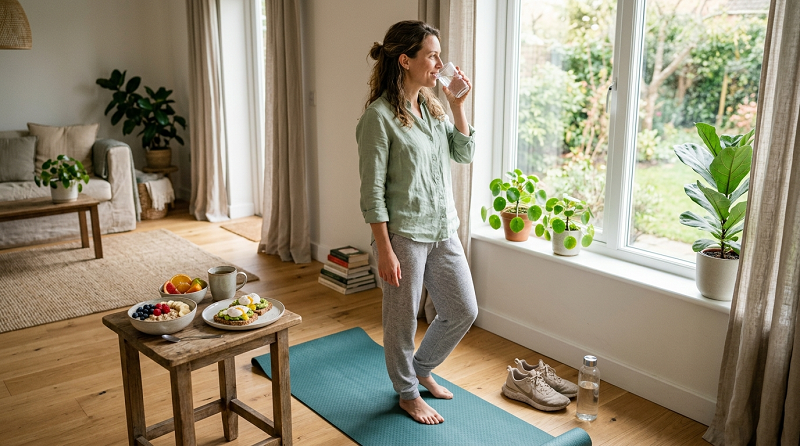
Try to wake up at about the same time each morning.
A regular sleep and wake schedule can help support your body’s natural sleep rhythm. The same idea applies at night: going to bed around the same time can make it easier to maintain healthy sleep habits.
You do not need to wake up extremely early to be healthy.
Choose a wake-up time that gives you enough time to get ready without rushing.
2. Drink Water
Start your morning with a glass of water.
Your body loses water during sleep, so drinking water in the morning is a simple way to begin your daily hydration routine.
Keep a glass or bottle of water near your bed if that makes the habit easier.
You can also carry a reusable water bottle during the day.
3. Get Some Natural Light
Open the curtains or step outside for a few minutes.
Morning light can help you feel more awake and can support your body’s sleep-wake rhythm.
You can combine this habit with a short walk, stretching, or simply sitting outside with your morning drink.
4. Move Your Body
Morning exercise does not have to be intense.
Try:
- A 10-minute walk
- Gentle stretching
- Yoga
- Bodyweight exercises
- Light cycling
- Dancing to a few favorite songs
The World Health Organization recommends that adults get at least 150 minutes of moderate physical activity each week, or 75 minutes of vigorous activity. Adults should also include muscle-strengthening activities on at least two days each week.
If you are not active now, start small.
Even a short walk is a useful first step.
5. Eat a Balanced Breakfast
A healthy breakfast can help you start your day with useful nutrients.
Instead of building breakfast around highly processed foods, choose a mix of protein, fiber-rich carbohydrates, fruits or vegetables, and healthy fats.
Good choices include:
- Eggs with vegetables and whole-grain toast
- Oatmeal with fruit and nuts
- Plain yogurt with berries and seeds
- Whole-grain toast with avocado and eggs
- A fruit and vegetable smoothie with a protein source
You do not need a complicated recipe.
Simple food choices can be healthy choices.
Mid-Morning Wellness: Protect Your Energy
Once your work or daily activities begin, it is easy to spend hours sitting in one place.
Your mid-morning routine should help you stay active and focused.
6. Take Movement Breaks
If you work at a desk, stand up regularly.
Walk around the room. Stretch your legs. Fill your water bottle. Take the stairs when practical.
These small actions add movement to your day.
WHO notes that physical activity can include more than formal exercise. Walking, transportation, household chores, work, and other daily activities can all count as physical activity.
7. Practice Good Posture
Pay attention to how you sit and stand.
Keep your shoulders relaxed. Avoid staying in one position for too long.
A simple rule is to change your position often.
Your body was designed to move.
8. Manage Stress Before It Builds
Stress is part of life, but you can build small habits to manage it.
Try a quick reset when you feel overwhelmed:
- Stop what you are doing.
- Take several slow breaths.
- Relax your shoulders.
- Drink some water.
- Take a short walk.
- Return to your task with a clearer mind.
You do not always need a 30-minute meditation session.
Even a few quiet minutes can give you space to reset.
Healthy Lunch: Fuel Your Afternoon
Lunch is another chance to give your body quality nutrition.
A balanced lunch can include vegetables, protein, whole grains, and healthy fats.
9. Build a Balanced Plate
A simple approach is to fill much of your plate with vegetables and add a source of protein and a fiber-rich carbohydrate.
For example:
- Grilled chicken with brown rice and vegetables
- Fish with sweet potato and salad
- Beans with vegetables and whole grains
- Lean meat with roasted vegetables
- A large salad with eggs, beans, chicken, or fish
Healthy eating does not mean avoiding every food you enjoy.
The goal is to make nutritious foods a regular part of your meals.
The CDC recommends emphasizing vegetables, fruits, protein foods, dairy or alternatives, healthy fats, and whole grains while limiting highly processed foods, excess sodium, saturated fat, and added sugars.
10. Eat Slowly and Pay Attention
Try not to eat every meal while staring at your phone or rushing through work.
Slow down.
Notice the taste and texture of your food. Give yourself time to recognize when you are becoming full.
Mindful eating can also help you become more aware of your eating habits.
Afternoon Wellness Routine: Stay Active and Focused
The afternoon is often when energy begins to drop.
Instead of immediately reaching for sugary snacks or another large cup of coffee, try a few simple habits first.
11. Take a Short Walk

A short afternoon walk can help break up long periods of sitting.
Walk around your home, office, or neighborhood.
If you have more time, take a 15- to 30-minute walk.
You do not need to complete all your weekly exercise in one session. Breaking movement into smaller periods can make staying active more realistic.
12. Choose Smart Snacks
If you are hungry between meals, choose a snack that provides useful nutrients.
Try:
- An apple with peanut butter
- Greek yogurt with berries
- A handful of nuts
- Carrots with hummus
- A banana
- Fresh fruit
- Whole-grain crackers with a protein-rich topping
Keep healthy snacks where you can see them.
This makes good choices easier when hunger hits.
13. Protect Your Mental Energy
Your mind also needs breaks.
Try stepping away from your screen for a few minutes.
You could:
- Stretch
- Take a few deep breaths
- Talk with someone
- Step outside
- Listen to calming music
- Write down your thoughts
- Spend a few minutes doing something you enjoy
Wellness is not only about physical health.
Your mental and emotional well-being matter too.
Evening Wellness Routine: Slow Down
Evening is your chance to shift from productivity to recovery.
A healthy evening routine can help you relax and prepare for sleep.
14. Eat a Nourishing Dinner
Dinner does not need to be heavy.
Choose a balanced meal that includes vegetables, protein, and a suitable portion of whole grains or other carbohydrate foods.
Try to make most of your meals based on foods that nourish your body.
You can still enjoy favorite foods.
Healthy eating is about your overall pattern, not one meal.
15. Take an After-Dinner Walk
A gentle walk after dinner can be an easy way to add more movement to your day.
It can also become a relaxing transition between daytime activities and your evening routine.
Invite your partner, family member, or friend to join you.
Making healthy habits social can make them more enjoyable.
Nighttime Wellness Routine: Prepare for Better Sleep
Sleep is one of the most important parts of a complete wellness routine.
Adults generally need 7 to 9 hours of sleep each night.
Sleep supports physical health, brain function, mood, attention, and daily performance.
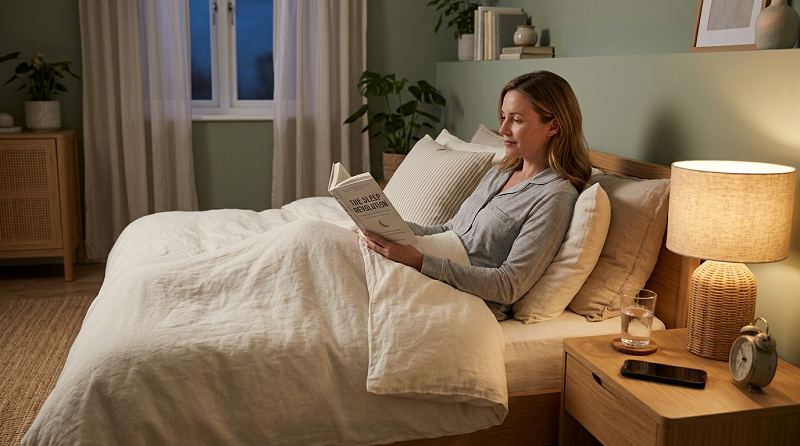
16. Create a Relaxing Wind-Down Routine
Give yourself time to slow down before bed.
You might:
- Take a warm shower
- Read a book
- Stretch gently
- Listen to calm music
- Practice slow breathing
- Write in a journal
- Prepare your clothes for tomorrow
Try to keep your bedroom quiet, comfortable, and relaxing.
17. Reduce Screen Time Before Bed
Phones, tablets, computers, and television can keep your mind active late at night.
The CDC recommends turning off electronic devices at least 30 minutes before bedtime.
You do not have to give up technology completely.
Instead, create a simple cutoff time.
For example, if you want to sleep at 10:30 p.m., begin your screen-free routine around 10 p.m.
18. Keep a Consistent Bedtime
Try to go to bed at about the same time each night.
This can help your body know when it is time to sleep.
The National Heart, Lung, and Blood Institute’s sleep guidance also recommends keeping a consistent sleep schedule and using the hour before bed for quiet time.
Your Simple Daily Wellness Routine Checklist
You do not need to remember everything at once.
Use this simple checklist as a starting point:
Morning
- Wake up at a consistent time
- Drink water
- Get natural light
- Stretch or move
- Eat a balanced breakfast
Daytime
- Take movement breaks
- Drink water
- Eat balanced meals
- Choose nutritious snacks
- Manage stress
- Spend time with people you care about
Evening
- Eat a nourishing dinner
- Take a short walk
- Reduce unnecessary screen time
- Relax your mind
- Prepare for tomorrow
Night
- Follow a calming bedtime routine
- Keep your bedroom comfortable
- Go to bed at a regular time
- Aim for 7 to 9 hours of sleep
How to Make Your Wellness Routine Stick
Knowing what to do is one thing.
Doing it every day is another.
The best way to build a lasting routine is to start small.
Want more simple habits you can use every day? Check out our guide to 12 simple habits that can improve your life for practical ways to make healthy living part of your everyday routine.
Start With One Habit
Do not try to change your entire lifestyle overnight.
Pick one habit.
For example:
Week 1: Drink water every morning.
Week 2: Add a 10-minute walk.
Week 3: Add vegetables to lunch and dinner.
Week 4: Create a regular bedtime.
Small steps can become strong habits over time.
Connect New Habits to Existing Habits
This is a simple way to remember new habits.
For example:
- After brushing your teeth, drink water.
- After lunch, take a short walk.
- After dinner, prepare tomorrow’s clothes.
- After turning off your phone, read for 10 minutes.
The more natural the habit feels, the easier it may be to repeat.
Do Not Aim for Perfect
You will have busy days.
You may miss a workout. You may eat fast food. You may stay up late.
That does not mean your routine has failed.
Simply return to your healthy habits at the next opportunity.
Consistency matters more than perfection.
A Sample Daily Wellness Schedule
Here is one example of how you could organize your day:
6:30 a.m. — Wake up
Drink water, open the curtains, and take a few deep breaths.
6:45 a.m. — Move
Take a short walk or complete a simple stretching routine.
7:15 a.m. — Breakfast
Enjoy a balanced meal with protein, fiber, and fruit or vegetables.
8:00 a.m. — Start work
Focus on your main tasks and take short movement breaks.
10:30 a.m. — Reset
Drink water and take a few minutes to move.
12:30 p.m. — Lunch
Choose a balanced meal and eat slowly.
1:00 p.m. — Short walk
Move for 10 to 15 minutes if your schedule allows.
3:30 p.m. — Healthy snack
Choose fruit, yogurt, nuts, or another nourishing option if hungry.
6:30 p.m. — Dinner
Enjoy a balanced meal with family or friends.
7:00 p.m. — Light activity
Take a gentle walk or spend time doing something enjoyable.
9:30 p.m. — Wind down
Lower the lights, put away work, and reduce screen use.
10:00 p.m. — Relax
Read, stretch, journal, or practice slow breathing.
10:30 p.m. — Sleep
Give yourself enough time to get around 7 to 9 hours of sleep.
Your schedule may look different.
That is perfectly fine.
The goal is not to copy someone else’s routine. The goal is to create a routine that works for you.
Make Wellness Part of Your Lifestyle
A daily wellness routine should make your life better, not make your life harder.
You do not need expensive equipment or complicated wellness products.
You can start with simple actions:
- Drink more water.
- Eat more whole foods.
- Move more often.
- Spend less time sitting.
- Take breaks when you need them.
- Make time for people you love.
- Protect your mental health.
- Get enough sleep.
The CDC notes that even some physical activity is better than none, and inactive adults can begin with small amounts and gradually increase their activity.
This is important because many people believe they need to make huge changes before they can become healthier.
You don’t.
Start where you are.
Build from there.
Conclusion: Your Health Starts With What You Do Every Day
A healthy lifestyle is built one choice at a time.
Your morning can give you energy. Your meals can nourish your body. Movement can keep you active. Short breaks can help manage stress. Your evening routine can help you slow down. And quality sleep can prepare you for another day.
The most effective daily wellness routine is one you can actually maintain.
So do not worry about creating the perfect schedule.
Choose one healthy habit today.
Drink a glass of water when you wake up. Take a 10-minute walk. Add vegetables to your next meal. Turn off your phone before bed. Then repeat it tomorrow.
Over time, these small choices can become a lifestyle.
What part of your daily wellness routine would you like to improve first—morning habits, healthy eating, exercise, stress management, or sleep? Share your goal and start your wellness journey today.