

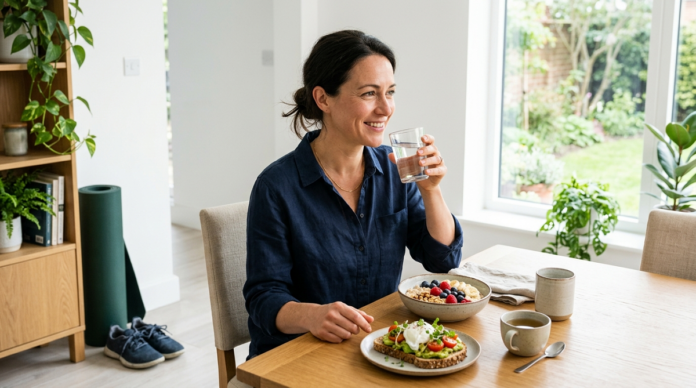
Living a healthier life does not mean changing everything overnight. In fact, trying to make too many changes at once can make healthy living feel hard and stressful.
A better approach is to focus on one healthy choice at a time.
Small daily habits can add up. Choosing water instead of a sugary drink, taking a short walk, eating more vegetables, going to bed on time, or taking a few minutes to relax may seem simple. But when these actions become part of your routine, they can support better health over time.
The good news is that you do not need a perfect lifestyle. You need habits that you can keep doing.
In this guide, you will learn how to live a healthier life one day at a time. We will look at simple ways to eat better, move more, sleep well, manage stress, and care for your overall health.
What Does It Mean to Live a Healthier Life?
Healthy living is more than eating salads or spending hours at the gym.
It means taking care of your body and mind through everyday choices. This can include:
- Eating a variety of nutritious foods
- Drinking enough water
- Moving your body regularly
- Getting enough sleep
- Managing daily stress
- Avoiding tobacco
- Limiting alcohol
- Spending time with people you care about
- Keeping up with health checks
The World Health Organization describes self-care as actions that help people maintain health and well-being. These actions include healthy eating, physical activity, enough sleep, avoiding tobacco, and connecting with others.
The goal is not to become perfect.
The goal is to make better choices more often.
1. Start Your Day With a Healthy Morning Routine
The way you start your morning can shape the rest of your day.
You do not need a long or complicated morning routine. Start with a few simple actions.
Drink Water After Waking Up
Your body loses water while you sleep. Drinking water in the morning is an easy way to begin your day with a healthy habit.
Keep a glass or bottle of water near your bed. This makes it easier to remember.
You can also drink water with your meals throughout the day.
Eat a Nutritious Breakfast
Breakfast is a chance to give your body useful nutrients.
Try simple combinations such as:
- Oatmeal with fruit and nuts
- Eggs with vegetables and whole-grain toast
- Plain yogurt with fruit
- A banana with peanut butter
- Whole-grain cereal with milk and fruit
You do not need an expensive breakfast. Focus on foods that provide protein, fiber, vitamins, and minerals.
Get Some Morning Light
Getting natural light early in the day can also support a healthy sleep routine. A short morning walk can combine sunlight and physical activity.
This is a simple way to start your day with movement.
2. Eat More Healthy Foods Each Day
One of the most important parts of healthy living is your eating pattern.
You do not need to follow a strict diet. Instead, try to make your meals more balanced.
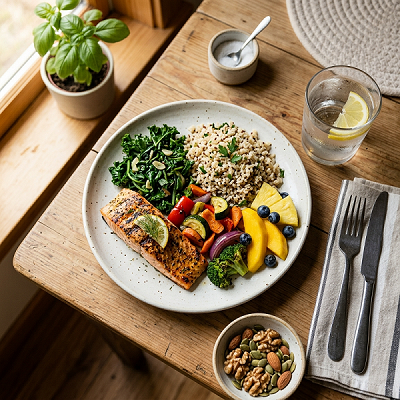
The CDC recommends eating a variety of foods, including vegetables, fruits, protein foods, healthy fats, and whole grains. It also recommends limiting highly processed foods, added sugars, and saturated fat.
Add More Fruits and Vegetables
Fruits and vegetables provide important nutrients and fiber.
Try adding one extra serving to a meal.
For example:
- Add banana to breakfast.
- Put vegetables in your lunch.
- Eat fruit as an afternoon snack.
- Add a side salad to dinner.
- Keep washed fruit where you can easily see it.
Small changes are easier to maintain than extreme diet rules.
Choose More Whole Foods
Whole or minimally processed foods can make a strong foundation for healthy meals.
Good choices include:
- Vegetables
- Fruits
- Beans
- Lentils
- Eggs
- Fish
- Chicken
- Nuts and seeds
- Whole grains
- Plain yogurt
You do not have to remove every processed food from your diet. Instead, focus on adding more nutritious choices.
Watch Added Sugar
Sweet foods and drinks can be easy to consume without noticing how much you are having.
Try replacing some sugary drinks with:
- Water
- Sparkling water
- Unsweetened tea
- Water with lemon or fruit
You can still enjoy treats. The goal is balance, not punishment.
3. Make Water Your Everyday Drink
Staying hydrated is another simple part of a healthy lifestyle.
Water is often the easiest choice because it does not contain added sugar or calories.
Try these habits:
- Carry a reusable water bottle.
- Drink water with meals.
- Keep water at your desk.
- Drink water before reaching for a sugary drink.
- Add lemon, lime, or fruit if you want more flavor.
Your fluid needs can vary based on factors such as activity, climate, and health. If you have a medical condition that affects fluid intake, follow your health professional’s advice.
4. Move Your Body Every Day
You do not need to become a serious athlete to improve your health.
Daily physical activity can be simple.
Walk. Stretch. Dance. Garden. Ride a bike. Clean your home. Play with your children.
All movement can help you become more active.
The CDC notes that regular physical activity can support brain health, sleep, heart health, bone and muscle strength, and healthy weight management.
Want more practical ideas for staying active? Learn how to make exercise a daily habit and turn simple movement into a lasting part of your routine.

Start With Short Walks
Walking is one of the easiest ways to add activity to your day.
Try:
- A 10-minute walk after breakfast
- A short walk during lunch
- Walking while talking on the phone
- Taking the stairs when practical
- Walking after dinner
You can slowly increase your activity as you become more comfortable.
Work Toward 150 Minutes a Week
For most adults, health guidelines recommend at least 150 minutes of moderate-intensity aerobic activity each week, along with muscle-strengthening activities on at least two days.
That may sound like a lot at first.
But 30 minutes on five days is one simple way to reach the goal.
You can also break activity into smaller sessions.
Remember: some movement is better than none.
5. Strengthen Your Body
Cardio is not the only type of exercise that matters.
Strength training helps support your muscles and bones.
You can start at home without expensive equipment.
Try exercises such as:
- Squats
- Wall push-ups
- Lunges
- Glute bridges
- Resistance-band exercises
- Light dumbbell exercises
Start slowly and focus on good form.
If you are new to exercise, have an injury, or have a health condition, talk with a health professional about the right activity for you.
6. Make Sleep a Daily Priority
Sleep is not wasted time.
It is part of taking care of your health.
Most adults need at least seven hours of sleep each night. Regular sleep also supports normal daily function and heart health.

Build a Simple Sleep Routine
Try to:
- Go to bed at about the same time each night.
- Wake up at a regular time.
- Keep your bedroom comfortable and quiet.
- Reduce bright screens before bed.
- Avoid very large meals close to bedtime.
- Get regular physical activity during the day.
You do not need a perfect sleep routine.
Start with one change.
For example, go to bed 15 minutes earlier tonight.
Then keep doing it.
7. Find Healthy Ways to Manage Stress
Stress is part of life.
Work, money, family responsibilities, relationships, and daily problems can all create stress.
You cannot always remove the source of stress. But you can build healthier ways to respond to it.
Try a Five-Minute Reset
When you feel overwhelmed, pause for five minutes.
Try:
- Take slow, deep breaths.
- Put your phone away.
- Stretch your shoulders and neck.
- Step outside.
- Take a short walk.
- Listen to calming music.
- Talk to someone you trust.
Even a short break can give you time to slow down and reset.
Do Not Ignore Your Mental Well-Being
Healthy living includes your mental and emotional health.
Make time for things that bring you peace and enjoyment.
This could be reading, gardening, cooking, music, prayer, hobbies, nature, or talking with family and friends.
8. Spend Time With People You Care About
Health is not only about food and exercise.
Relationships matter too.
Make time for people who support you.
You could:
- Eat dinner with your family.
- Call a friend.
- Take a walk with someone.
- Share a healthy meal.
- Spend time with your children.
- Join a community activity.
Simple social connections can make daily life feel more meaningful.
9. Avoid Smoking and Tobacco
If you smoke, quitting is one of the most valuable steps you can take for your health.
The CDC recommends avoiding smoking, vaping, and other tobacco products.
Quitting can be difficult, so do not feel that you have to do it alone.
Talk with a health professional about support and resources that may help.
If you have tried before and returned to smoking, that does not mean you failed.
Try again.
10. Limit Alcohol
If you drink alcohol, consider how much and how often you drink.
WHO includes avoiding alcohol as part of healthy lifestyle choices, while health advice can vary based on individual circumstances.
If you drink, choosing less can be a healthy step.
You can also have alcohol-free days during the week.
If you have concerns about your alcohol use, talk with a health professional.
11. Take Care of Your Health Before You Feel Sick
Healthy living also means paying attention to your health.
Do not wait until you feel unwell to take care of yourself.
Depending on your age, health history, and risk factors, regular health care may include:
- Routine checkups
- Blood pressure checks
- Recommended screenings
- Dental visits
- Eye exams
- Vaccinations
- Discussing unusual symptoms with a health professional
The CDC recommends keeping up with regular health appointments, testing, screenings, and vaccinations.
Your doctor can help you decide which checks are right for you.
12. Make Healthy Choices Easier
One of the best ways to build healthy habits is to change your environment.
Make good choices easier to make.
For example, keep fruit on the kitchen counter instead of hiding it in a drawer.
Keep walking shoes near the door.
Put your water bottle on your desk.
Prepare healthy snacks before you get hungry.
These small changes reduce the need to rely on willpower.
Prepare Tomorrow Today
Before going to bed, spend a few minutes preparing for the next day.
You could:
- Prepare breakfast.
- Pack lunch.
- Set out exercise clothes.
- Fill your water bottle.
- Write down three important tasks.
- Set a reasonable bedtime.
A little planning can make tomorrow easier.
13. Do Not Try to Change Everything at Once
This may be the most important lesson.
You do not need to completely change your life tomorrow.
Start with one healthy habit.
For example:
Week 1: Drink more water.
Week 2: Add a 10-minute walk.
Week 3: Add one more serving of vegetables.
Week 4: Create a regular bedtime.
Over time, these habits can become part of your normal routine.
Healthy weight management also works best as a long-term lifestyle. The CDC highlights healthy eating, regular physical activity, enough sleep, and stress management as important parts of a healthy lifestyle.
A Simple One-Day Healthy Living Plan
Here is an easy example of what a healthier day could look like.
Morning
- Drink water after waking.
- Eat a balanced breakfast.
- Get some natural light.
- Take a short walk or stretch.
Midday
- Eat a meal with vegetables and protein.
- Drink water.
- Take short movement breaks.
- Avoid sitting for long periods when possible.
Afternoon
- Choose fruit, nuts, yogurt, or another nutritious snack.
- Take a short walk.
- Pause for a few minutes if stress builds.
Evening
- Eat a balanced dinner.
- Spend time with family or friends.
- Take a gentle walk.
- Reduce screen time before bed.
Night
- Prepare for tomorrow.
- Keep a regular bedtime.
- Aim for at least seven hours of sleep.
This is not a strict schedule.
Use it as a starting point and adjust it to your life.
How to Stay Motivated With Healthy Habits
Motivation can come and go.
That is normal.
Instead of waiting to feel motivated, create simple routines.
Set Small Goals
Instead of saying, “I will exercise every day,” try:
“I will walk for 10 minutes after dinner.”
A clear goal is easier to follow.
Track Your Progress
You can use a notebook, calendar, or phone app.
Track simple things such as:
- Water
- Steps
- Exercise
- Sleep
- Fruits and vegetables
- Mood
Tracking can help you see progress that you may otherwise miss.
Celebrate Small Wins
Did you walk today?
Great.
Did you choose water instead of soda?
That counts.
Did you go to bed earlier?
That matters too.
Small wins build confidence.
What If You Have a Bad Day?
You will.
Everyone does.
Maybe you skip your workout. Maybe you eat too much. Maybe you stay up late. Maybe stress gets the best of you.
Do not turn one difficult day into a difficult month.
Start again at the next meal.
Take the next walk.
Drink the next glass of water.
Go to bed at your normal time tonight.
A healthy lifestyle is built from what you do most days, not from one perfect day.
Your Healthier Life Starts Today
Learning how to live a healthier life one day at a time does not require extreme diets, expensive equipment, or a perfect schedule.
It starts with simple choices.
Eat more nutritious foods. Drink water. Move your body. Sleep well. Manage stress. Spend time with people you love. Avoid tobacco. Keep up with your health care.
Most importantly, give yourself time.
Healthy habits become powerful when you repeat them.
The CDC notes that even smaller amounts of physical activity can provide health benefits, and building activity gradually can make it easier to stay consistent.
So do not ask yourself, “How can I completely change my life?”
Ask:
“What is one healthy thing I can do today?”
That question is easier to answer—and easier to act on.
Conclusion: One Day, One Choice, One Healthier You
Living a healthier life is a journey.
You do not have to get everything right. You only need to keep moving in a healthier direction.
Choose one small habit today. Repeat it tomorrow. Add another when you are ready.
Over time, those small choices can become your normal way of living.
What healthy habit will you start today? Share your goal in the comments and inspire someone else to take their first step toward a healthier life.