
Diet trends change fast. One year, a food is everywhere. The next year, a new plan takes its place.
But 2026 may be different.
Many of the new diet trends in 2026 are moving away from strict rules and extreme food plans. Instead, people are looking for ways to eat that support health, energy, weight goals, and long-term habits.
There is also a bigger focus on protein, fiber, whole foods, gut health, and personalized nutrition. At the same time, GLP-1 weight-loss medicines are changing the way some people think about food and nutrition.
The goal is not to follow every trend. It is to understand what is gaining attention and separate useful ideas from marketing hype.
The World Health Organization says a healthy diet should be based on adequacy, balance, moderation, and variety. It also recommends a wide range of minimally processed and unprocessed foods.
So, what should you watch in 2026?
Let’s look at the biggest trends.
1. High-Protein Eating Gets Even Bigger
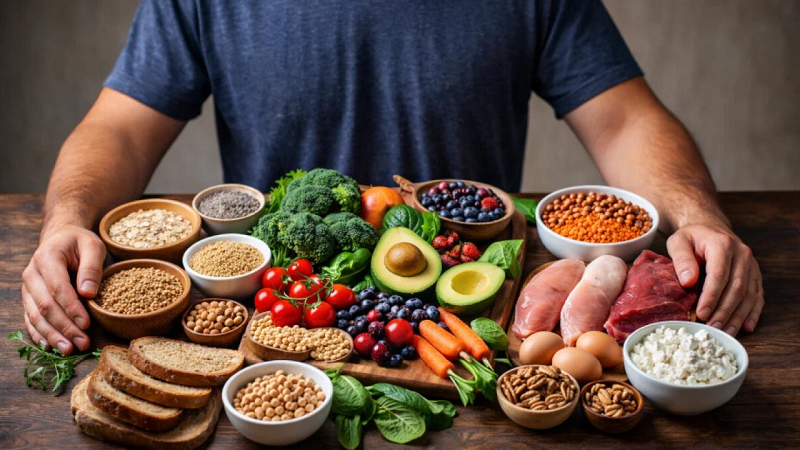
Protein is one of the biggest nutrition trends going into 2026.
High-protein foods are now found in many products, from yogurt and cereals to snacks and drinks. Social media has also helped push the idea of eating more protein throughout the day.
This trend is partly linked to growing interest in muscle health, fitness, weight management, and GLP-1 medicines.
Protein can help you feel full after meals. It also plays an important role in building and maintaining muscle.
However, more protein is not always better.
Your needs depend on factors such as your age, body size, activity level, and health goals. Most people can get protein from normal foods without relying on large amounts of supplements.
Easy High-Protein Foods
Good choices include:
- Eggs
- Fish
- Chicken
- Greek yogurt
- Milk
- Beans
- Lentils
- Tofu
- Nuts and seeds
- Lean meat
The key trend for 2026 is not simply “eat as much protein as possible.”
It is eat enough protein as part of a balanced diet.
2. GLP-1-Friendly Nutrition
GLP-1 medicines have become a major part of the weight-loss conversation.
Medicines such as semaglutide and tirzepatide can reduce appetite and help some people lose weight. This has created a new nutrition focus: how to eat well when appetite is lower.
A GLP-1-friendly approach often focuses on nutrient-dense meals rather than simply eating less.
When food intake drops, food quality becomes even more important.
Meals may focus on:
- Protein
- Vegetables
- Fruits
- Whole grains
- Healthy fats
- Fiber
- Adequate fluids
Muscle health is also getting more attention. Some companies are already creating products aimed at people using GLP-1 medicines, with a focus on protein and other nutrients.
However, there is no single “GLP-1 diet” that works for everyone.
Anyone using a weight-loss medicine should follow advice from their doctor or qualified health professional.
3. Fiber Is Becoming the New Nutrition Star
For years, protein has received most of the attention.
Now fiber is having its moment.
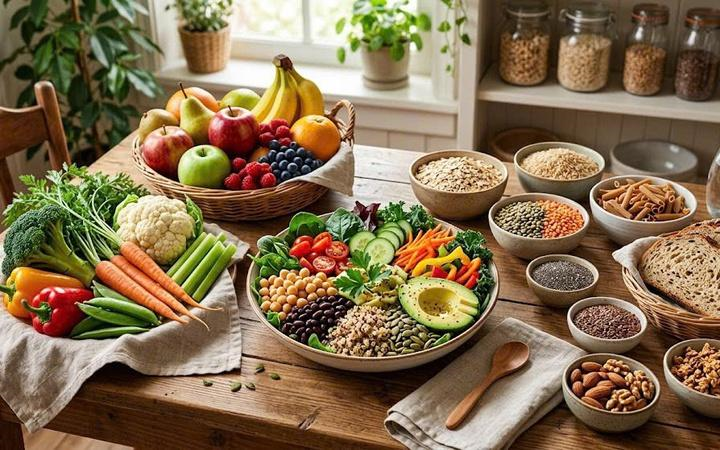
Fiber is found in foods such as vegetables, fruits, beans, lentils, oats, and whole grains. It supports normal digestion and can help you feel full.
Fiber is also important for gut health.
The WHO recommends that adults and children over age 10 aim for at least 25 grams of naturally occurring fiber each day.
The easiest way to increase fiber is not to buy a special product.
Instead, add more plants to your meals.
Try:
- Oatmeal with berries
- Beans in soups or salads
- Lentils with rice
- Apples or pears as snacks
- Vegetables with lunch and dinner
- Whole-grain bread
- Chia or flax seeds
Increase fiber slowly and drink enough water. A sudden large increase can cause stomach discomfort.
If you’re looking for simple ways to add more fiber, protein, fruits, vegetables, and whole grains to your meals, check out our guide to The Best Everyday Foods for Energy, Digestion, and Wellness.
4. The “Less Ultra-Processed Food” Movement
Another major trend in 2026 is a return to simple food.
Rather than following a strict diet, many people are trying to reduce highly processed foods and eat more foods in their natural or less processed form.
This does not mean every packaged food is bad.
Frozen vegetables, canned beans, plain yogurt, and other convenient foods can still be part of a healthy diet.
The bigger idea is to make whole and minimally processed foods the foundation of your meals.
The current U.S. Dietary Guidelines for 2025–2030 put a strong focus on whole, nutrient-dense foods, including protein, vegetables, fruits, healthy fats, dairy, and whole grains. They also recommend reducing highly processed foods.
Research is also adding interest to this trend. A recent randomized trial found that people eating a minimally processed diet lost more weight over eight weeks than when eating an ultra-processed diet, even though both diets followed healthy dietary guidelines.
That does not mean all processed foods must be avoided.
Instead, focus on the overall quality of your diet.
5. Personalized Nutrition and AI Meal Planning
One diet does not fit everyone.
That idea is becoming more popular in 2026.
Personalized nutrition uses information such as food preferences, lifestyle, activity, goals, and sometimes health data to create a more personal eating plan.
Artificial intelligence is also entering the nutrition space.
AI tools can help people plan recipes, create shopping lists, estimate nutrients, and find meals based on dietary preferences.
This can make healthy eating easier.
But there is an important warning.
AI is a tool, not a doctor or dietitian.
Nutrition advice from an app may not account for allergies, medical conditions, medicines, or other personal needs.
Use technology to make healthy choices easier, but check important health advice with a qualified professional.
6. Plant-Forward Eating
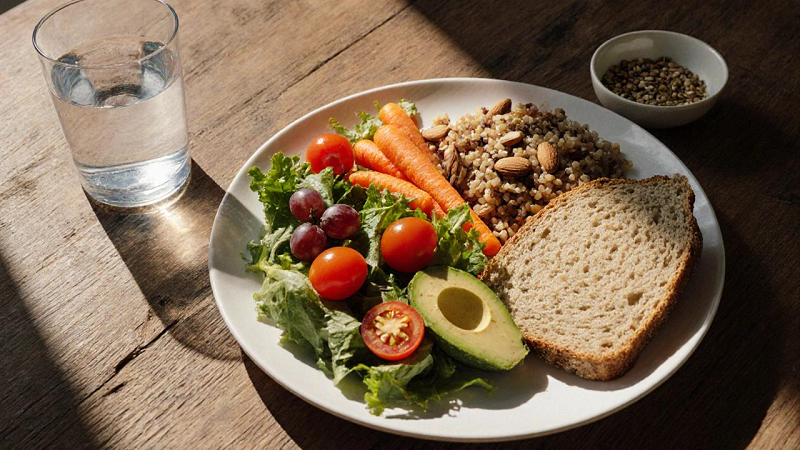
Plant-based eating is not going away.
But the trend is becoming more flexible.
Instead of completely removing meat and animal products, many people are simply adding more plant foods to their meals.
This approach is often called plant-forward eating.
For example, you might eat:
- Beans instead of meat a few times each week
- More vegetables with dinner
- Oatmeal instead of a meat-heavy breakfast
- Lentil soup for lunch
- Nuts and seeds as snacks
- Tofu or tempeh in stir-fries
This approach can be easier to follow than a strict vegan or vegetarian plan.
The WHO notes that diets with more plant-based protein may offer health benefits for many adults, especially when plant proteins replace red meat.
The key is variety.
A plant-forward diet should still provide enough protein, vitamins, minerals, and other nutrients.
7. Gut Health Diets Become More Practical
Gut health has been a popular topic for years.
In 2026, the focus is shifting from quick fixes to everyday food choices.
You will likely see more interest in foods that support a healthy gut, including fiber-rich plants and fermented foods.
Examples include:
- Yogurt with live cultures
- Kefir
- Kimchi
- Sauerkraut
- Beans
- Oats
- Bananas
- Berries
- Vegetables
- Whole grains
The important point is that you do not need an expensive “gut cleanse.”
Your digestive system does not need extreme detox diets to work properly.
A varied diet with enough fiber and fluids is a much more useful foundation.
Be careful with products that promise to “reset” your gut in a few days. Strong health claims are not always backed by strong evidence.
8. Mediterranean-Style Eating Keeps Its Place
Some diet trends come and go.
The Mediterranean-style diet continues to attract attention because it is less about strict rules and more about healthy eating patterns.
It commonly includes:
- Vegetables
- Fruits
- Beans
- Whole grains
- Nuts
- Seeds
- Fish
- Olive oil
- Moderate amounts of dairy and poultry
It also limits foods high in added sugars and unhealthy fats.
This makes the Mediterranean pattern very different from many short-term diet challenges.
Instead of asking, “What foods can I never eat again?” it asks, “How can I build better meals most of the time?”
That mindset may be one reason this eating pattern remains relevant.
9. Flexible Dieting Beats Extreme Rules
Another important 2026 trend is flexibility.
People are becoming more interested in eating patterns they can maintain for months and years.
This is good news.
A diet does not need to be perfect to work.
You can enjoy a birthday meal, restaurant dinner, or favorite dessert and still eat well.
Flexible eating can help remove the “all or nothing” mindset.
Instead of:
“I ate something unhealthy, so my diet is ruined.”
Try:
“That was one meal. I can make a balanced choice at my next meal.”
This simple change can make healthy eating feel less stressful.
10. Sustainable Eating and Local Foods
Food choices are also being connected to sustainability.
More people are asking where food comes from, how it is produced, and how much food gets wasted.
A sustainable diet can include more plant foods, seasonal produce, local foods, and better use of leftovers.
But sustainability does not have to mean expensive specialty products.
Simple steps can help:
- Plan meals before shopping
- Use leftovers
- Buy seasonal produce
- Store food correctly
- Choose more plant foods
- Avoid buying more food than you need
A healthy diet should also fit your budget and culture.
There is no need to copy someone else’s diet exactly.
Diet Trends to Be Careful With in 2026
Not every viral diet trend deserves your attention.
Social media can make a diet look popular before there is enough evidence to support it.
Be careful with plans that promise:
- Very fast weight loss
- “Detox” or “cleanse” effects
- Fat burning without lifestyle changes
- A cure for disease
- Unlimited food with no consequences
- Extreme calorie restriction
- Large amounts of one nutrient
- Expensive supplements as a replacement for real food
For example, “proteinmaxxing” has gained attention online, but experts warn that there is a limit to how much extra protein provides additional benefits.
A good rule is simple:
If a diet sounds too good to be true, check the evidence before trying it.
How to Choose the Right Diet Trend for You
You do not need to follow every new diet trend in 2026.
Instead, ask a few simple questions.
1. Can I Follow It Long Term?
If a diet is too hard to follow, it may not be a good choice.
2. Does It Include Real Food?
Look for meals built around vegetables, fruits, whole grains, protein sources, and healthy fats.
3. Does It Give Me Enough Nutrients?
Avoid diets that remove large groups of foods without a clear reason.
4. Does It Fit My Lifestyle?
Your diet should work with your schedule, budget, family, culture, and food preferences.
5. Is the Advice Backed by Evidence?
Look beyond social media posts.
The WHO recommends a varied diet built around minimally processed and unprocessed foods.
You can also use trusted sources such as the World Health Organization and the U.S. Office of Disease Prevention and Health Promotion when checking nutrition claims.
A Simple 2026 Healthy Eating Formula
You do not need a complicated meal plan.
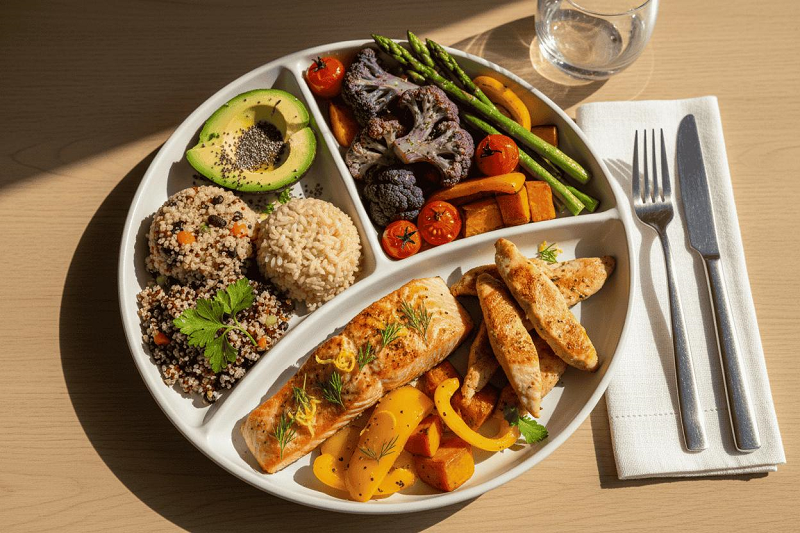
Start with a simple plate.
Try making about half your plate vegetables and fruit. Add a source of protein, then include a whole-grain or other high-fiber carbohydrate and a small amount of healthy fat.
For example:
Breakfast: Greek yogurt, oats, berries, and nuts.
Lunch: Chicken or beans, brown rice, vegetables, and avocado.
Snack: Apple with peanut butter.
Dinner: Fish or tofu, potatoes or whole grains, and plenty of vegetables.
These meals are not based on a trendy diet.
They are based on simple nutrition principles.
That may be the biggest lesson from the new diet trends of 2026.
The Bigger Trend: Eating Better, Not Eating Less
Many diet trends focus on weight loss.
But healthy eating is about more than the number on a scale.
Food provides energy. It supports muscles, bones, the immune system, digestion, and many other body functions.
The WHO says healthy diets help protect against several forms of malnutrition and chronic diseases. It also stresses variety, balance, moderation, and adequate nutrition.
That is why the strongest diet trends of 2026 are not necessarily the most extreme ones.
The better trends are the ones that encourage people to:
- Eat more whole foods
- Get enough protein
- Eat more fiber
- Add more plants
- Reduce highly processed foods
- Drink enough water
- Build sustainable habits
- Enjoy food without extreme restrictions
These habits may not go viral overnight.
But they can make a real difference over time.
Final Thoughts: Which 2026 Diet Trends Are Worth Trying?
The new diet trends in 2026 show a clear shift.
People are looking for nutrition plans that feel more personal, practical, and sustainable. High-protein eating, fiber-rich foods, plant-forward meals, gut-friendly foods, minimally processed diets, personalized nutrition, and GLP-1-focused nutrition are all likely to remain major topics.
Still, a trend is not automatically healthy.
The best diet is one that gives your body the nutrients it needs and fits your real life. It should be flexible enough to maintain and balanced enough to support your long-term health.
You do not need to chase every new food trend.
Start with the basics. Eat a wider variety of whole foods. Add more plants. Choose quality protein. Get enough fiber. Limit highly processed foods. And make changes you can actually maintain.
What 2026 diet trend are you most interested in trying—high-protein eating, more fiber, plant-forward meals, gut health, or personalized nutrition? Share your thoughts and tell us what you want to learn about next!