


Losing body fat can feel frustrating, especially when you are eating better and exercising but the scale is not moving as expected.
One part of your diet that may be worth looking at is added sugar.
Sugar is not always the enemy. Your body uses glucose for energy, and natural sugars are found in healthy foods such as fruit and milk. The bigger concern is eating too much added sugar from foods and drinks such as soda, candy, cakes, sweetened coffee, and processed snacks.
Too much added sugar can make it easier to eat more calories than your body needs. Sugary drinks can be especially tricky because they provide calories without making you feel as full as solid food. Research links higher intake of sugar-sweetened drinks with weight gain and shows that reducing them can support better weight control.
So, how does sugar affect your body and slow down fat loss?
Let’s take a closer look.
What Is Sugar and Why Does Your Body Need It?
Sugar is a type of carbohydrate. When you eat carbohydrates, your body breaks many of them down into glucose.
Glucose can be used by your cells for energy. Your brain and muscles also use glucose as fuel.
The important thing is where the sugar comes from.
Sugar naturally occurs in foods such as:
- Whole fruits
- Vegetables
- Milk
- Plain yogurt
- Some whole grains
These foods also provide other nutrients. Fruits, for example, contain fiber, vitamins, minerals, and other plant compounds.
Added sugar is different.
Added sugars are put into foods or drinks during processing or preparation. They can include table sugar, syrups, honey, and other sweeteners. The CDC notes that added sugar is different from naturally occurring sugar in foods such as fruit, vegetables, and milk.
Common sources of added sugar include:
- Soft drinks
- Sweetened coffee and tea
- Energy drinks
- Cakes and cookies
- Candy
- Ice cream
- Sweetened breakfast cereals
- Flavored yogurt
- Sweet sauces
- Pastries
- Sweetened packaged foods
The problem is not enjoying a sweet food once in a while. The problem is when added sugar becomes a large part of your daily diet.
How Sugar Affects Your Body
Eating sugar causes your blood glucose level to rise. Your body then releases insulin, a hormone that helps move glucose from your blood into your cells.
This is a normal process.
However, eating large amounts of sugary foods and drinks often can make it easier to consume too many calories. Over time, excess calorie intake can lead to weight gain.
Added sugar can also make some foods very easy to overeat because they are highly palatable.
A sugary snack may taste good, but it may not keep you satisfied for long.
This can create a cycle:
Sugar → quick energy → hunger or cravings → more snacking → extra calories.
Not everyone responds to sugar in exactly the same way. But for many people, cutting back on added sugar is a simple way to improve the overall quality of their diet.
Sugar and Fat Loss: What’s the Connection?
One of the biggest myths about weight loss is that sugar automatically turns into body fat.
The real picture is more complex.
Your body weight is influenced by many factors, including calorie intake, physical activity, sleep, genetics, hormones, and overall diet quality.
However, foods high in added sugar can make fat loss harder because they often provide a lot of calories without providing much protein, fiber, vitamins, or minerals.
Harvard’s Nutrition Source notes that calories still matter for weight control, while food quality also plays an important role. Higher-quality foods tend to include vegetables, fruits, whole grains, nuts, and healthy protein sources, while sugary drinks and highly processed foods are lower-quality choices.
Sugar Can Add Extra Calories
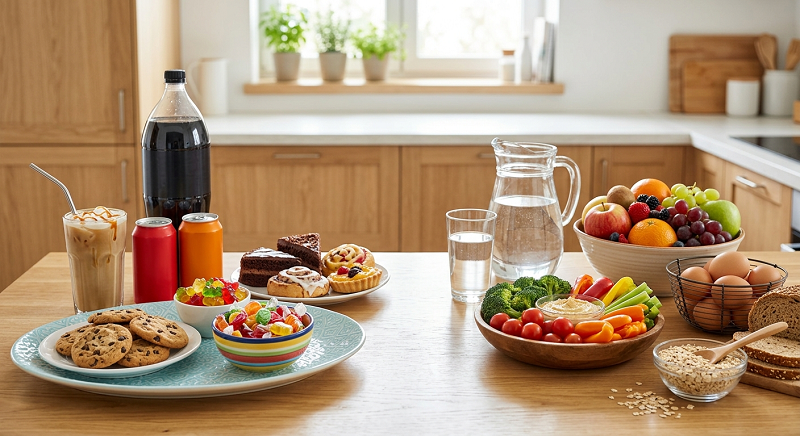
Consider a sugary drink.
A regular soft drink can provide around 150 calories or more, depending on the size. Yet drinking it may not make you feel as full as eating 150 calories of solid food.
If you drink one every day without reducing calories elsewhere, those extra calories can add up.
This is one reason sugary drinks can be a major obstacle for people trying to lose body fat.
Sugar Can Make It Easier to Overeat
Many foods high in added sugar are also easy to eat quickly.
Think about cookies, donuts, candy, ice cream, and sweet baked goods.
You may eat several servings before you feel satisfied.
These foods can provide plenty of calories in a small amount of food. That makes it easier to go over your daily calorie needs.
Sugar May Increase Cravings
Sweet foods can be highly rewarding, which may make you want more.
This does not mean sugar is addictive in exactly the same way as drugs. But highly sweet foods can encourage repeated eating, especially when they are easy to access.
If you regularly eat sugary snacks, you may find yourself reaching for something sweet even when you are not truly hungry.
Breaking that habit can help make fat loss easier.
Sugary Drinks Are One of the Biggest Problems

If you want to reduce sugar and support fat loss, start with your drinks.
Reducing added sugar can be a helpful step, but long-term results also depend on building healthy habits you can maintain. Learn more about how to lose weight sustainably without relying on extreme diets.
This can be one of the easiest changes to make.
Sugary drinks include:
- Soda
- Sweetened iced tea
- Sweetened coffee
- Energy drinks
- Sports drinks
- Fruit drinks
- Sweetened milk drinks
- Some flavored waters
Harvard’s Nutrition Source identifies sugar-sweetened beverages as a major source of added sugar and calories. Liquid calories may also be less filling than calories from solid foods.
A 12-ounce sugary soft drink can contain roughly 150 calories and about 10 teaspoons of sugar, depending on the product.
The calories can be easy to overlook because you are drinking them.
Better Drink Choices
Try replacing sugary drinks with:
- Water
- Sparkling water
- Unsweetened tea
- Unsweetened coffee
- Water with lemon or lime
- Other low- or no-added-sugar drinks
You do not need to make every change overnight.
Start with one drink.
If you normally drink two sugary beverages each day, try replacing one with water. Once that feels normal, reduce the other.
Small changes can become lasting habits.
Added Sugar vs. Natural Sugar
This is an important distinction.
You do not need to fear the sugar naturally found in whole foods.
An apple contains natural sugar, but it also contains fiber, water, vitamins, minerals, and other beneficial compounds.
A glass of soda contains added sugar but provides little nutritional value.
The food source matters.
Harvard explains that foods such as whole fruit contain naturally occurring sugars along with fiber and other nutrients, while added sugars are commonly found in processed foods and drinks.
Should You Stop Eating Fruit?
No.
For most people, whole fruit can be part of a healthy diet.
Instead of avoiding fruit because it contains sugar, focus on reducing foods with large amounts of added sugar.
Choose:
- Whole apples instead of apple-flavored candy
- Whole oranges instead of sugary fruit drinks
- Berries instead of sugary desserts
- Plain yogurt with fruit instead of heavily sweetened yogurt
The goal is not to remove all sugar.
The goal is to make better food choices most of the time.
How Too Much Sugar Can Affect Hunger
One reason sugar may slow your fat-loss progress is that sugary foods and drinks may not provide much lasting fullness.
Protein and fiber can help you feel satisfied after eating.
Added sugar, especially in drinks, can provide calories without much protein or fiber.
This can leave you hungry again sooner.
For example, drinking a sugary coffee in the morning may provide calories but very little protein or fiber.
Compare that with a breakfast containing:
- Eggs
- Vegetables
- Whole-grain toast
- A piece of fruit
The second meal provides a broader mix of nutrients and may keep you satisfied for longer.
Sugar and Insulin: What You Need to Know
Insulin often gets blamed for making people gain fat.
The truth is more complicated.
Insulin is a normal and important hormone. It helps your body control blood glucose and allows cells to use glucose for energy.
Eating carbohydrates can raise blood glucose and insulin. That is a normal response.
The bigger issue for fat loss is your overall eating pattern and energy balance.
If you regularly consume more calories than your body uses, your body can store the extra energy.
Foods and drinks high in added sugar can make this easier because they can be calorie-dense and less filling.
So rather than trying to “stop insulin” or eliminate all carbohydrates, focus on a balanced diet that includes protein, vegetables, whole foods, and reasonable portions.
Hidden Sources of Added Sugar
You may be eating more added sugar than you realize.
Sugar is not found only in candy and soda.
It can also appear in foods that seem healthy.
Watch for added sugar in:
- Granola
- Breakfast cereal
- Flavored oatmeal
- Protein bars
- Flavored yogurt
- Pasta sauce
- Ketchup
- Salad dressing
- Bread
- Crackers
- Instant coffee mixes
- Bottled smoothies
- Sauces and marinades
Food labels can help.
Look for the Added Sugars line on the Nutrition Facts label when it is available.
Also check the ingredient list.
Sugar can appear under different names, including:
- Sucrose
- Glucose
- Fructose
- Dextrose
- Corn syrup
- High-fructose corn syrup
- Cane sugar
- Brown sugar
- Honey
- Molasses
- Syrups
Harvard recommends checking both the Nutrition Facts panel and ingredient list to identify added sugars in packaged foods.
How Much Added Sugar Should You Eat?
There is no need to aim for zero added sugar unless your doctor or dietitian has given you a specific reason to do so.
The World Health Organization recommends keeping free sugars below 10% of total daily energy intake and says reducing intake to 5% or less may provide additional health benefits. For a 2,000-calorie diet, 10% equals about 50 grams per day.
The key is to stay aware of your intake.
For someone trying to lose body fat, reducing added sugar can be useful because it may free up calories for more filling and nutrient-rich foods.
10 Simple Ways to Reduce Sugar and Support Fat Loss
You do not need a complicated diet plan.
Try these simple steps.
1. Drink More Water
Make water your main drink.
Keep a bottle nearby during the day so it is easier to choose water when you feel thirsty.
2. Cut Back on Sugary Drinks
This is one of the most effective places to start.
Replace soda, sweet tea, or sugary coffee with an unsweetened option.
3. Eat Whole Fruit
Choose whole fruit instead of fruit-flavored snacks or sugary fruit drinks.
You get sweetness along with fiber and other nutrients.
4. Choose Plain Yogurt
Plain yogurt allows you to control how much sweetness you add.
Try adding berries, banana, cinnamon, or a small amount of nuts.
5. Read Food Labels
Check both total sugar and added sugar.
Also look at the serving size.
A package may contain more than one serving.
6. Eat More Protein
Include foods such as:
- Eggs
- Fish
- Chicken
- Beans
- Lentils
- Tofu
- Greek yogurt
- Lean meat
Protein can help make meals more satisfying.
7. Eat More Fiber
Good choices include:
- Vegetables
- Beans
- Lentils
- Whole grains
- Nuts
- Seeds
- Whole fruit
8. Do Not Keep Too Many Sugary Snacks at Home
Your environment matters.
If candy, cookies, and other sweets are always within reach, they are easier to eat.
Make healthier options easier to grab.
9. Reduce Sugar Slowly
You do not have to quit sugar overnight.
Try using less sugar in your coffee.
Then reduce it again after a week or two.
Your taste preferences can change over time.
10. Focus on Progress, Not Perfection
Eating a slice of cake does not ruin your diet.
One meal does not determine your results.
Your habits over weeks and months matter much more.
Can You Still Eat Sugar and Lose Fat?
Yes.
Fat loss does not require you to completely eliminate sugar.
You can enjoy dessert and still make progress.
The key is moderation and your overall calorie intake.
If most of your diet consists of nutritious foods and you occasionally enjoy a sweet treat, there is no need to feel guilty.
A sustainable diet is one you can follow for a long time.
That is much more useful than following an extremely strict diet for two weeks and then giving up.
What to Eat Instead of Sugary Foods
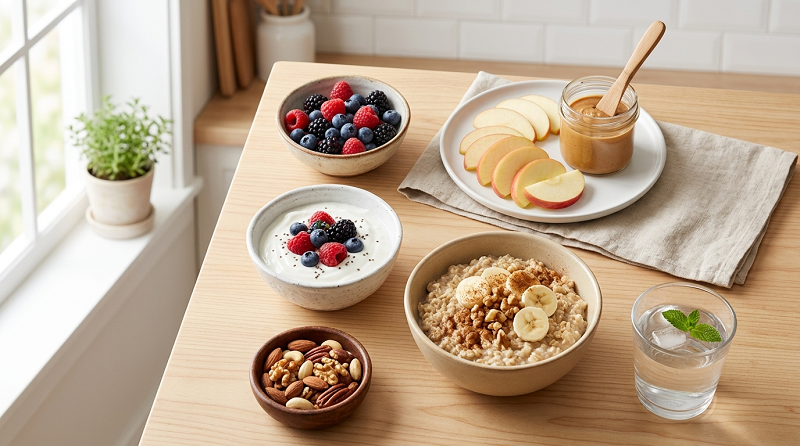
When you want something sweet, try foods that provide more nutrition.
Some options include:
- Fresh berries
- Apple with peanut butter
- Banana with Greek yogurt
- Plain yogurt with fruit
- Chia pudding with little or no added sugar
- Oatmeal with cinnamon and berries
- Dark chocolate in a small portion
- Frozen fruit
These choices can help satisfy your sweet tooth while giving you more nutrients than many highly processed sweets.
The Bigger Picture: Sugar Is Only One Piece of Fat Loss
It is important not to blame sugar for every fat-loss problem.
Your results depend on many factors.
These include:
- Total calorie intake
- Protein intake
- Food quality
- Physical activity
- Strength training
- Sleep
- Stress
- Portion sizes
- Daily habits
- Genetics
- Medical conditions
If you reduce sugar but continue to eat more calories than your body needs, fat loss may still be difficult.
Likewise, you do not need to create a perfect diet to see results.
Focus on the habits that make the biggest difference.
For many people, reducing sugary drinks, eating more whole foods, increasing protein and fiber, and controlling portions are excellent places to start.
The Bottom Line on Sugar and Fat Loss
Sugar itself is not something you need to fear.
Your body uses glucose for energy, and natural sugars are found in many nutritious foods.
The bigger concern is excess added sugar, especially from sugary drinks, desserts, and highly processed foods.
Too much added sugar can make fat loss harder by adding extra calories and making it easier to overeat. Sugary drinks are especially important because liquid calories may not provide the same level of fullness as solid food. Research consistently links higher consumption of sugar-sweetened drinks with weight gain and shows that reducing them can support better weight control.
The good news is that you do not need to give up every food you love.
Start small.
Drink more water. Cut back on sugary drinks. Read food labels. Eat more whole foods. Choose fruit instead of sugary snacks. Build meals around protein, vegetables, whole grains, and healthy fats.
Most importantly, create habits you can maintain.
Ready to Take Control of Your Sugar Intake?
Your next step does not have to be extreme.
Start today by choosing one sugary food or drink you have often and replace it with a healthier option.
Then keep going one small change at a time.
If you are working toward fat loss, remember that consistency beats perfection. A healthier relationship with sugar can help you build better eating habits, manage your calorie intake, and make your long-term goals easier to reach.
What sugary food or drink is the hardest for you to cut back on? Share your answer in the comments—your experience may help someone else who is working toward the same goal.